

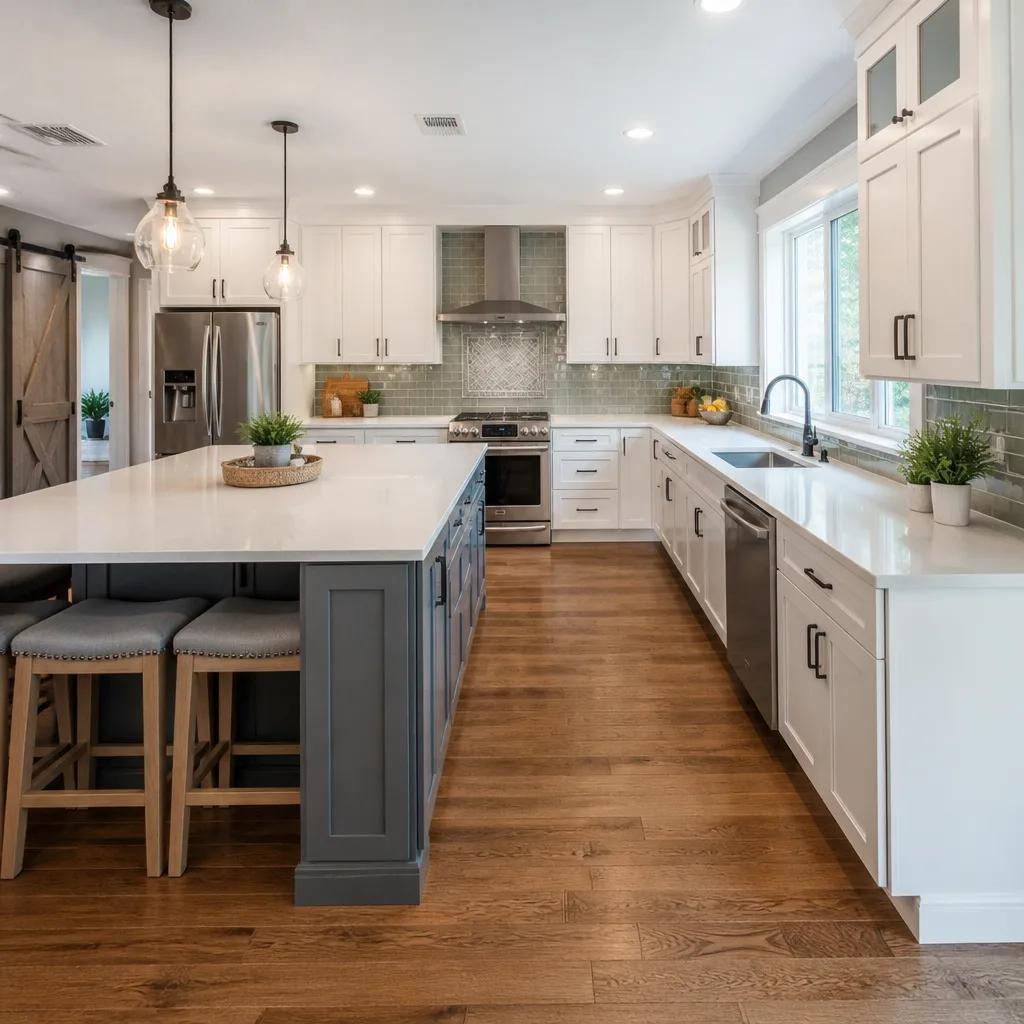
 Kitchen remodeling
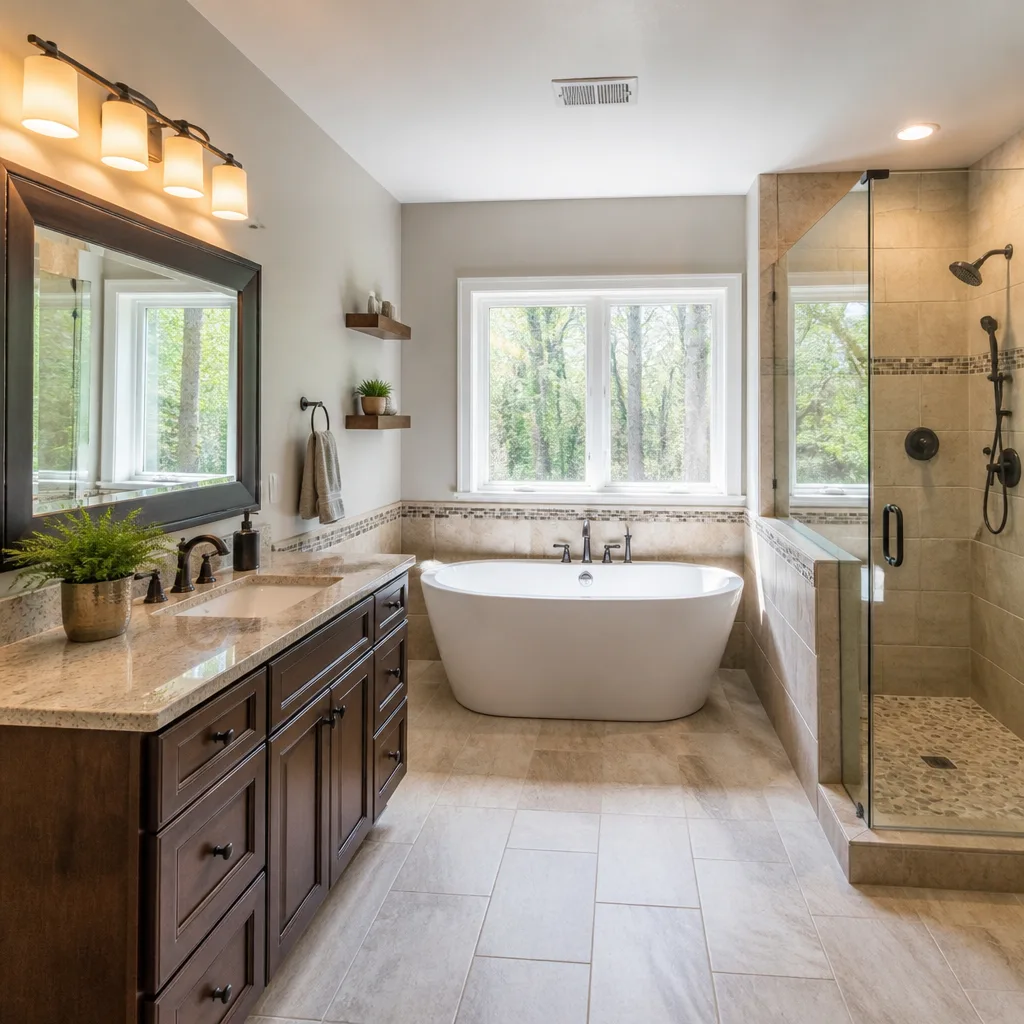 Bathroom remodeling
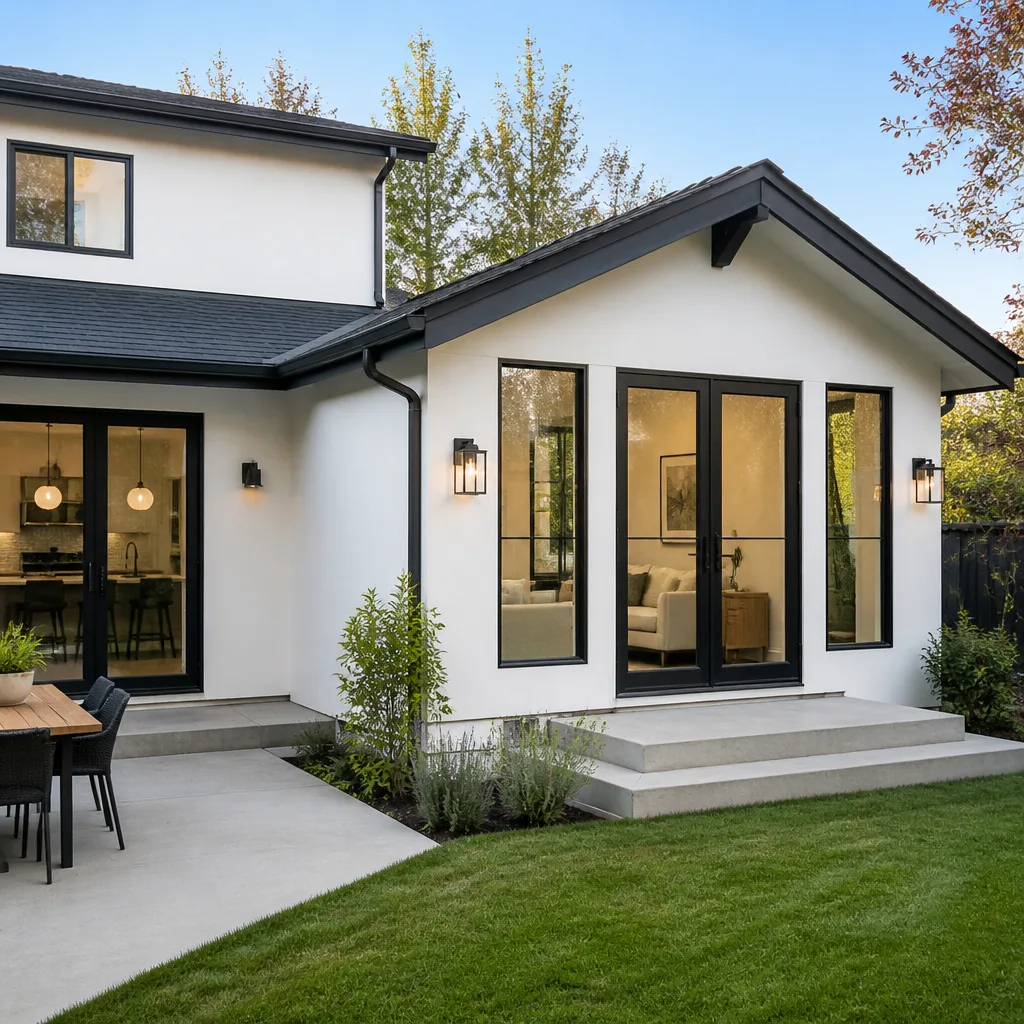 Home additions & ADU
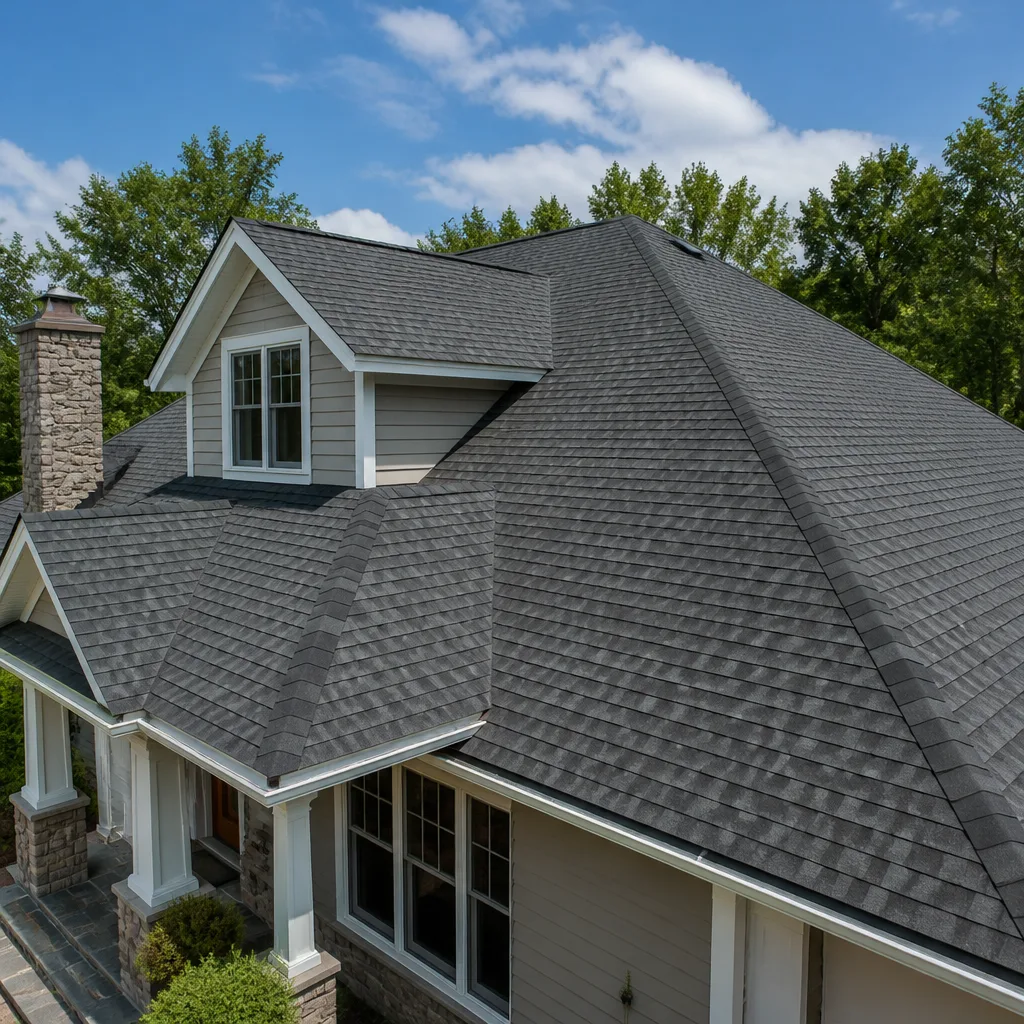 Roofing
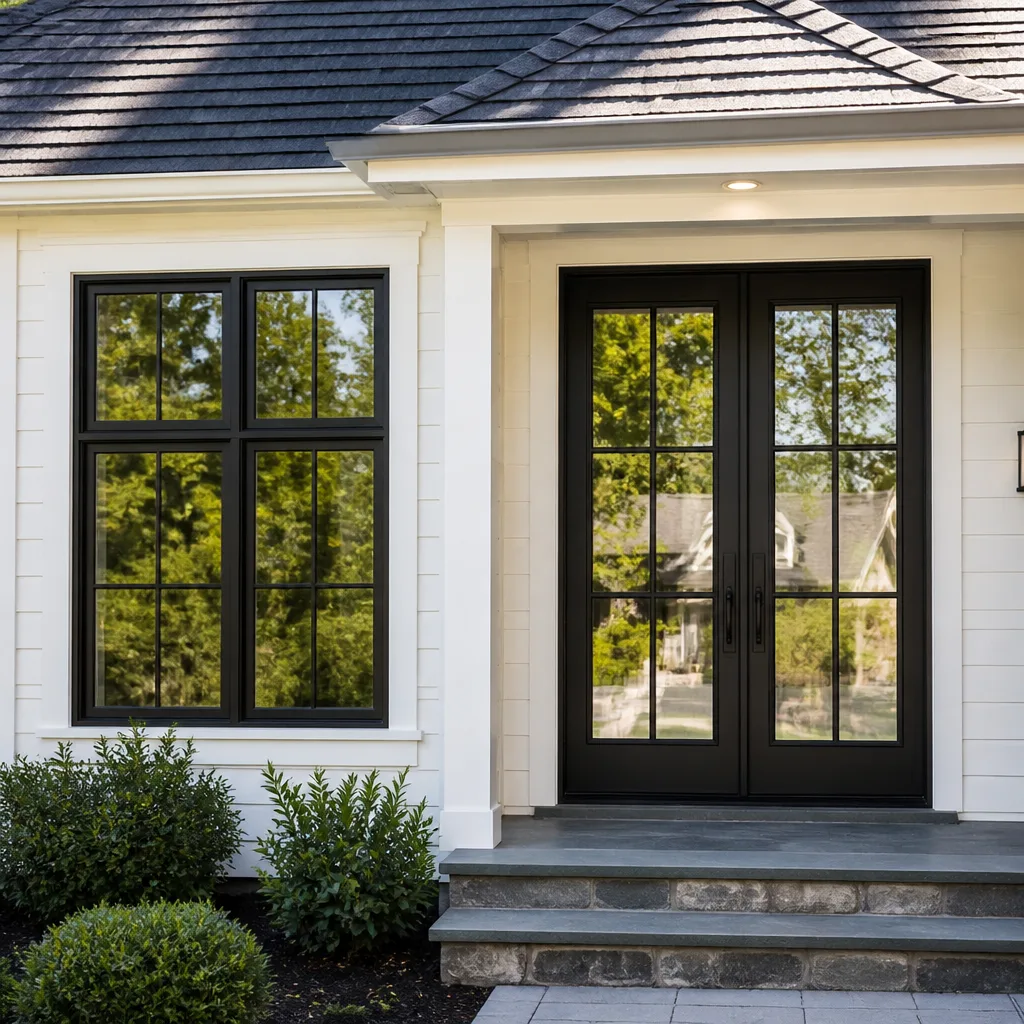 Windows & doors
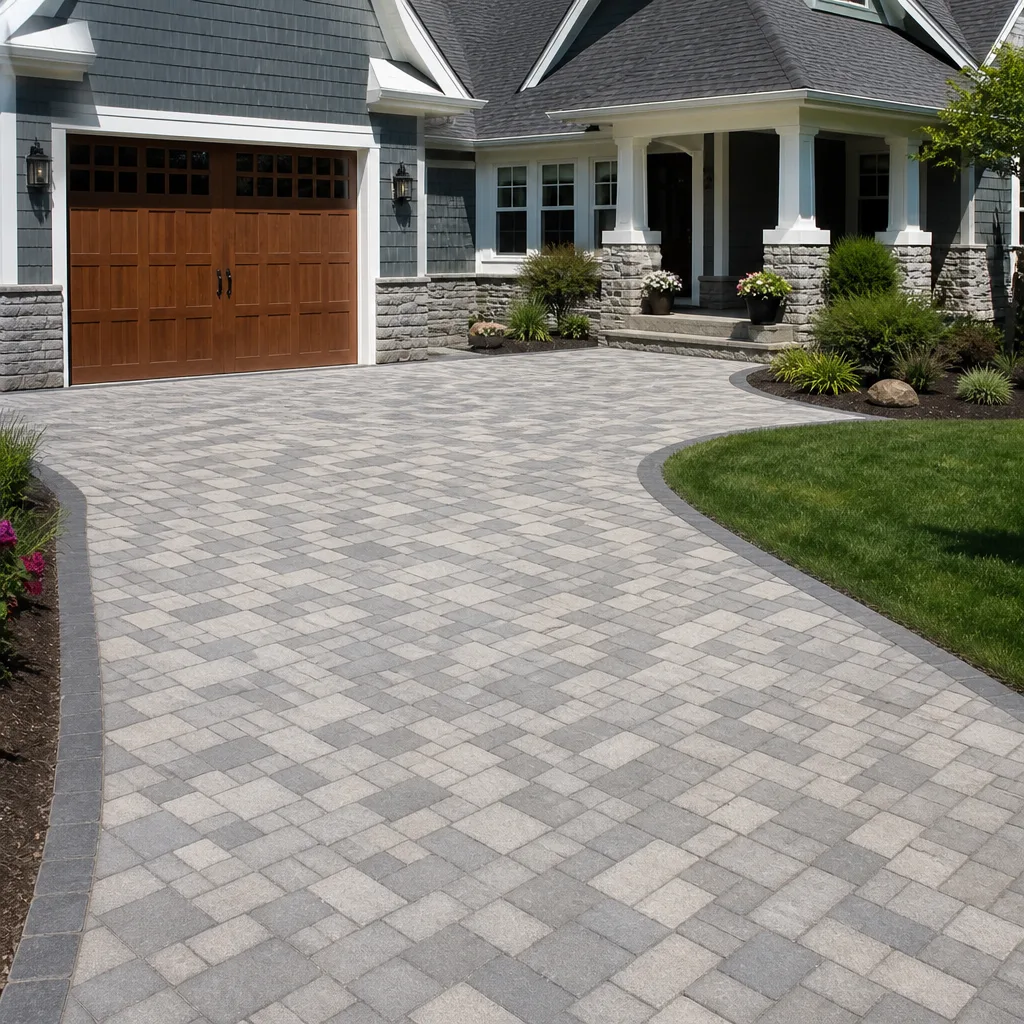 Driveway & pavers
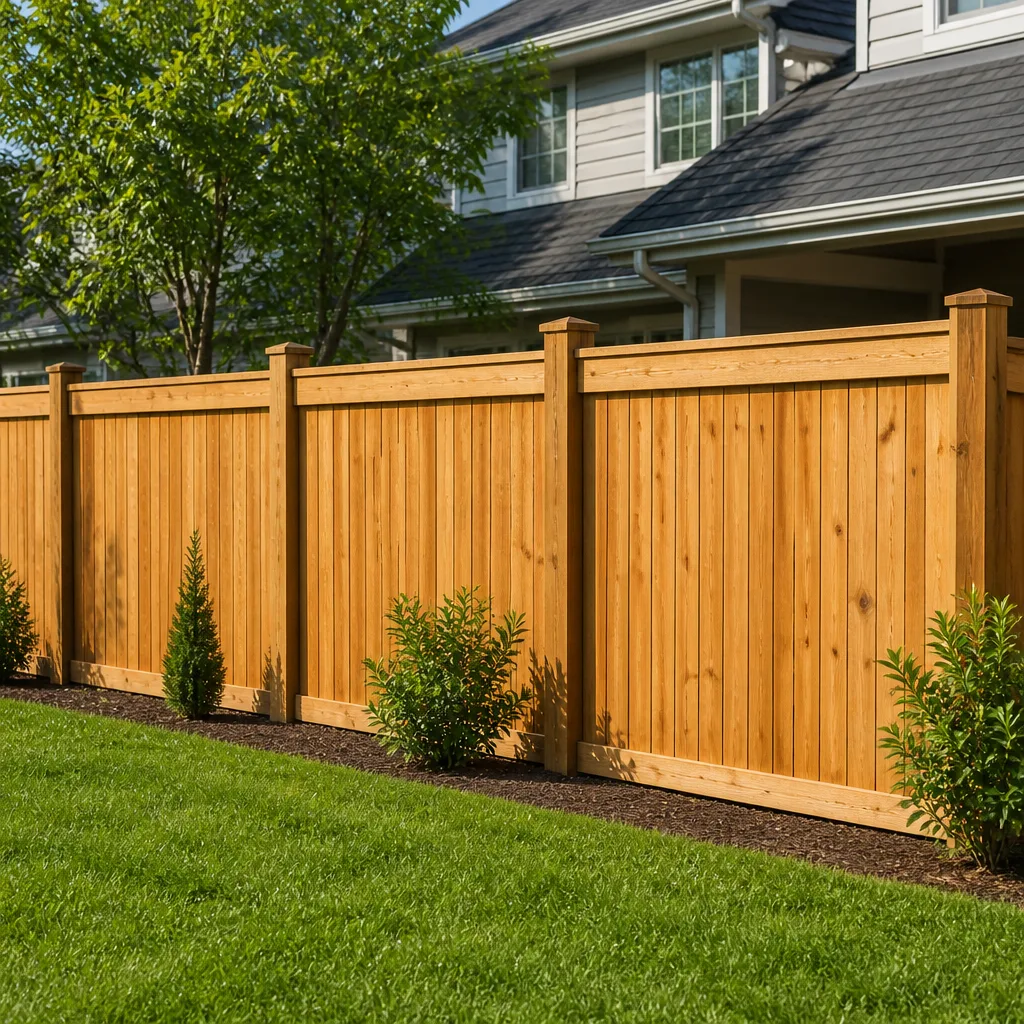 Fence
Free written scope consultation - allowances, timeline, and change-order rules on paper before a single trade is scheduled
Why Richmond Homeowners Choose Unilock Construction
We provide independent Unilock construction service in Richmond, covering installation, repair and full replacement of Unilock paver driveways, patios and retaining wall systems. What makes our work different is that we treat what happens under the pavers as the job: base depth, compaction, drainage, edge restraint and geogrid. That’s where Unilock installations fail, and it’s where we put the attention.
Richmond is a hard place to build a hardscape. The fog-cooled coastal climate keeps moisture in the ground through the wet season, and a lot of the flatland near the old shipyards sits on fill, so drainage and base stability decide whether a paver system holds its line for years or starts lipping by spring. We’ve worked out the details of doing that correctly on Richmond soils.
One point of clarity: we are an independent Unilock service provider. We are not affiliated with, authorized by, or sponsored by Unilock, and we don’t claim to be. We install and repair their systems, we read and follow their installation specs, and that’s the whole relationship.
Call (877) 367-8617 to talk through your project. We answer 24/7. Fast dispatch from 7am to 7pm, Sunday through Friday.
Why Trust Construction Richmond for Your Unilock Construction?
Our technicians have up to 11 years of experience with Unilock pavers, wall units and their accessory systems, and that shows up mostly in the things a homeowner can’t see once the job is finished: how deep the aggregate base goes, how it’s compacted in lifts over clay subgrade, where the geogrid goes behind a wall course, how the edge restraint is pinned, and whether water runs away from the house or sits under the field.
We buy quality parts that fit the system, and for Unilock that means the manufacturer’s polymeric joint sand, edge restraint, geogrid and wall caps matched to the specific paver or wall unit. Generic substitutes are cheaper and they’re also the reason a lot of installations come apart. When you call us, the first question isn’t which sand is on sale, it’s which accessory is designed for the block you’ve chosen.
Warranty-safe practice matters too. We don’t say or do anything that puts a homeowner sideways with a manufacturer’s installation requirements: correct base preparation, correct restraint, correct joint sand, correct drainage detail. If your Unilock system carries a warranty, our work is done in the way that keeps it valid.
And we’re broader than hardscape. If your Unilock project sits inside a larger renovation, we handle the kitchen or bath remodel too, with brands like Cambria, Silestone, KraftMaid and Kohler. One contact, one schedule, one standard.
Styles & brands we work with
- Kitchen remodeling
- Bathroom remodeling
- Home additions & ADU
- Roofing
- Windows & doors
- Driveway & pavers
- Fence
Common Unilock Construction Problems We Fix in Richmond
These are the failures we see most often on Unilock paver driveways, patios and wall systems in Richmond. Every one of them is fixable, and every one of them started underneath the surface.
- Joint sand washing out or cracking. After a few wet seasons, Unilock polymeric joint sand can break down or wash into the base, especially on a driveway where water sheets toward a low corner or a downspout. The joints open up, weeds move in, and ants start tunneling the bedding course. Often the sand isn’t the problem; the water has nowhere else to go, so it drains through the joints and takes them with it.
- Edge restraint failure. The edge is the part of a paver installation that holds everything together under load. When the restraint is too shallow, not pinned into compacted base, or missing entirely on a border, the outer courses spread. On a driveway that shows up as joints opening across the field and blocks migrating outward.
- Wall lean, bulging or separation at corner courses. Unilock wall units like Beacon Hill need correct base, correct batter and geogrid behind the wall when the height calls for it. Without geogrid, retained soil pressure pushes the wall forward, and corner courses are usually the first place it opens up. A bulging wall is a structural warning, not a cosmetic one.
- Efflorescence that keeps returning. That white mineral bloom on concrete pavers and wall units is a moisture signature. You can scrub it clean, and it comes back, because water is still moving through the system and evaporating through the face of the block. On an installation with proper drainage it fades out and stays gone. Where it keeps coming back, the base isn’t draining.
- Uneven settling and lippage. When the compacted aggregate base is too thin, or the subgrade over expansive clay wasn’t stabilized before the base went down, units settle at different rates. You get rocking near the driveway apron or a step-up at the patio edge, and once a base is compromised, grinding the high spots fixes nothing.
On a lot of Richmond jobs there’s a sixth issue beneath the fifth. The flatlands near the old shipyards are former fill, and crews hit buried debris, old rail spurs and undocumented fill during excavation. That means the base design has to be driven by what’s actually under the surface, not by what the spot looked like before the first shovel went in.
Unilock Parts & Our Repair-vs-Replace Approach
We match Unilock accessories to the system they’re made for. Polymeric joint sand, edge restraint, geogrid and wall caps each have design requirements tied to a particular paver or wall unit, and a generic substitute often fails them. We don’t stock OEM or genuine Unilock parts, and we don’t claim to. We source quality components that fit the system and are made to meet its installation spec.
The repair-versus-replace call comes down to what’s underneath. If one or two Unilock units are cracked on a sound, well-draining base with intact restraint, we replace the units and re-sand the joints. That’s a small job. If units are rocking, lipping, or the edge is spreading, the base or restraint is compromised, and patching the surface just moves the failure a foot down the driveway. Same logic on a wall: a single chipped cap is a replacement; a bulging face means the geogrid and base behind it need to be rebuilt. We’ll tell you which one you have before anyone starts pulling pavers.
Call (877) 367-8617 for a free estimate and a straight answer on repair versus replace.
Our Unilock Service Process – Step by Step
- 1
Diagnosis. We walk the installation and find the source, not just the symptom. Where does water go when it rains? Is the edge restraint pinned into compacted base? Is there geogrid behind the wall? Is the subgrade clay expanding under the field? We pull a unit or two where it helps to see the base section, and we check elevation against the house and the surrounding grade.
- 2
Repair or install. For a repair we pull the affected units, re-establish a properly compacted aggregate base with drainage falling away from the house, reset the Unilock units on the correct bedding course, reinstall edge restraint and geogrid where the border or wall needs it. For a new driveway or patio we build the base in the same sequence from the ground up. On fill lots we plan for what excavation might turn up.
- 3
Joint and test. We finish with the manufacturer’s polymeric joint sand and check the field for lippage, the edge for movement, and the grade for drainage. Water should leave the surface and leave the subgrade.
- 4
Warranty and handoff. We confirm the work is done to the manufacturer’s installation requirements so your warranty stays valid, and we tell you what to watch for and how to maintain the system through the wet season.
See the difference
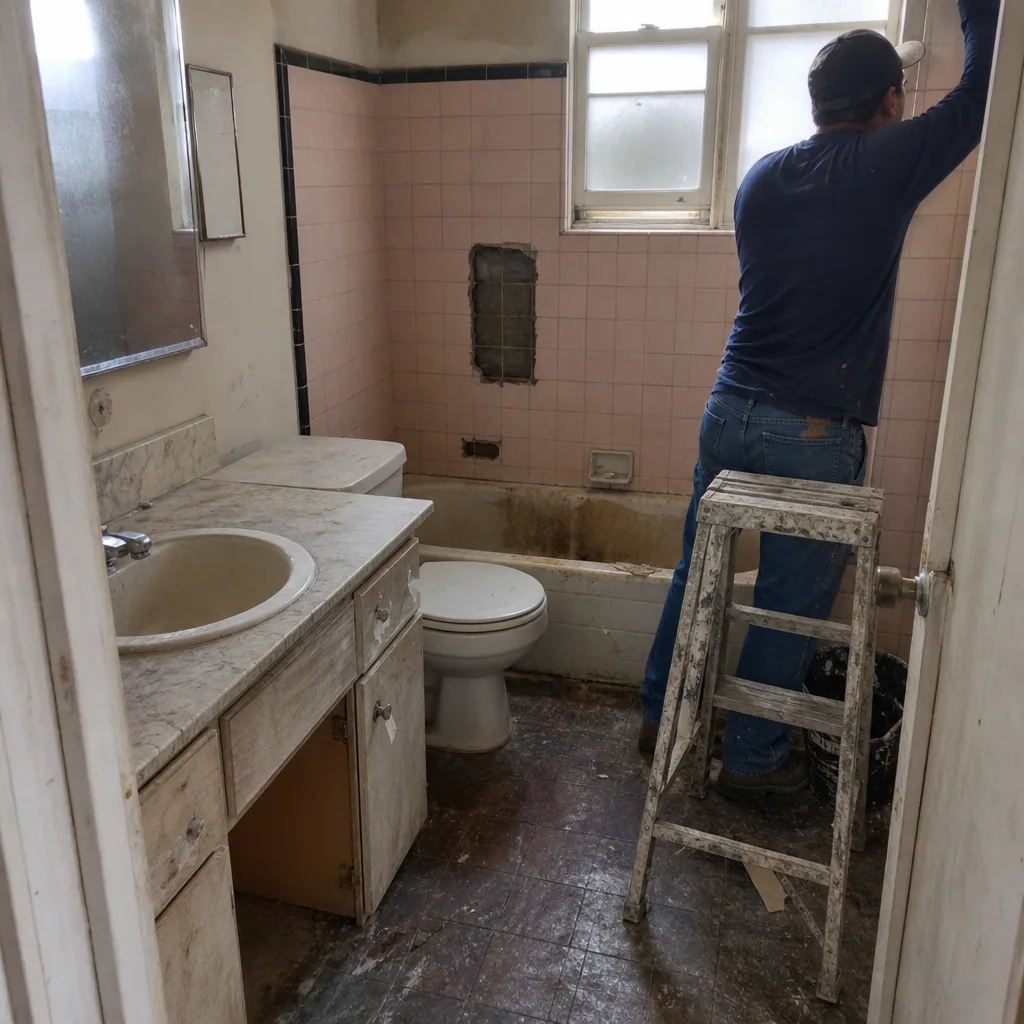 Before
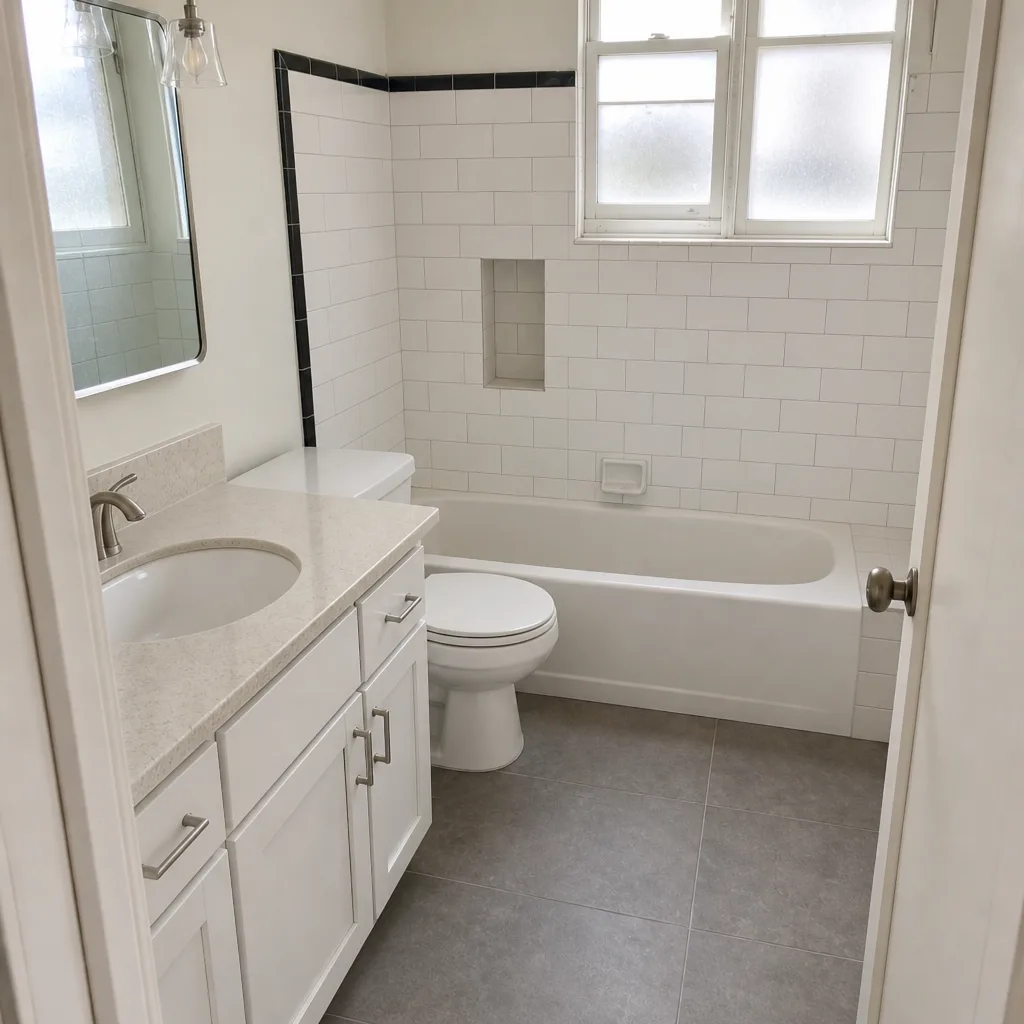 After
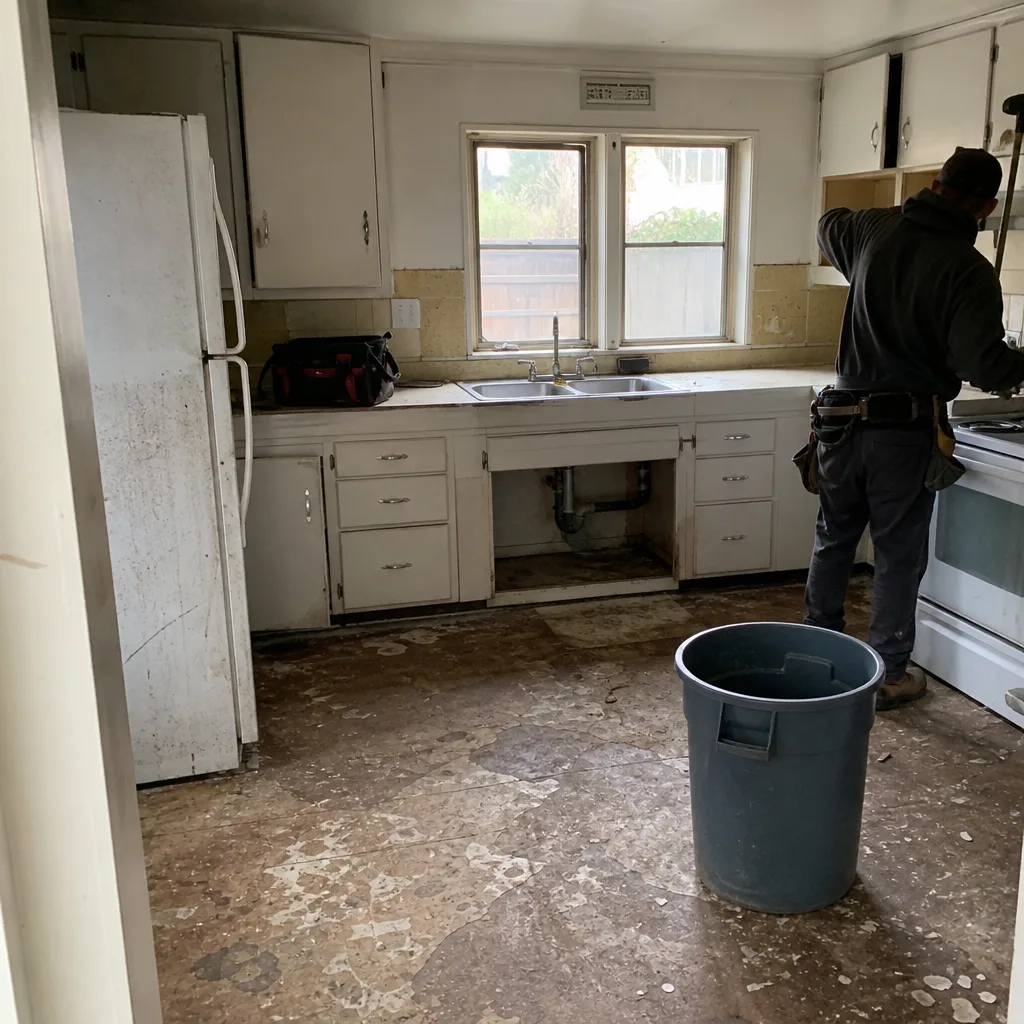 Before
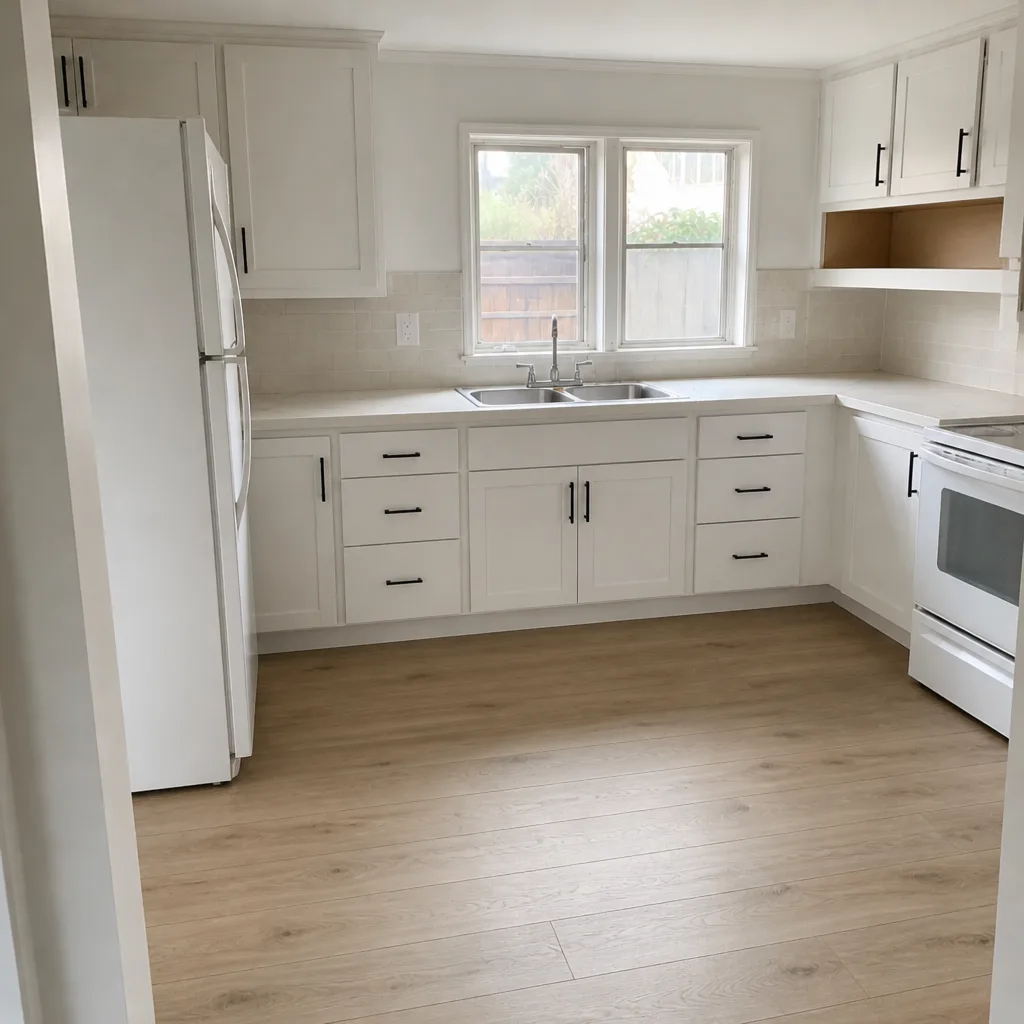 After
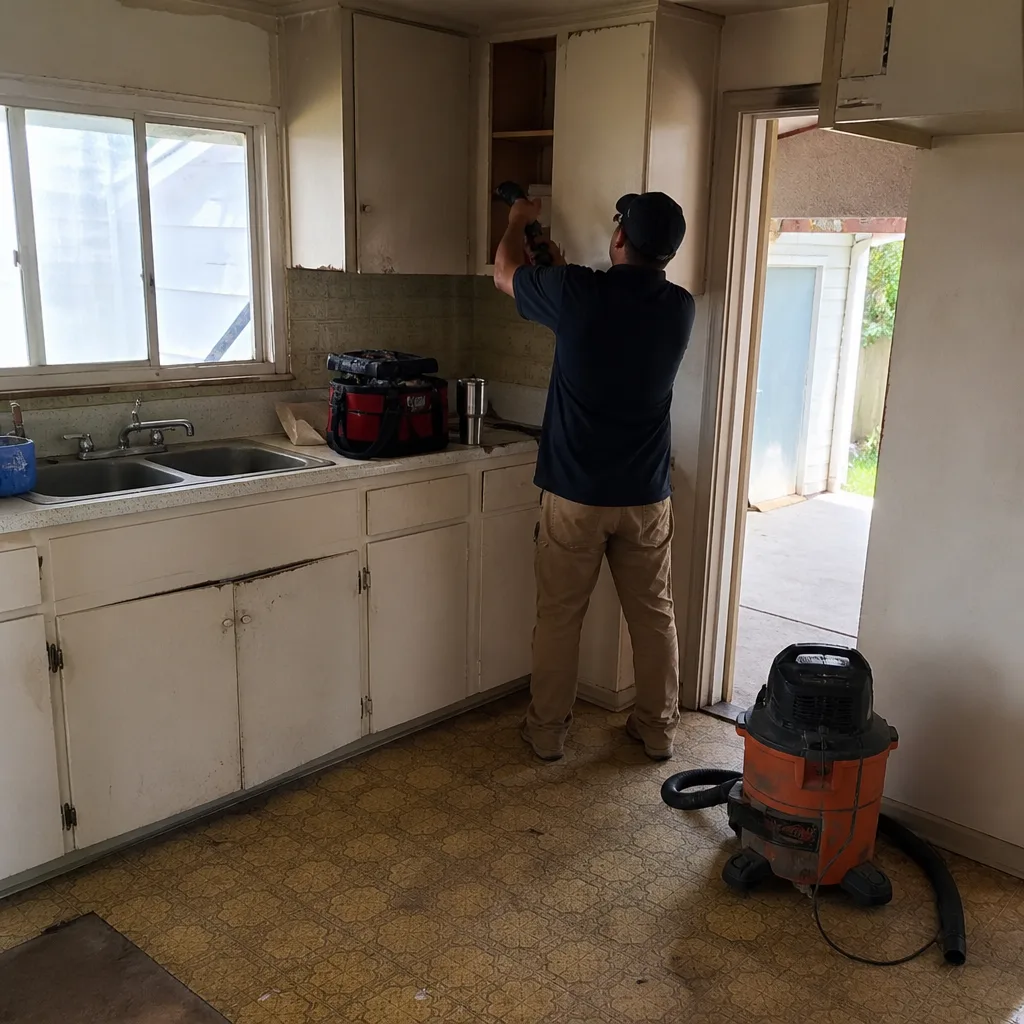 Before
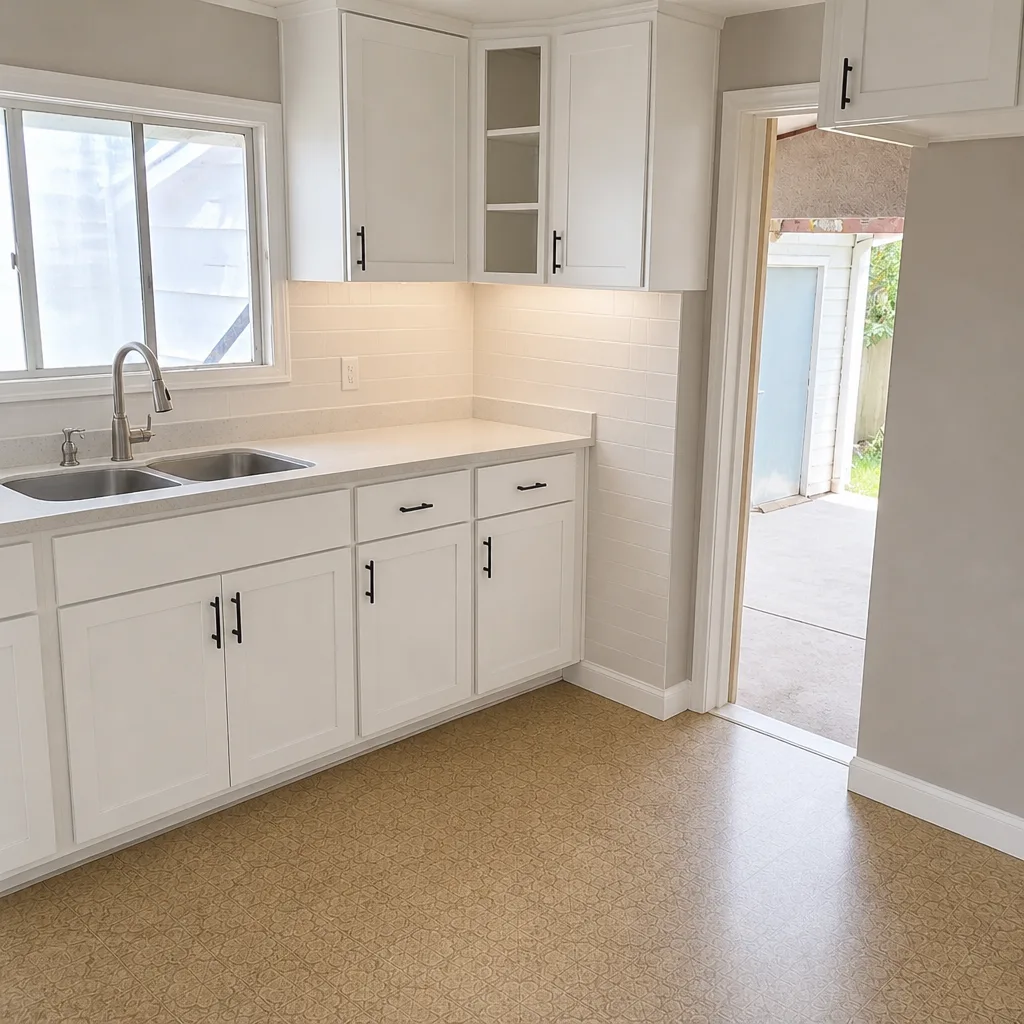 After
Unilock Products We Service & Install in Richmond
We work across the Unilock hardscape range: paver driveways and patios in the Brussels Block and Brussels Dimensional System, the Beacon Hill smooth and textured wall units, the Seneca retaining wall and U-Cara multi-face wall system, and the Cambridge Pavingstones ledgestone and roundtable formats in Unilock’s paver line. We install, repair and replace, and we handle the accessory side of the job as carefully as the visible one: polymeric joint sand, edge restraint, geogrid and wall caps. If you’re planning a new installation or dealing with a failure on an existing one, we’ll assess the base and restraint first and give you a written plan for either outcome.
We Also Service These Brands
Unilock is one part of the picture. We also work with KraftMaid cabinetry, Cambria, Silestone and Kohler for interior projects. That breadth matters when a driveway or patio is part of a larger renovation: you can sequence the exterior work and the interior work with one contractor instead of three, and the schedule actually holds together.
FAQs – Unilock Construction Service in Richmond
No. We are an independent Unilock service provider. We are not affiliated with, authorized by or sponsored by Unilock, and we don’t present ourselves that way. We install and repair Unilock products and we follow their published installation specifications, which is a different thing from manufacturer authorization.
Yes. We match the accessory to the system: polymeric joint sand, edge restraint, geogrid and wall caps made for the specific Unilock paver or wall unit. We don’t stock OEM or genuine Unilock parts and we don’t claim to; we source quality components that fit and meet the installation requirements.
It depends on what’s underneath. Replacing a few cracked units and re-sanding joints is often a short visit. Rebuilding a base under a paver driveway or patio, or rebuilding a failed wall, takes days. We give you a timeline with the written estimate so you know what you’re scheduling around.
Paver driveways and patios, retaining walls and wall systems, and the joint sand, edge restraint, geogrid and caps that go with them, including the Brussels Block and Brussels Dimensional System, Beacon Hill, Seneca and U-Cara wall units and Cambridge Pavingstones formats. Call (877) 367-8617 if you’re not sure which system you have.
Not when the work is done to Unilock’s installation requirements. We follow the manufacturer’s base preparation, restraint, joint sand and drainage specs, which is what protects a warranty. We’ll walk you through what that means for your specific installation before we start.
It’s often a sign of moisture trapped in the system rather than a defect in the block. Efflorescence that keeps returning usually means the base isn’t draining and water is still moving through the pavers. The fix is drainage and base correction, not repeated scrubbing. Call (877) 367-8617 for a look; estimates are free.
Find and correct where the water is going first, then re-sand with the manufacturer’s polymeric joint sand. Re-sanding without fixing the drainage just means it washes out again next wet season. That usually means correcting the grade, adding drainage away from the house, and checking the edge restraint. Call (877) 367-8617 to schedule an assessment.
Sometimes yes, sometimes no. A single failed cap or a chipped unit is a local repair. A wall that’s leaning, bulging or separating at the corner courses has failed behind the face, and the geogrid and base need to be rebuilt in that section; leaving it up risks a larger collapse. We’ll tell you which one you have after we see it. Call (877) 367-8617 for a free estimate.
Usually not immediately. Paver sealers are best applied after the installation has had a wet season to settle and after any efflorescence has cleared, and only on a system that’s already draining correctly. Sealing a paver system with moisture trapped underneath locks the problem in. A driveway sealing job typically runs $250 – $700, but the timing matters more than the price. Call (877) 367-8617 for advice on your specific installation.
Often yes, if the base and drainage are done right. A paver driveway handles minor ground movement over clay better than a poured slab, and individual units are replaceable when something fails. Concrete still has its place on stable, well-draining lots. Typical estimated ranges: paver driveway installation $7,000 – $18,000, concrete driveway installation $4,500 – $12,000, driveway replacement $5,000 – $14,000, and paver patio installation $3,500 – $11,000. The written estimate sets the final price. Call (877) 367-8617 for an exact quote.
Book Your Unilock Service in Richmond, CA
If you’re dealing with washed-out joints, a leaning wall, or efflorescence that won’t stay gone, or you’re planning a new Unilock paver driveway or patio in Richmond, call us. We’ll assess the base and restraint, give you a written estimate, and tell you honestly whether it’s a repair or a rebuild. Call (877) 367-8617 to schedule your free estimate. We answer 24/7. Fast dispatch from 7am to 7pm, Sunday through Friday.
Written by the team at Construction Richmond.