
Last updated November 17, 2026
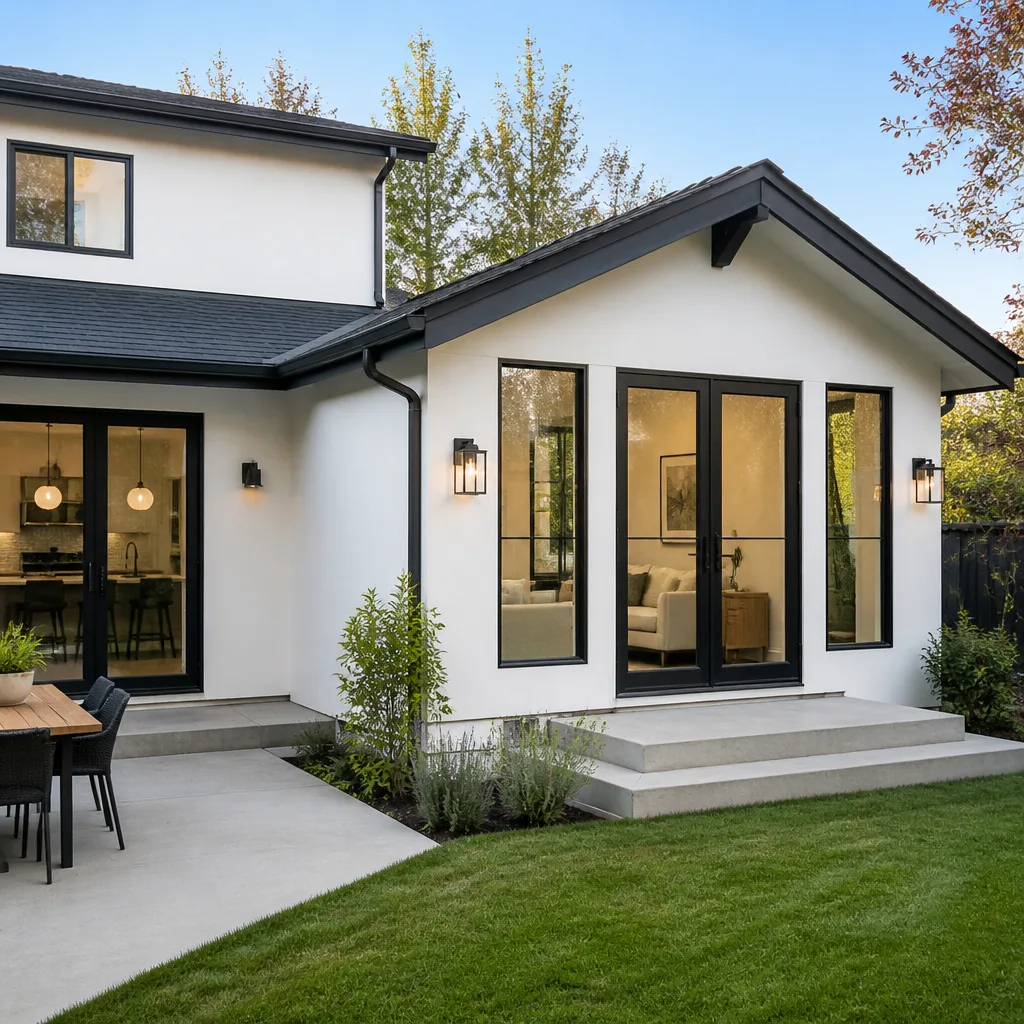 Home additions & ADU
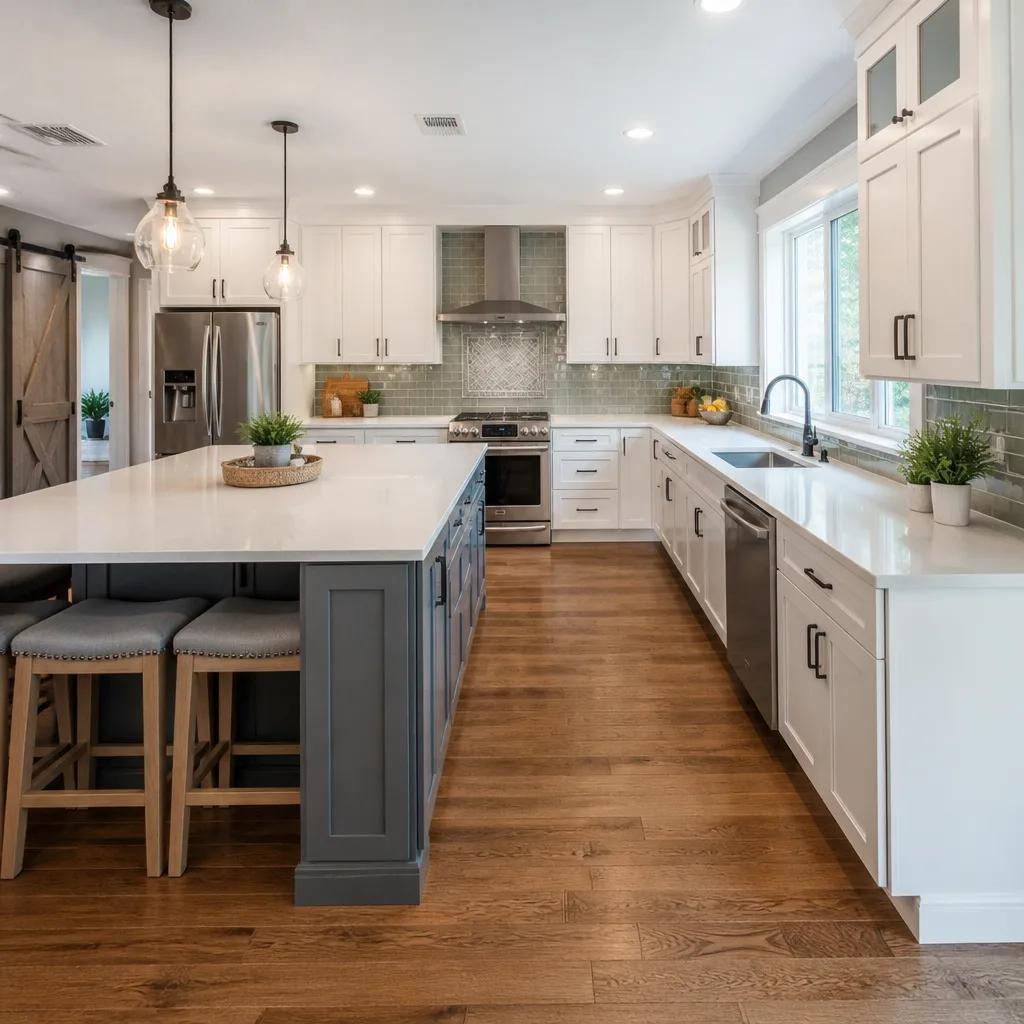 Kitchen remodeling
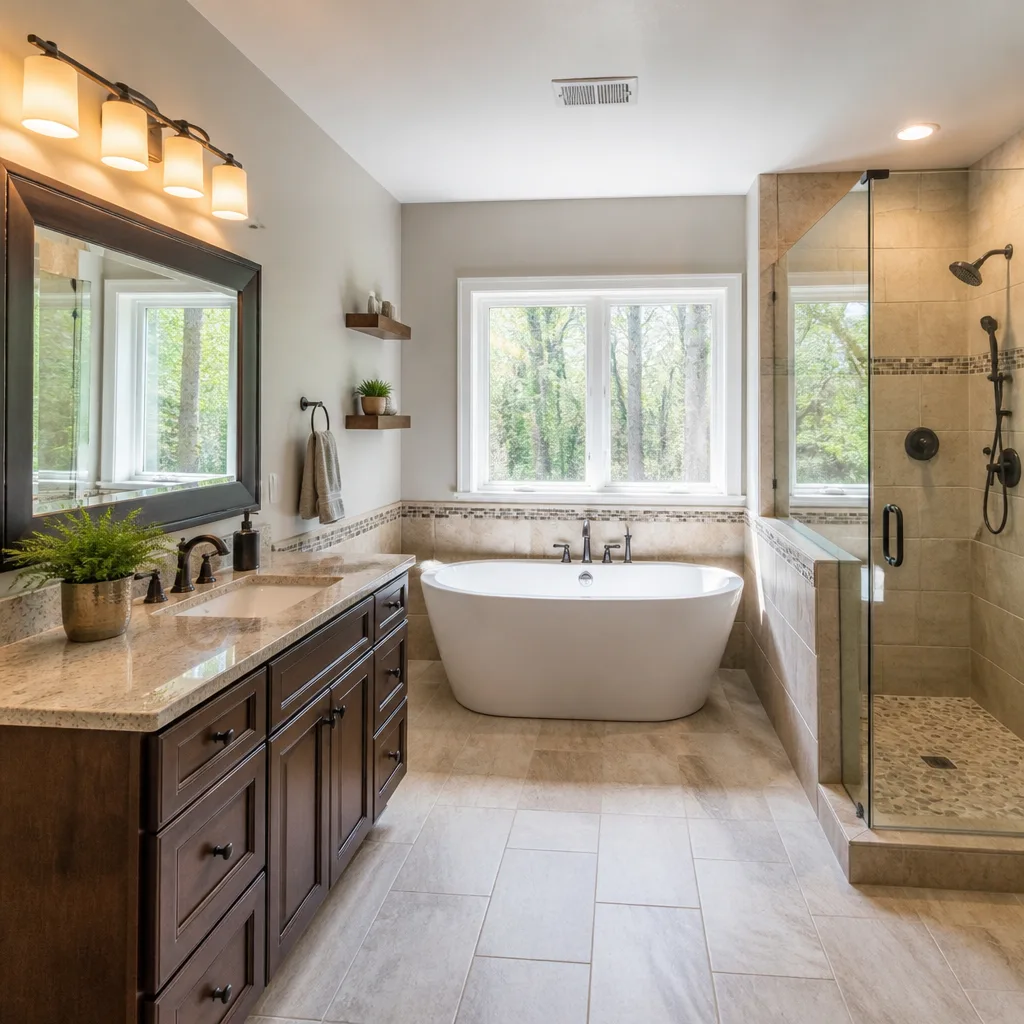 Bathroom remodeling
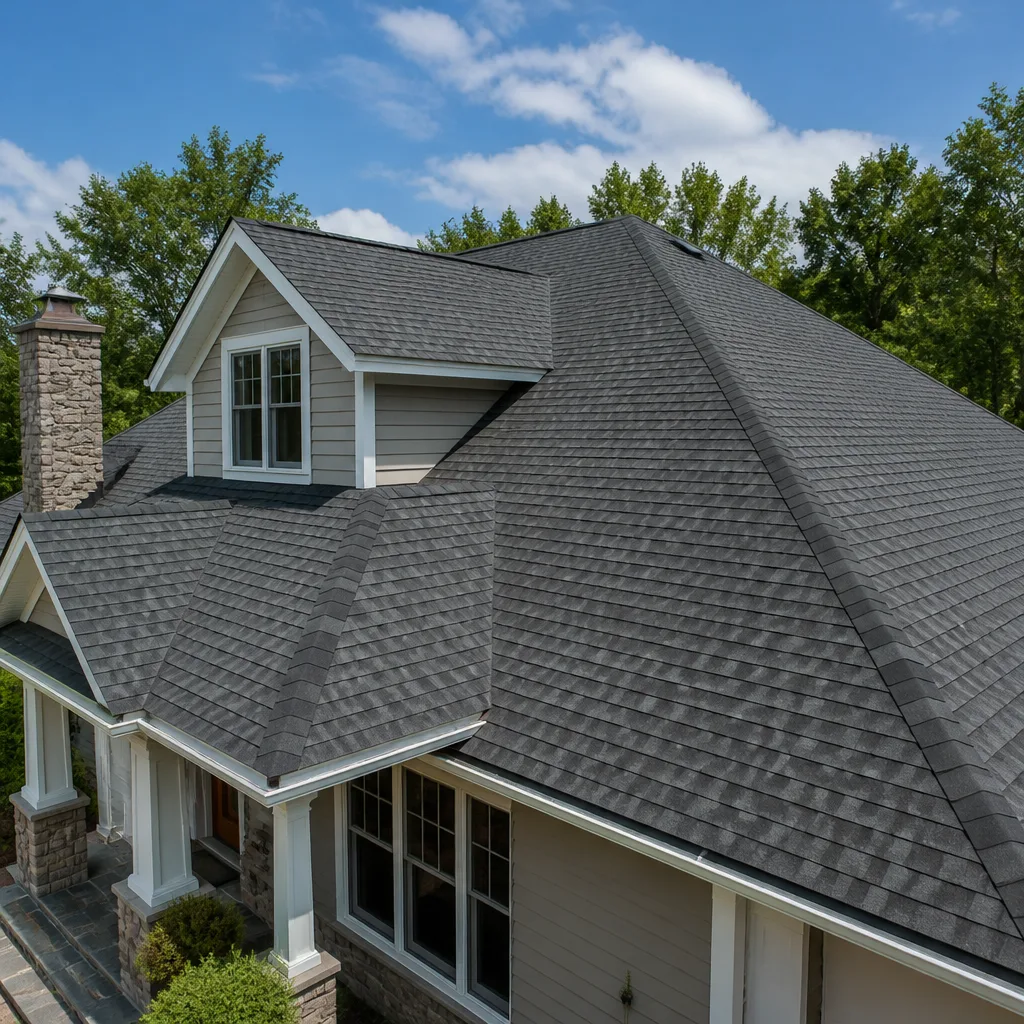 Roofing
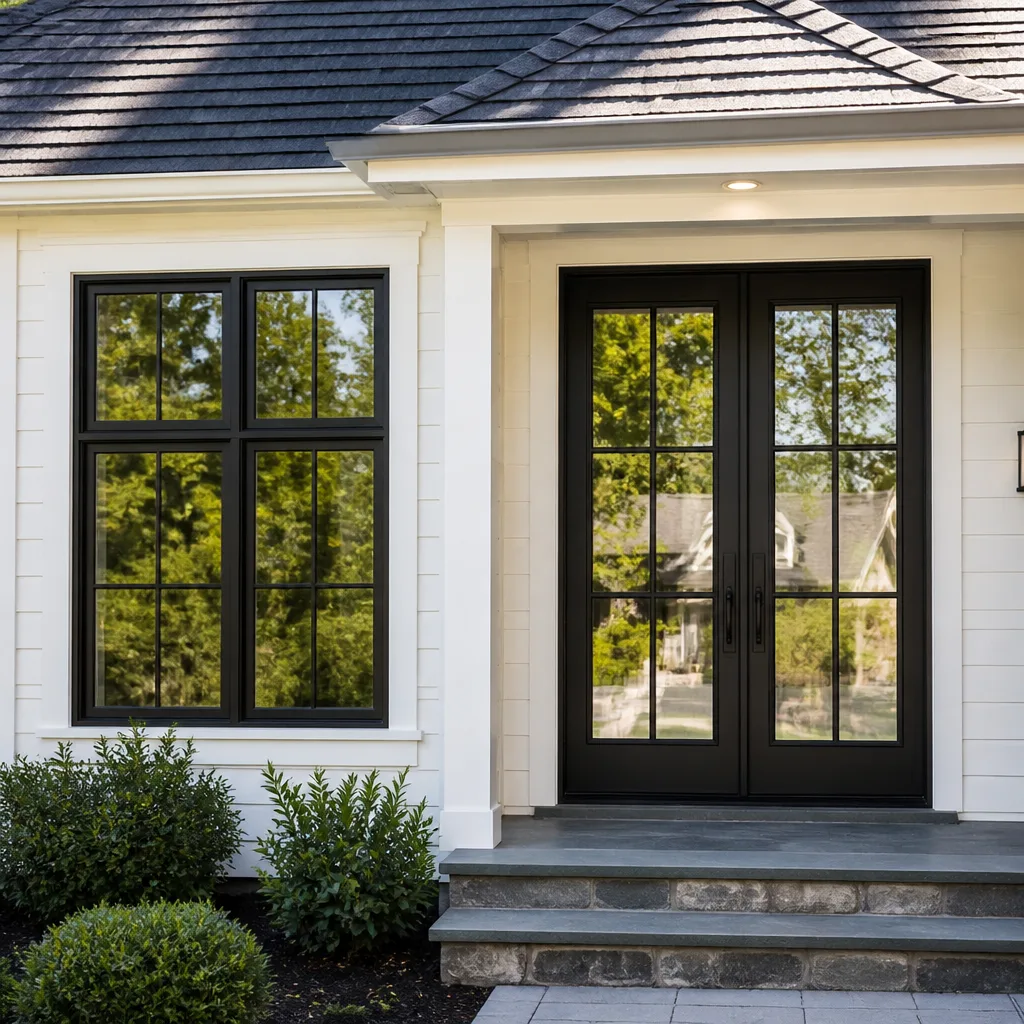 Windows & doors
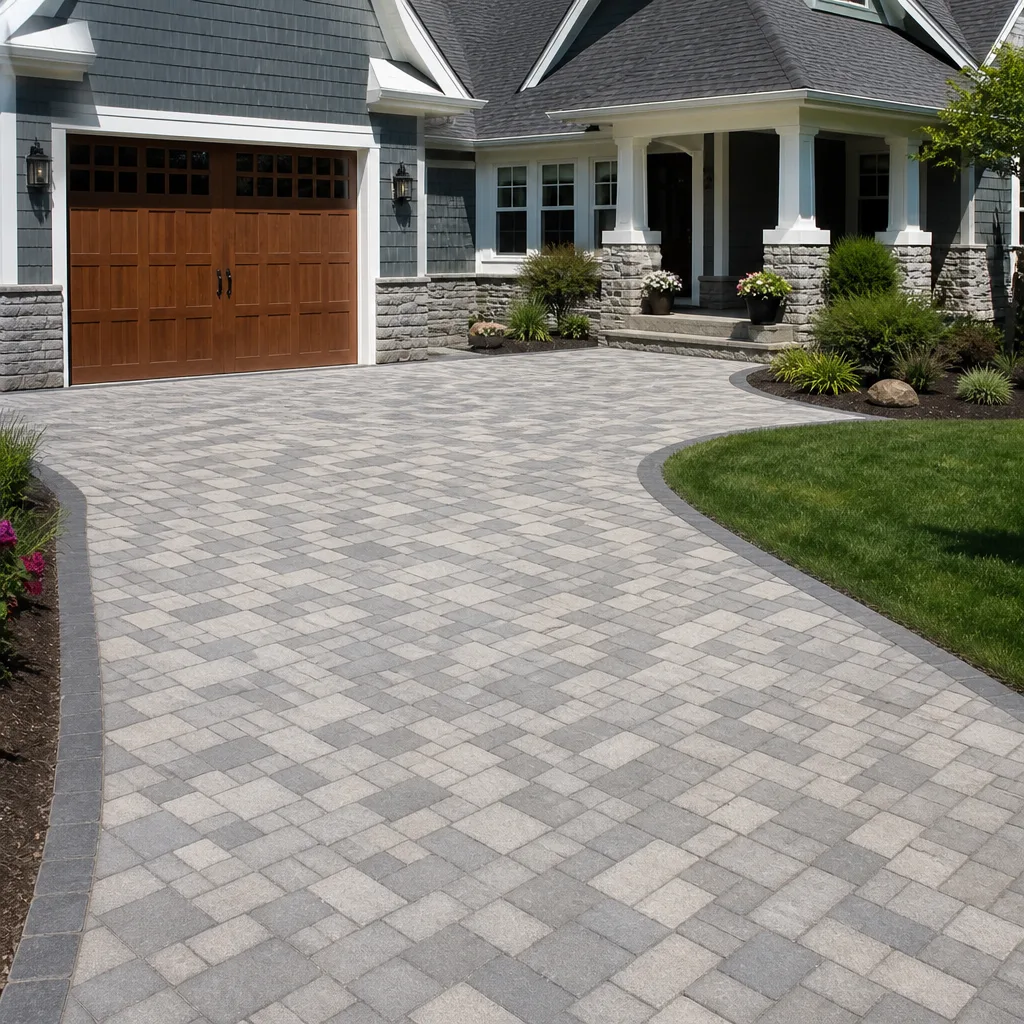 Driveway & pavers
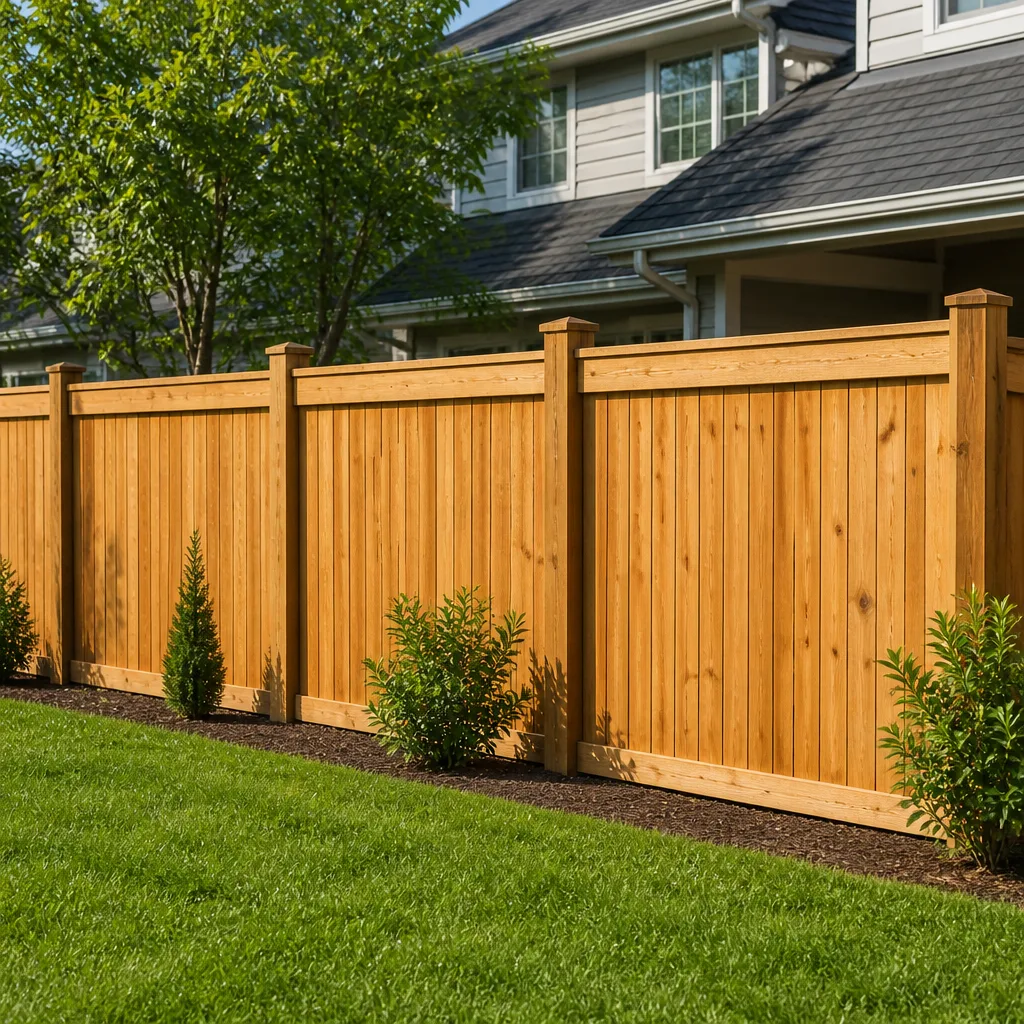 Fence
Free written scope consultation - allowances, timeline, and change-order rules on paper before a single trade is scheduled
Construction Cost Breakdown: The Richmond Homeowner’s Reference for 2026
Most construction cost guides you’ll find online are built on national averages. That’s a problem. A homeowner in Richmond reading a $15,000 bathroom remodel benchmark and budgeting accordingly is often $8,000 to $12,000 short before the first day of demo wraps up. Bay Area labor rates, Contra Costa County permit fees, and the clay soils running under much of this city change the math in ways national surveys never capture. This reference walks through what projects actually cost here in 2026, which line items homeowners consistently underestimate, and how brand tier and project phasing move the total. It’s written for Richmond, from Richmond.
Quick Answer
A typical full bathroom remodel in Richmond in 2026 runs roughly $28,000 to $48,000, a mid-range kitchen remodel $60,000 to $110,000, and a full roof replacement $18,000 to $32,000 depending on pitch and material tier. Hardscape work like driveways and patios starts around $12,000 and climbs fast with site prep on clay soils. Costs here run 30 to 50 percent above Midwest benchmarks, and the written estimate, not a national survey, sets the final price.
Styles & brands we work with
- Kitchen remodeling
- Bathroom remodeling
- Home additions & ADU
- Roofing
- Windows & doors
- Driveway & pavers
- Fence
Table of Contents
- Project-by-Project Cost Ranges for Richmond
- The Three Costs Homeowners Underestimate Most
- How Brand Tier Changes the Total
- Phasing vs. Single Scope: When It Saves and When It Costs
- What Drives Cost Overruns in Richmond
- Permits, Inspections, and Timelines
- Questions to Ask Before You Sign
- Common Mistakes to Avoid
Project-by-Project Cost Ranges for Richmond
Here’s a working table built on Richmond and broader East Bay labor and material rates. These are estimated ranges, not quotes. Actual pricing depends on square footage, existing conditions, and material selections, and the final number always comes from a written line-item estimate after a walkthrough.
| Project Type | Typical Range (2026) | What Moves the Number |
|---|---|---|
| Bathroom remodel (full) | $28,000 – $48,000 | Tile, fixture brand, whether plumbing relocates |
| Kitchen remodel (mid-range) | $60,000 – $110,000 | Cabinetry line, countertop material, layout changes |
| Roof replacement | $18,000 – $32,000 | Pitch, layers to tear off, material tier |
| Window replacement (whole home) | $14,000 – $35,000 | Frame material, glass package, count and size |
| Driveway, pavers | $12,000 – $30,000 | Base prep depth, paver brand, drainage |
| Fence installation | $4,500 – $14,000 | Linear footage, material, slope, old fence removal |
| Home addition | $180,000 – $400,000+ | Footprint, foundation, mechanicals, finish level |
| ADU (prefab/modular) | $120,000 – $280,000 | Unit size, site work, utility trenching |
Two things jump out when you look at these side by side. First, the spread within each category is wide, which is why any single “average” is misleading. Second, the exterior categories (roofing, windows, pavers) often sit within a few thousand dollars of major interior work, and homeowners planning several projects at once usually get better outcomes by scoping them together. If a home additions & ADU is in your future, it’s worth pricing the roof and windows at the same time so you’re not reopening finished work later.
A single contractor who handles the full property, from the driveway to the roofline, can coordinate those scopes. That’s the model we work from at Construction Richmond, and it removes the scheduling conflicts that plague multi-trade projects.
The Three Costs Homeowners Underestimate Most
In our experience across Richmond and the East Bay, the budget overruns rarely come from the visible work. They come from three categories every homeowner should carry as a line item, not an afterthought.
1. Permit Fees and Plan Review
Contra Costa County and City of Richmond permit fees scale with project valuation, so a larger project pays proportionally more. Structural work, additions, and ADUs trigger plan review, which adds both fees and calendar time. A homeowner who assumes permits are a few hundred dollars is often surprised by a four-figure line item, especially on additions where engineering and multiple inspections are involved.
2. Site Prep on Clay Soils
Much of Richmond sits on expansive clay soils that shift with moisture. For hardscape and foundation work, that means deeper base preparation, proper drainage, and sometimes engineered footings that weren’t in the original picture. A paver driveway done right here starts with excavation and a compacted base measured in inches, not a thin sand bed. Skipping it looks fine for one wet season and then heaves.
3. Debris Haul-Out in a Bay Area Jurisdiction
Disposal in Bay Area jurisdictions carries costs that don’t show up in national guides. Construction and demolition debris has to be sorted, hauled, and disposed of at permitted facilities, and dumpster placement on tight urban lots or sloped driveways adds handling time. For a full kitchen or roof tear-off, haul-out alone can run into the low four figures.
- Carry a contingency. Ten to fifteen percent of project cost is a reasonable buffer for a mid-century home.
- Ask what’s excluded. A responsible estimate lists haul-out and permits explicitly, or states they’re pending.
- Get site prep scoped in writing. “Prep included” means nothing unless it names excavation and base depth.
How Brand Tier Changes the Total
Material choice is where homeowners have real control over the total, and it’s where the gap between good, better, and best can swing a project by double digits. You choose the brand, we handle the build. Here’s roughly how tier selection moves the number on the categories where it matters most.
Roofing
Moving from a standard architectural shingle to a premium line, or from asphalt to a tile or metal system, typically changes total roof cost by 20 to 40 percent. The major manufacturers (GAF, CertainTeed, Owens Corning, and others) each offer multiple tiers, so you can match the warranty length and product grade to your budget without changing the installer.
Pavers
Paver brand and style selection moves hardscape cost by roughly 15 to 30 percent. The brand bench matters here: Belgard, Unilock, Techo-Bloc, Tremron, and Cambridge Pavers each carry different profiles, colors, and price points. The installation method is the same; the material selection is what changes the line item.
Siding
Siding tier selection changes total cost by about 15 to 25 percent depending on whether you’re moving from a standard lap product to a fiber cement system like James Hardie. The jump buys durability and finish longevity, which is worth pricing against repainting cycles over the life of the home.
Interior Finishes
In kitchens and baths, the biggest lever is cabinetry and countertops. Cabinet lines like KraftMaid and Wellborn span a wide range, and countertop material choice (quartz from Cambria or Silestone versus a more modest surface) can move a kitchen budget by several thousand dollars. For bathrooms, fixture brands like Kohler and Moen vary in price but rarely dominate the total the way tile and cabinetry do.
In our experience, homeowners who see the tiers side by side make better decisions than those handed a single spec. Working with 50-plus recognized brands means real choice, not a take-it-or-leave-it package. It also means fewer change orders mid-project, because the selection happens before the work starts.
Phasing vs. Single Scope: When It Saves and When It Costs
Phasing a project across two or three years looks like a smart way to spread cost. Sometimes it is. Sometimes it quietly adds 10 to 20 percent to the total. The difference comes down to remobilization, redundant work, and whether the phases intersect.
When Phasing Saves Money
- Unrelated scopes. A fence this year and a kitchen next year don’t share labor or materials, so there’s no penalty for spacing them.
- Cash flow. If financing is tight, phasing lets you complete work without high-interest borrowing.
- Learning curve. Living with a layout for a year before committing to a remodel often prevents expensive regrets.
When Phasing Costs More
- Overlapping scopes. Replacing a roof after finishing attic insulation or solar means tearing into work you just paid for.
- Remobilization. Bringing crews and equipment back to the same site twice adds setup, staging, and disposal costs.
- Redundant finishes. Painting a room, then remodeling it a year later, means paying for finish work twice.
The rule of thumb: if two projects touch the same wall, roofline, or mechanical system, do them in one scope. If they don’t, phase them for cash flow. A single contractor who handles everything from Construction Richmond service lines through the interior can sequence the work so phases land in the right order.
What Drives Cost Overruns in Richmond
Mid-century homes are common across Richmond, and they carry hidden conditions that responsible contractors price as contingencies rather than surprises. Knowing what to expect keeps you from being blindsided.
Hidden Conditions in Mid-Century Homes
- Outdated wiring. Older homes may have aluminum branch wiring or insufficient panel capacity. Electrical upgrades add cost but are non-negotiable for safety, and only a licensed electrician should touch a panel.
- Galvanized plumbing. Corroded supply lines often need replacement once walls are open, and that’s a plumbing scope, not a cosmetic one.
- Framing irregularities. Additions and structural changes frequently reveal framing that doesn’t match the drawings, requiring reframing or engineering.
- Asbestos and lead in older materials. Homes built before the 1980s may contain these in insulation, tile, or paint. Testing and abatement are separate line items, handled by licensed specialists.
- Drainage and grading. Clay soils and older grading mean water management has to be solved before hardscape or foundation work holds long-term.
Where Contingencies Belong
A responsible estimate names these as known risks with an allowance, not as a fixed price with a hidden markup later. If a contractor quotes a rock-bottom number with no contingency on a mid-century home, the overruns are coming. Ask what happens when hidden conditions appear, and get the answer in writing.
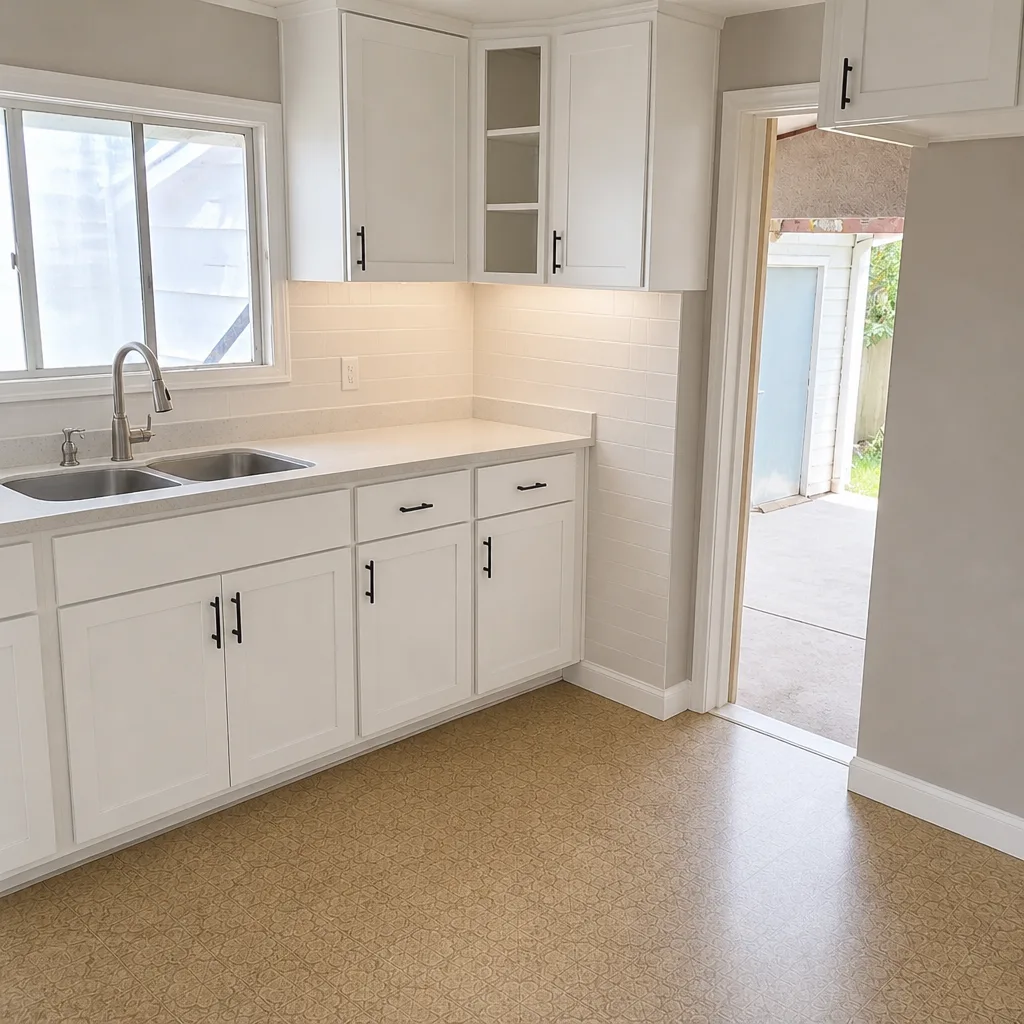
See the difference
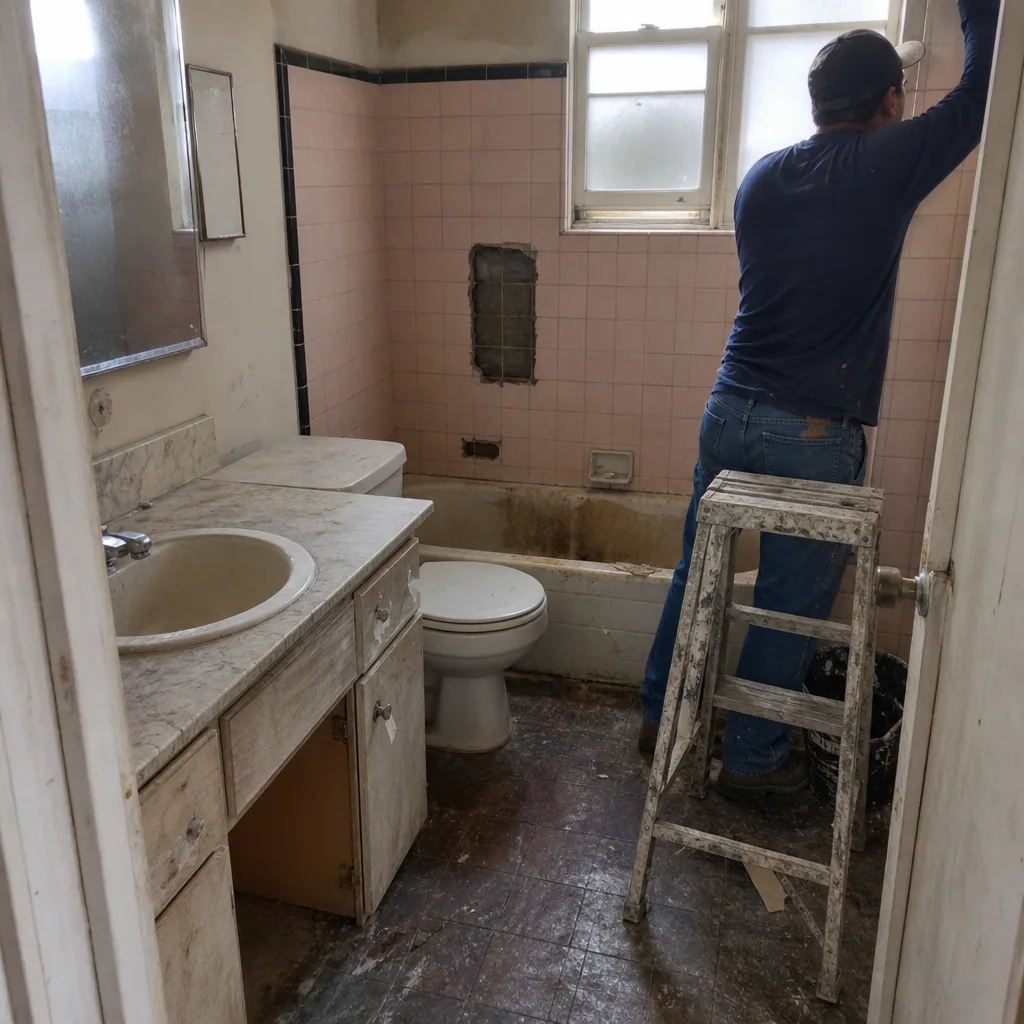 Before
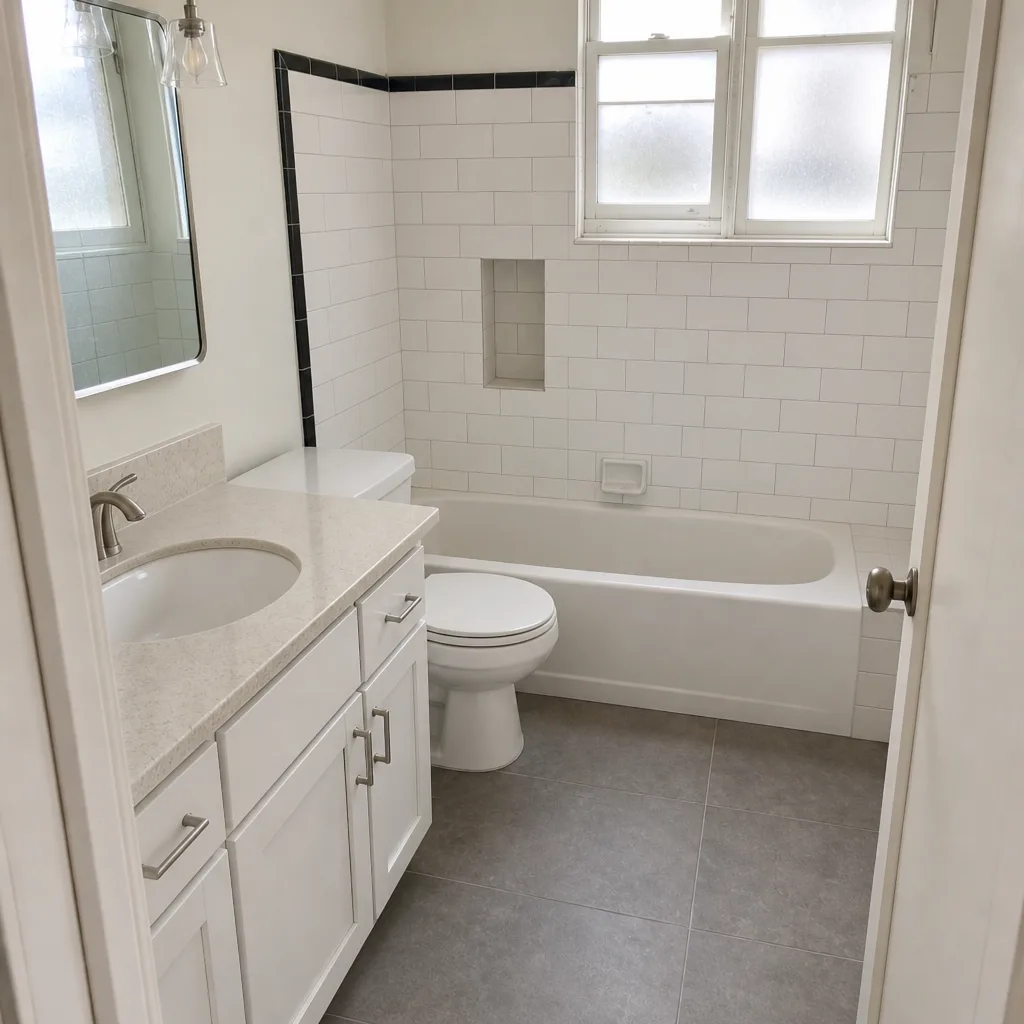 After
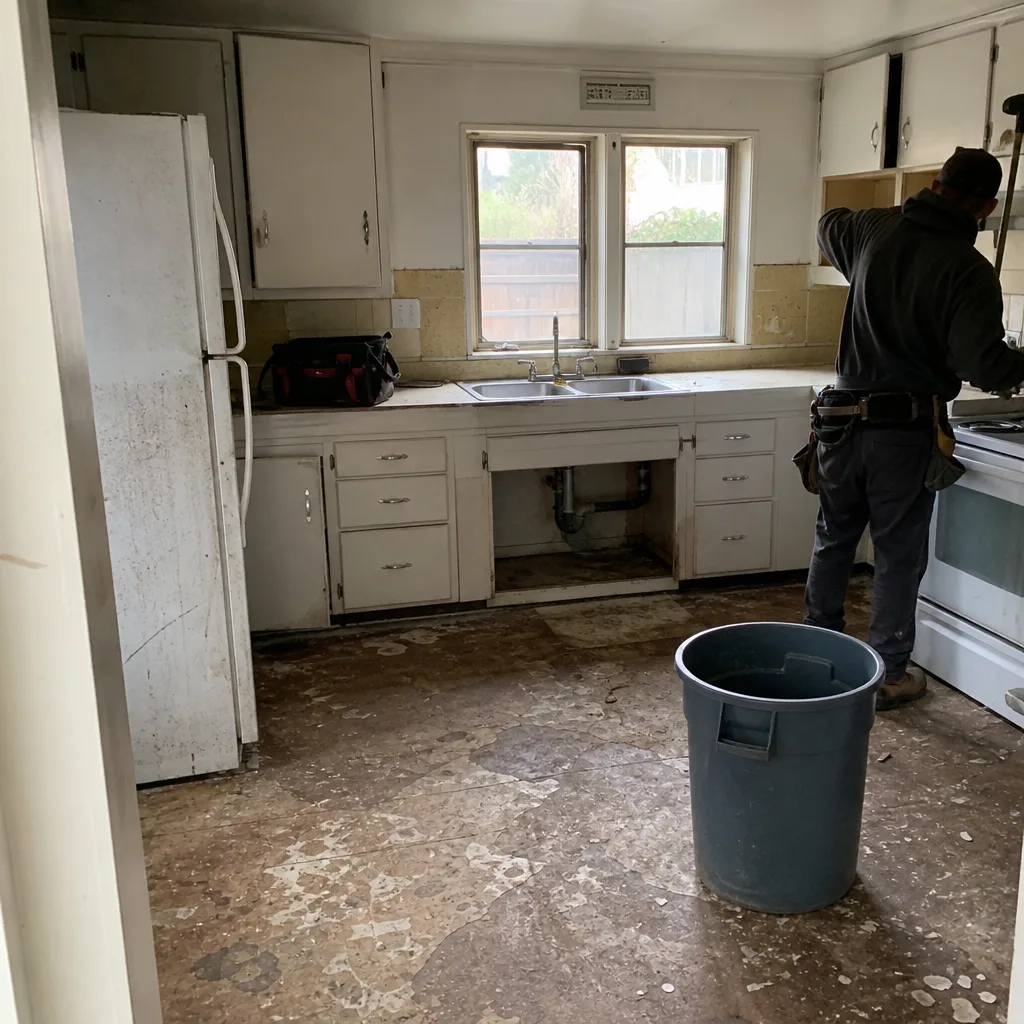 Before
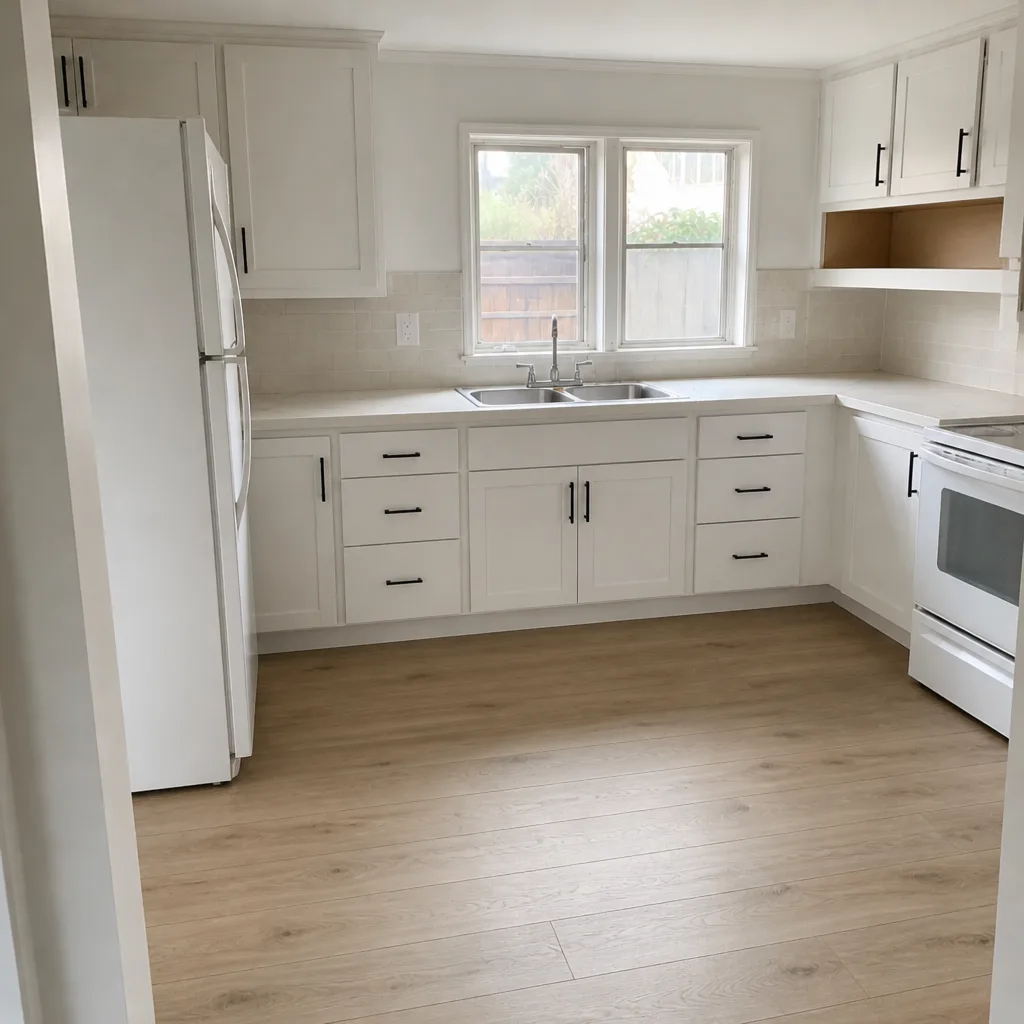 After
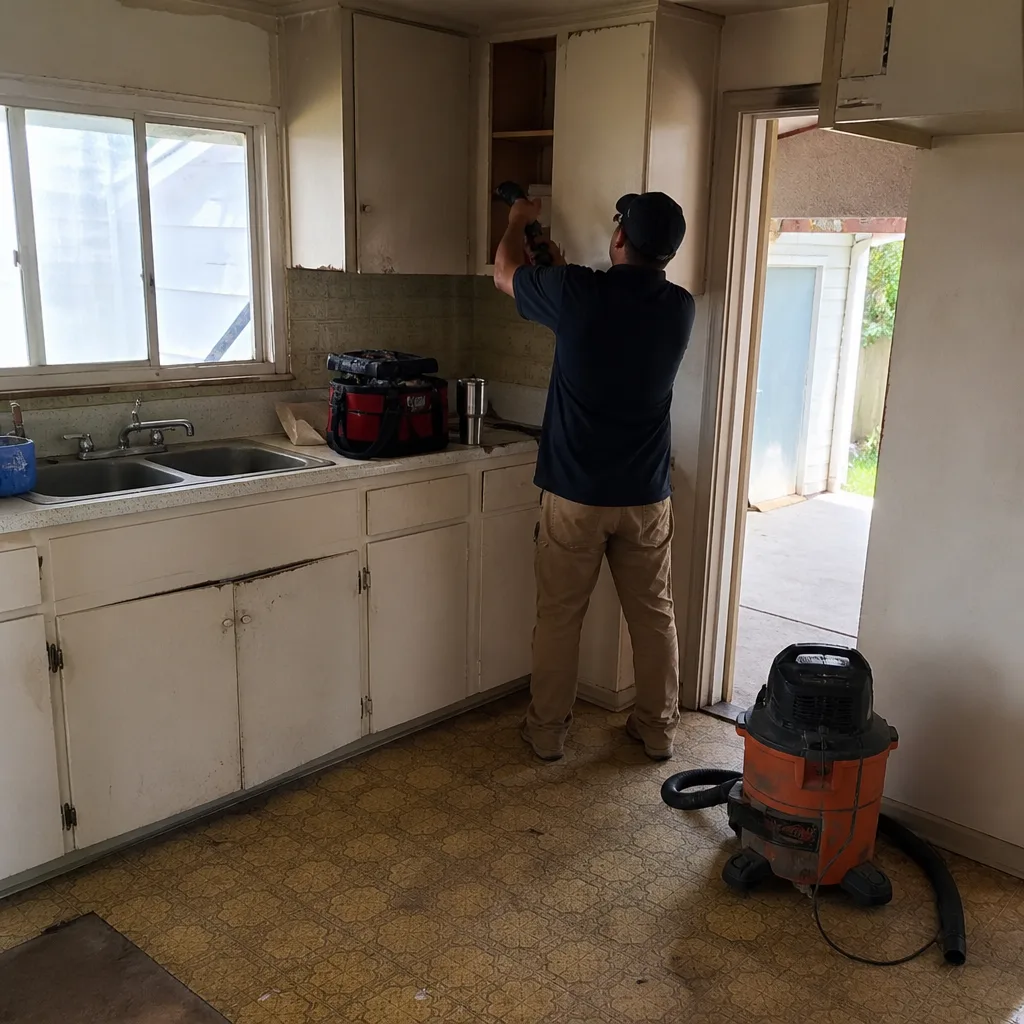 Before
 After
Permits, Inspections, and Timelines
Most structural, exterior, and major interior work in Richmond requires a permit and inspection. Additions, ADUs, roof replacements, window replacements, and fence installation all typically fall under permitting rules. Rules vary, so the right move is always to confirm with the City of Richmond’s building department before work starts.
- Walkthrough and scope. The contractor reviews existing conditions and defines the work.
- Plans and engineering. Structural work and additions require drawings; some require an engineer’s stamp.
- Permit application and plan review. Fees are based on valuation; review adds calendar time.
- Approved plans and start of work. Construction begins after permit issuance.
- Inspections at defined stages. Rough framing, electrical, plumbing, and final inspections happen at checkpoints.
- Final inspection and closeout. Work must pass inspection before closeout.
Timelines stretch with plan review and inspection scheduling. A straightforward window or roof replacement moves faster than an addition, which can take months from application to final inspection. Homeowners planning a driveway & pavers project alongside structural work should sequence the permits early so one scope doesn’t hold up the other.
Permits pulled and inspections passed should always be part of the written agreement. A licensed and insured contractor will handle the process and keep you informed at each stage.
Questions to Ask Before You Sign
A good estimate answers more than “how much.” These questions separate a serious contractor from a risk.
- Is this a fixed price or a contingency? Ask what’s included, what’s excluded, and how change orders are handled. Fixed pricing with no surprise change orders is what a proper estimate should deliver.
- Do you pull the permits? The answer should be yes, with inspections passed before closeout.
- Who handles haul-out and disposal? Get it named as a line item, not buried in a lump sum.
- What brand lines can you source? A contractor with broad brand relationships can show you options and price them side by side.
- What does the warranty cover? Ask what’s covered and for how long, in writing.
- How is the schedule structured? Get a rough sequence by phase, understanding that permits and inspections set the pace.
If you’re planning fence installation alongside a roof or window upgrade, ask how the scopes will be scheduled so the crew isn’t working around a fence line that’s about to move.
Common Mistakes to Avoid
- Budgeting from a national average. A $15,000 bathroom benchmark doesn’t apply in Richmond. Build your budget from East Bay rates or you’ll be short on day one.
- Treating permits as a rounding error. Contra Costa County fees scale with valuation, and plan review adds time and cost. Ask for the permit line item up front.
- Skipping site prep to save a little. On Richmond’s clay soils, a shallow base under pavers or a shortcut on drainage looks fine until the first wet season.
- Choosing material after signing. Select your brand tier before the contract, or you’ll pay change-order prices mid-project. Ask to see options from the major lines side by side.
- Phasing work that overlaps. Replacing a roof after finishing attic work, or remodeling a bathroom after new flooring, means paying twice for the same finish. Sequence intelligently.
- Assuming a low bid means a bargain. A quote with no contingency on a mid-century home will grow once walls open. The realistic bid is the honest one.
- Letting one trade hold up another. Coordinating separate roofers, window installers, and paver crews invites scheduling conflicts. One contractor with full-scope coverage avoids that.
When to Call a Professional
Some work is fine to think about; some needs a trained professional, and knowing where the line sits protects your home and your safety. Call when the project involves electrical panels or wiring, gas lines, structural changes like removing a wall or adding on, roof work at height or pitch, or anything that requires a permit and inspection. Those scopes carry real risk, and a licensed and insured contractor handles them with the permits and inspections in place. Call when hidden conditions appear once a wall is open, when a low bid doesn’t add up, or when you’re planning multiple projects and don’t want to manage competing crews yourself.
Construction Richmond offers free estimates in Richmond. All work is licensed and insured, with written line-item quotes, permits pulled, and inspections passed. Call (877) 367-8617 to schedule your free estimate.
Frequently Asked Questions
A full bathroom remodel in Richmond typically runs $28,000 to $48,000 in 2026, depending on tile selection, fixture brand, and whether plumbing relocates. The written estimate sets the final price. Call (877) 367-8617 for an exact quote, estimates are free.
Costs here run 30 to 50 percent above Midwest benchmarks because Bay Area labor rates, Contra Costa County permit fees, and clay-soil site prep all add to the total. National surveys don’t capture those local factors, so budgets built on them fall short. Call (877) 367-8617 to price your project against real local rates.
A well-written estimate includes contingency for the hidden conditions common in mid-century homes, so the price stays predictable. Outdated wiring, galvanized plumbing, and framing irregularities are named as allowances, not discovered mid-job. Ask what’s excluded before you sign. Call (877) 367-8617 for a written, line-item quote.
Yes, permits are pulled and inspections passed for work that requires them, and that’s written into the agreement. Rules vary by project, so confirm scope with the City of Richmond’s building department before work starts. Call (877) 367-8617 to schedule a free walkthrough and estimate.
Phasing saves money when the scopes don’t overlap, and costs 10 to 20 percent more when they do, because of remobilization and redundant finishes. If two projects touch the same wall or roofline, do them in one scope. Call (877) 367-8617 to work out the right sequence.
A mid-range kitchen remodel typically takes several weeks to a few months, with cabinetry lead times and inspection checkpoints setting the pace. Material selection before the contract shortens the timeline and prevents change orders. Call (877) 367-8617 for a realistic schedule and free estimate.
The Bottom Line
Richmond construction costs in 2026 are shaped by Bay Area labor, Contra Costa County permit fees, and clay-soil site prep, not by national averages. Build your budget from local ranges: $28,000 to $48,000 for a full bathroom, $60,000 to $110,000 for a mid-range kitchen, and $18,000 to $32,000 for a roof replacement. Carry a 10 to 15 percent contingency for mid-century hidden conditions, choose your brand tier before signing, and sequence projects so overlapping scopes land in one pass. A written line-item estimate, permits pulled, inspections passed, and fixed pricing with no change orders are what a serious contractor delivers. Our technicians have up to 11 years of experience, and we work with 50-plus recognized brands so you choose the material and we handle the build.
Call (877) 367-8617 for a free estimate. We answer 24/7. Fast dispatch from 7am to 7pm, Sunday through Friday.
Written by the team at Construction Richmond.