
Last updated November 17, 2026
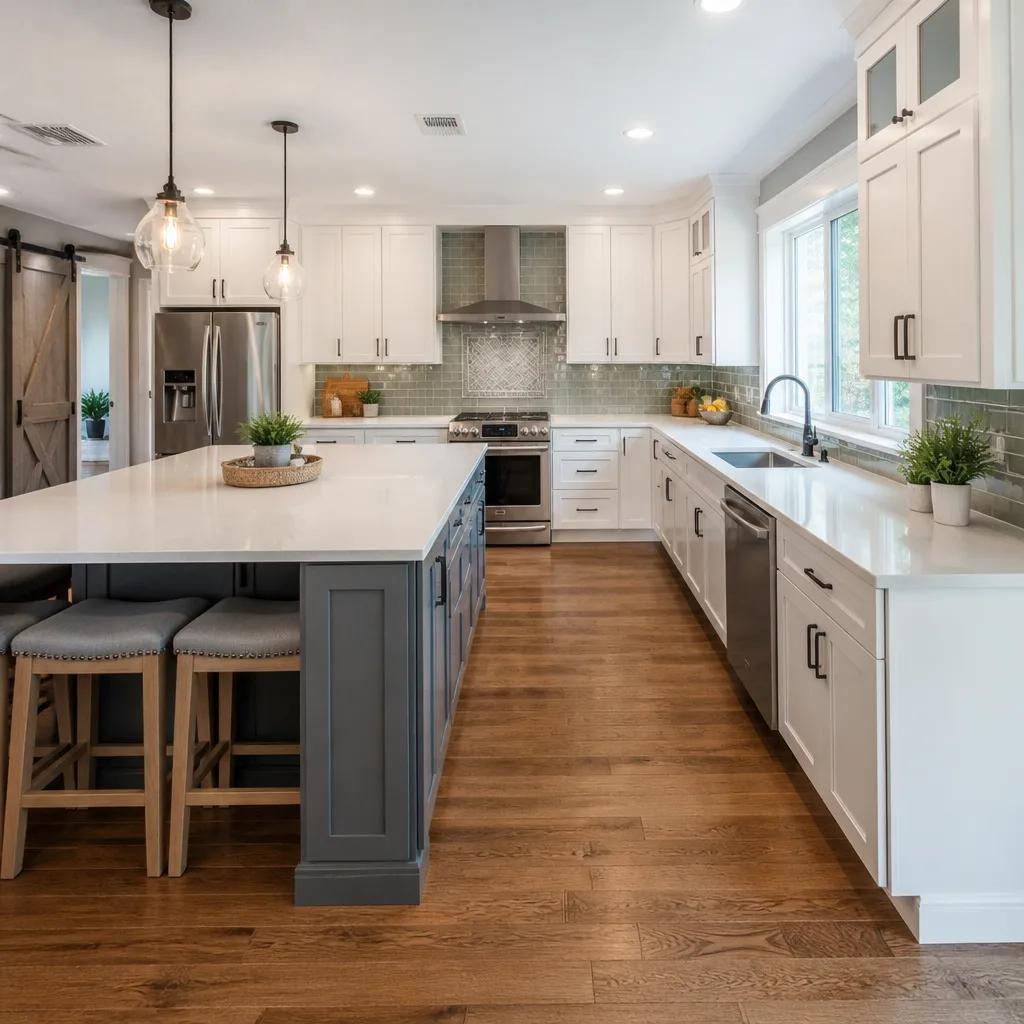 Kitchen remodeling
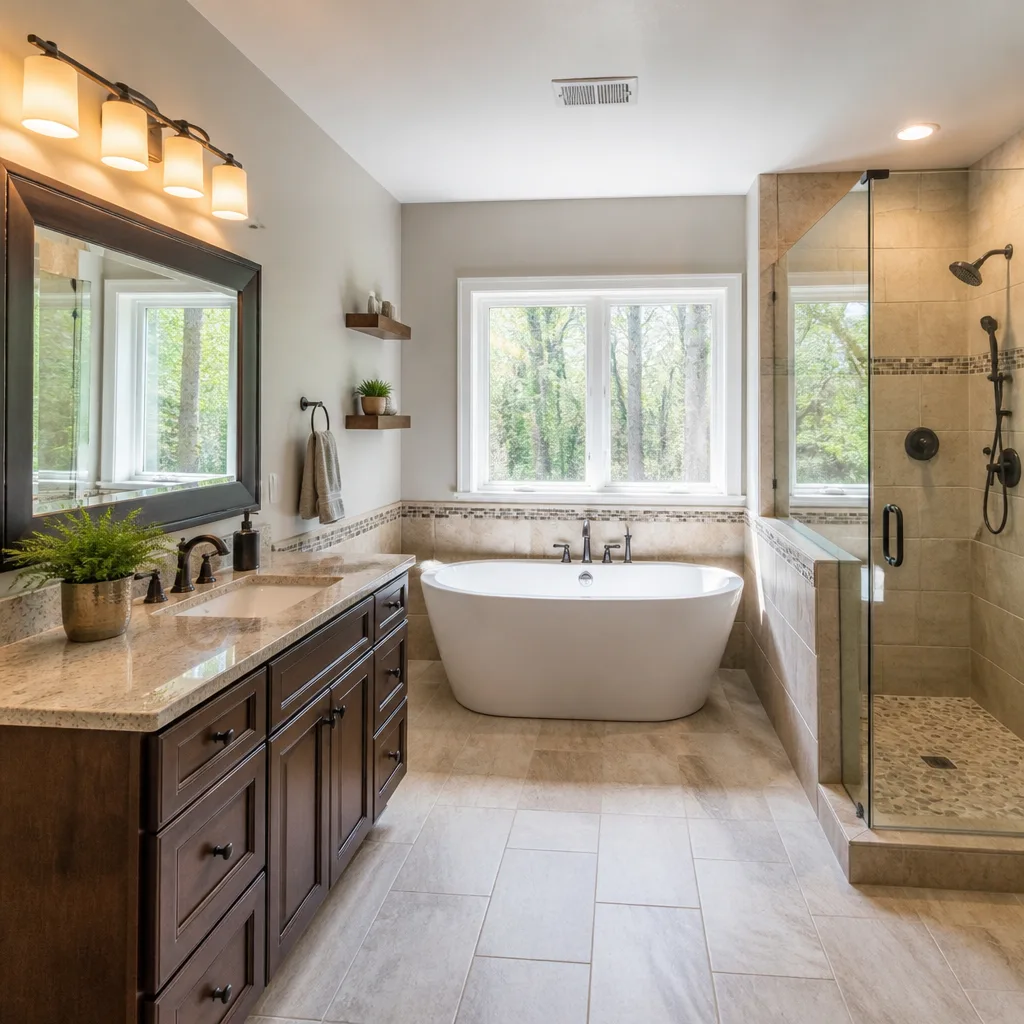 Bathroom remodeling
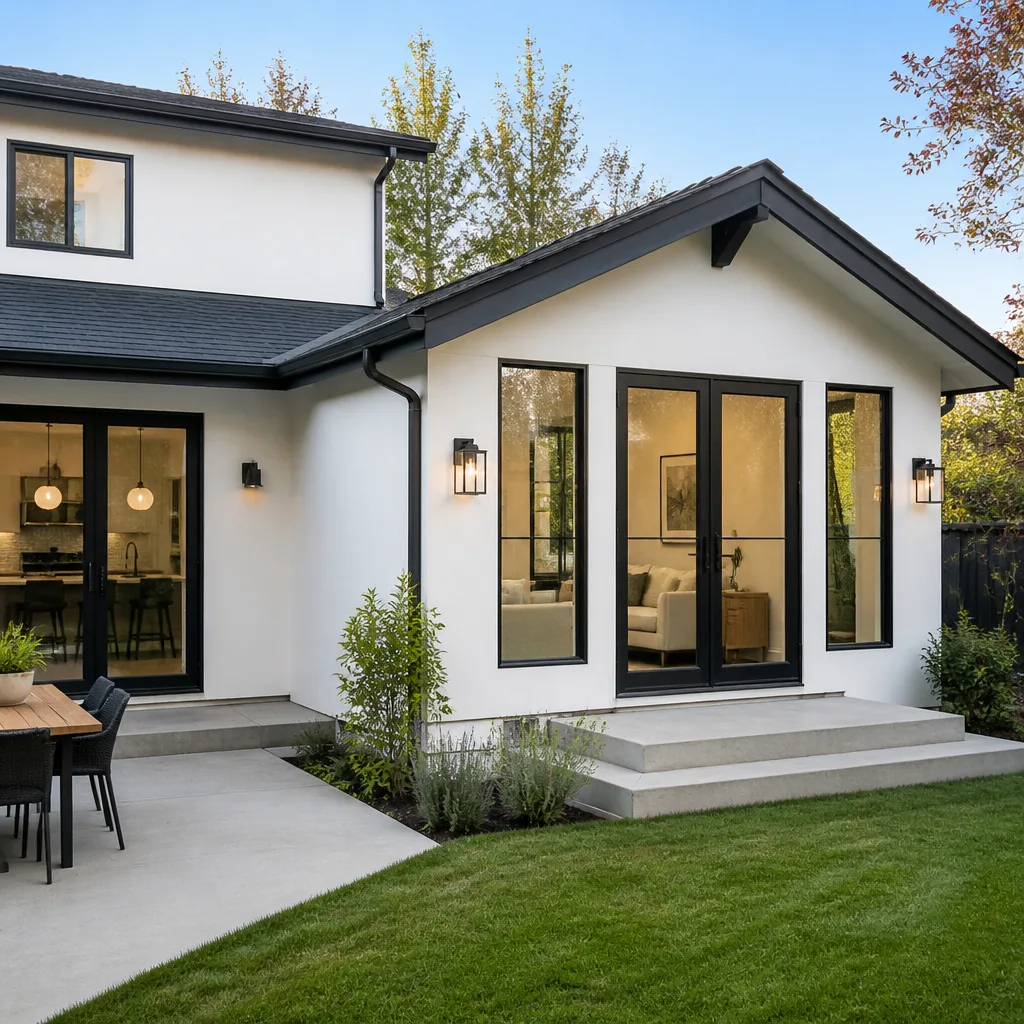 Home additions & ADU
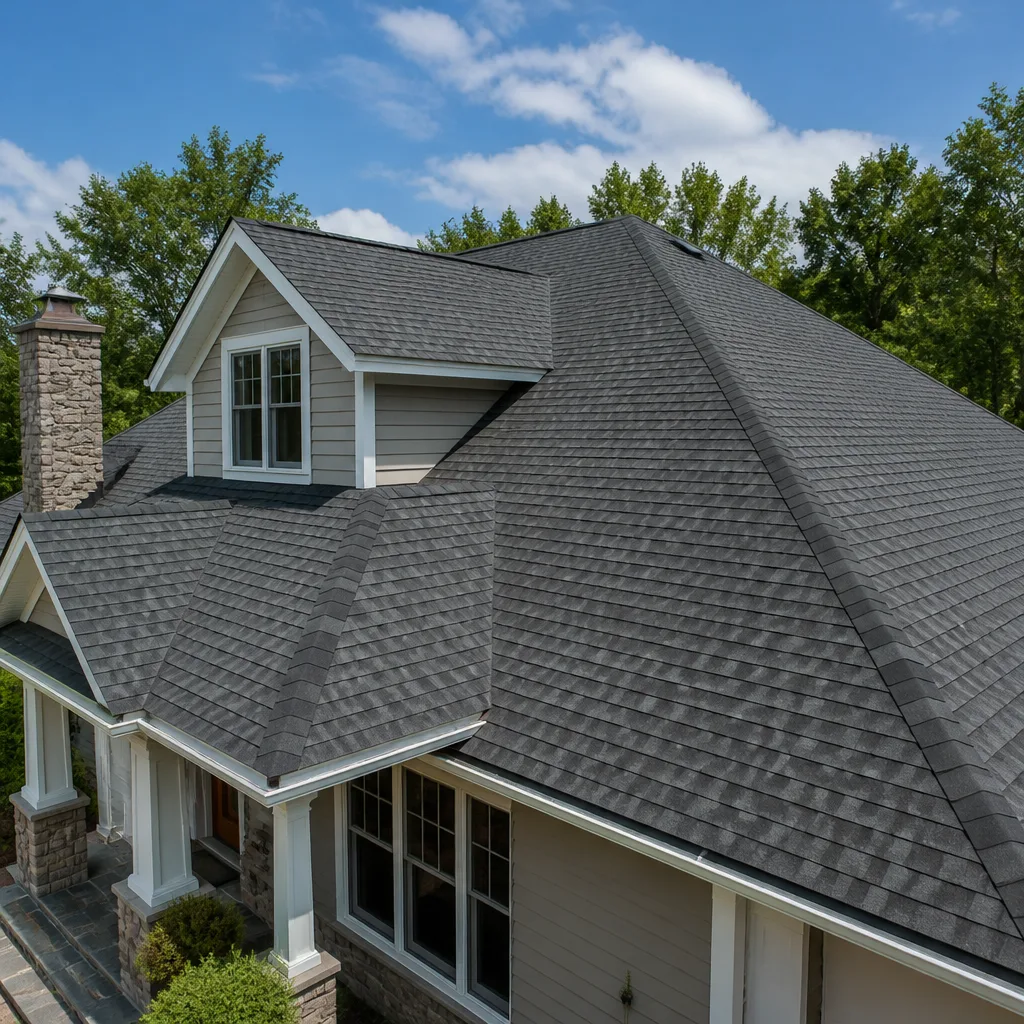 Roofing
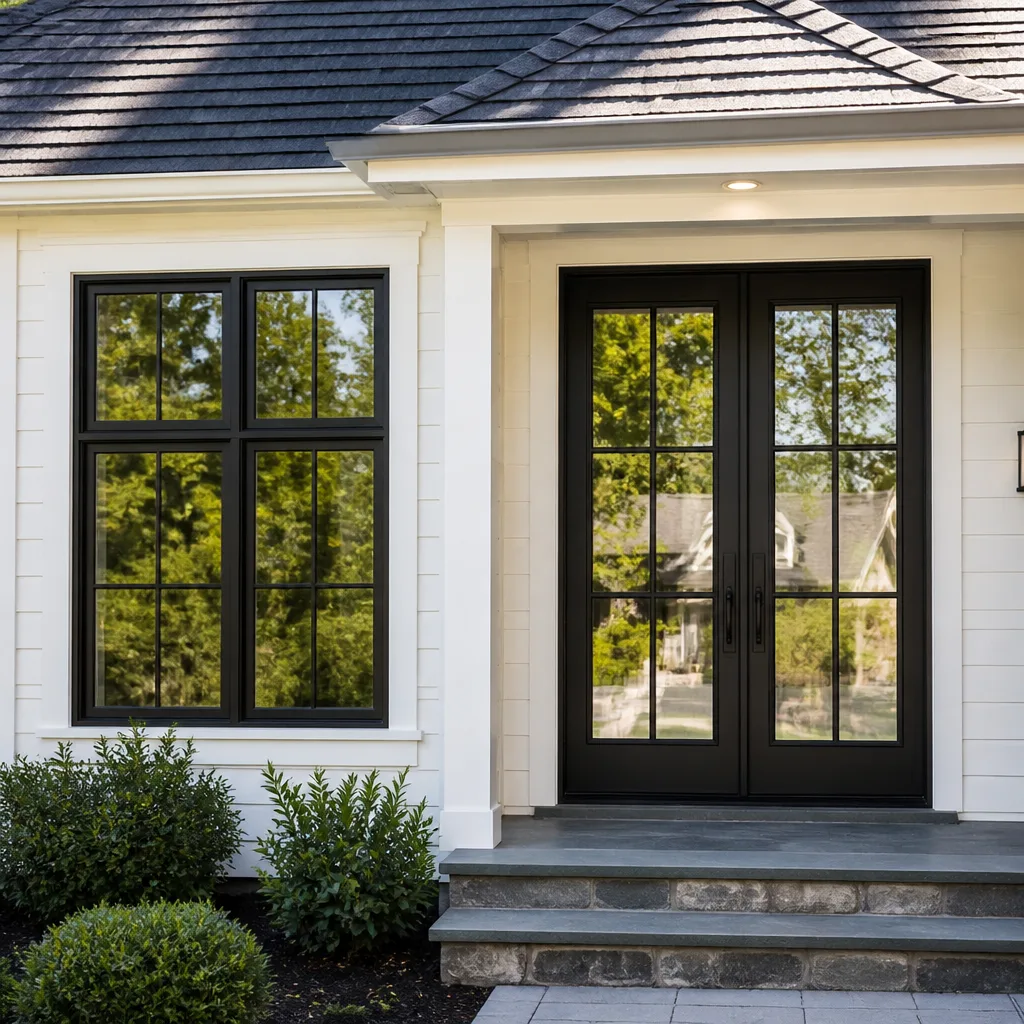 Windows & doors
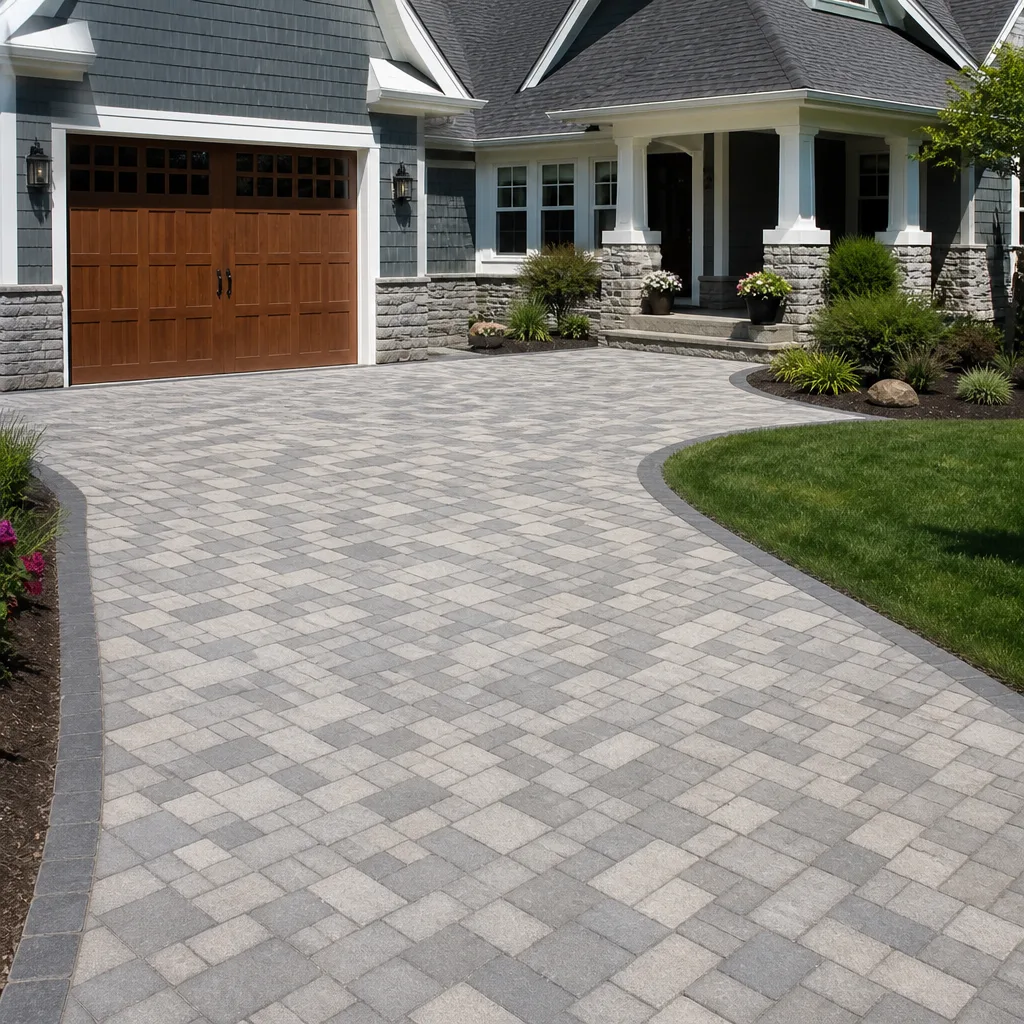 Driveway & pavers
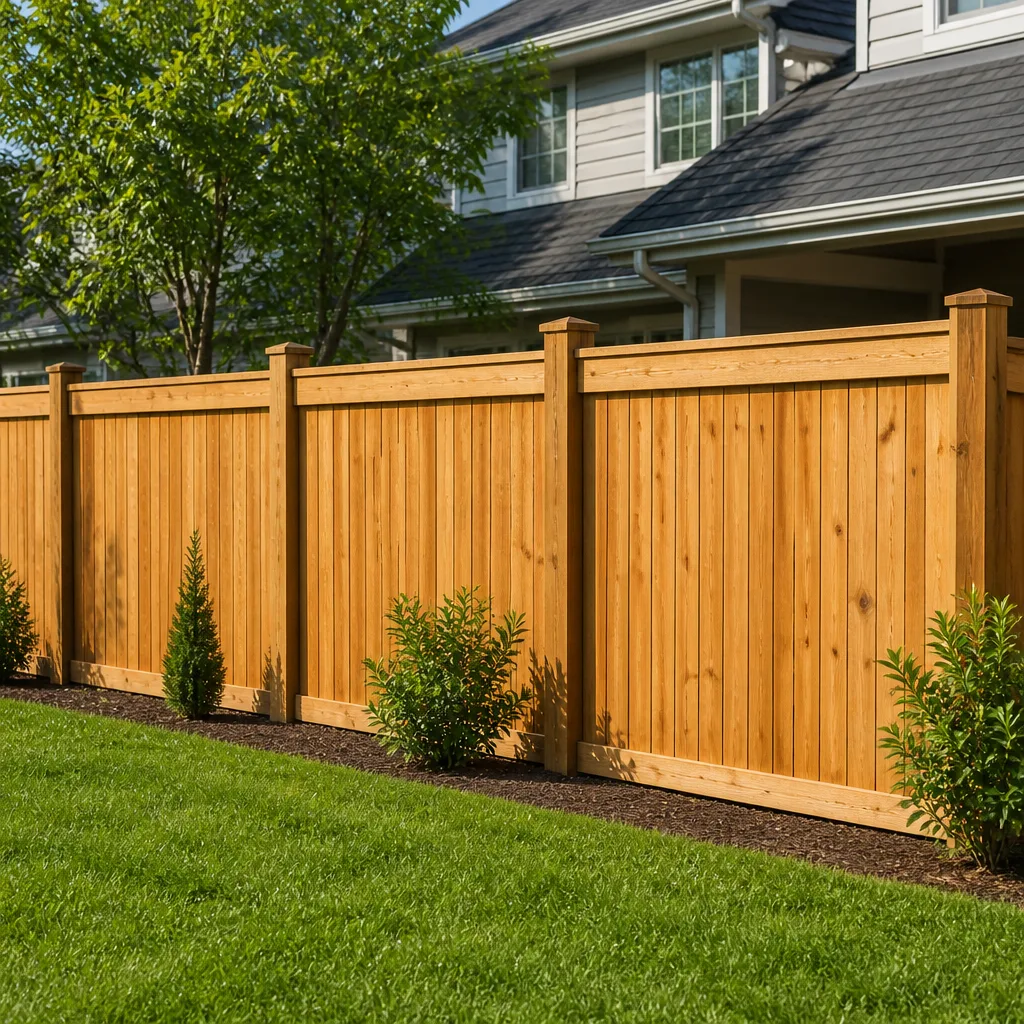 Fence
Free written scope consultation - allowances, timeline, and change-order rules on paper before a single trade is scheduled
Choosing the Right Construction Brand: A Buyer’s Guide for Richmond
The highest-rated roofing shingle in a national consumer poll can be a mediocre choice for a house in Richmond. That sounds wrong until you look at how those ratings get built: they blend thousands of reviews from Phoenix, Minneapolis, and Atlanta into a single star count, and none of those places share Richmond’s combination of steady coastal moisture, high humidity, and strong year-round sun. A brand that performs beautifully in dry desert heat may struggle a few blocks from the bay. What we’ll cover here is how to read brand reputation through a Richmond lens: which materials genuinely differentiate themselves in this climate, how to spot a warranty that quietly excludes the conditions your home lives in, and where premium money buys real durability versus a nicer label on a commodity product.
Quick Answer
Choosing the right construction brand in Richmond comes down to three things: whether the product holds up under sustained moisture and UV, whether the manufacturer’s warranty actually covers the conditions your home experiences, and whether you’re getting contractor-grade product or a thinner consumer version sold under the same name. National rankings are a starting point, not a verdict. The brands worth paying more for are the ones whose warranty terms, material spec, and installer network line up with Richmond’s climate and with the way your specific house is built.
Styles & brands we work with
- Kitchen remodeling
- Bathroom remodeling
- Home additions & ADU
- Roofing
- Windows & doors
- Driveway & pavers
- Fence
Table of Contents
- Why Richmond’s Climate Rewrites the Brand Rankings
- The Three Performance Criteria That Matter Most Here
- How to Read a Warranty for What Voids It
- Contractor-Grade vs. Consumer-Grade: Same Name, Different Product
- Where Brand Choice Pays Off and Where It Doesn’t
- How Contractor Brand Relationships Change Your Project
- A Step-by-Step Method for Choosing Brands
- Common Mistakes to Avoid
Why Richmond’s Climate Rewrites the Brand Rankings
Richmond sits in a coastal climate zone where the air holds moisture most of the year and the sun still hits hard in summer. That pairing is unusual. Manufacturers build their national reputation on aggregate data, so a product can be “the best” in the country and only average here. When you’re evaluating any exterior product for a Richmond home, the national ranking tells you the manufacturer is competent. It does not tell you the product is matched to your site.
Three local realities do the most to separate brands:
- Sustained humidity. Exterior wood, fence boards, and siding assemblies stay damp longer here than in drier regions. Products with poor moisture management, or finishes that trap water against the substrate, show it first in Richmond.
- UV exposure through partial shade. Many Richmond properties sit under mature trees or in the filtered light of a coastal morning fog that burns off by midday. That pattern of shade then sun accelerates fading and chalk on poorly stabilized finishes.
- Moisture cycling without a deep freeze. The problem here isn’t ice; it’s the daily warm-and-damp cycle that encourages mold, mildew, and rot on materials that don’t dry out.
In our experience, the products that win in Richmond tend to be the ones with strong moisture-barrier design, UV-stable color systems, and finishes that shed water rather than absorb it. That’s a different filter than the one most buyers apply when they scan a review site.
The Three Performance Criteria That Matter Most Here
When a Richmond homeowner asks us which brand to pick, we run the product through three filters before we ever talk about price. Each one is a question you can ask about any material, from a shingle to a cabinet finish.
- Salt-air and moisture resistance. Metal hardware, fasteners, and exterior coatings should be rated for coastal exposure. A shingle, window, or fence post that’s fine inland can pit or corrode faster near the bay. Ask what corrosion class the metal components carry.
- UV stability. Colors and finishes should be engineered to resist fade under strong sun. If a manufacturer can’t tell you the lightfastness rating of their finish, that’s a signal.
- Performance under sustained 60-75% humidity. This is the big one for Richmond. Cabinets, flooring, trim, and fencing should have moisture-related installation guidance for humid climates. Products designed only for dry climates fail early here.
These three criteria are why the brand that tops a national “best shingles” list isn’t automatically the best shingle for a Richmond roof. A roofing manufacturer like GAF, CertainTeed, or Owens Corning may all make an excellent product line, but the specific shingle within that line matters more than the badge. The same principle applies to your windows, siding, and pavers.
How to Read a Warranty for What Voids It
Most homeowners read the length of a warranty and stop. The length is the least useful number on the page. What matters is the fine print that tells you which conditions void coverage, because some warranties exclude the exact moisture and installation conditions common in Richmond homes. A 50-year warranty that’s voided by improper ventilation or by moisture trapped behind an exterior wall is a 0-year warranty for the homeowner who didn’t read that far.
Here’s how to read the fine print before you buy:
- Find the exclusions section. Look for language around “improper installation,” “inadequate ventilation,” and “moisture intrusion.” Those are the conditions most likely to apply to a coastal, humid-climate home.
- Check who must install it. Many warranties only honor the full term when the product is installed by a certified or licensed installer using the manufacturer’s specified system. That’s a reason to hire a contractor who is authorized on that brand.
- Look for the transfer clause. Some warranties transfer to a new owner if registered properly, which protects resale value. Others don’t.
- Ask what registration requires. A warranty that must be registered within a set window after install, but that most homeowners never register, is a warranty that quietly lapses.
This is one place where a contractor’s relationships with brands pay off for you. When we source a product, we handle the registration and the installation spec the warranty requires. Call (877) 367-8617 for a free estimate if you want a second set of eyes on a warranty you’re being offered.
Contractor-Grade vs. Consumer-Grade: Same Name, Different Product
Two boxes can carry the same brand name and hold very different products. Many manufacturers sell a retail line through home improvement stores and a contractor-grade line through authorized dealers, and the contractor version often has a thicker core, better hardware, or a longer warranty. If you’re comparing a big-box fixture to what a contractor is quoting, you may be comparing two different products that happen to share a logo.
What tends to differ between the two:
- Material thickness and fasteners. Contractor lines frequently use heavier-gauge metal, better seals, and more durable hardware.
- Warranty terms. Retail versions may carry shorter, non-transferable warranties than the contractor line of the same brand.
- Installation spec. Contractor-grade products often come with a published installation system that the warranty depends on. That’s harder to enforce with a retail product.
This is why we emphasize that you choose the brand but we handle the build. We work from authorized dealer channels and full product lines, which means you’re not choosing between a good brand and a bad brand; you’re choosing the right version of the right brand for your house. The same principle applies across categories, from countertops from Cambria, Silestone, or Caesarstone to cabinet lines like KraftMaid and Wellborn to a new fence panel system.
Where Brand Choice Pays Off and Where It Doesn’t
Not every category rewards a premium brand equally. Some are heavily differentiated and worth paying up for. Others are largely commodity, and the mid-tier product gets you the same real-world result for less. Sorting your project budget by that line is one of the most useful things you can do before you start.
Here’s how we’d break it down for a Richmond project:
- Spend up: Roofing, windows and doors, and any exterior envelope product. These are long-life, high-cost-to-redo items, so the durability difference between brands is worth real money.
- Spend up: Cabinets and countertops. The material choice is visible every day and holds resale value, which is why designer-grade lines like the ones we source matter.
- Spend up: Plumbing fixtures. High-use, water-exposed items (think Kohler, Moen, Delta, Blanco) reward a brand with a robust parts and finish story.
- Mid-tier is often enough: Paint, standard drywall, basic trim, and interior hollow-core doors. The premium version rarely outperforms the mid-tier here.
That split is why our seven service categories, from driveway & pavers to roofing to home additions & ADU, each draw from a different brand bench. A premium paver line like Belgard, Unilock, or Techo-Bloc earns its place on a driveway because the failure cost is high. An interior paint upgrade may not.
How Contractor Brand Relationships Change Your Project
A contractor’s brand relationships are not just a line on a marketing sheet. They affect what you can actually buy, what the warranty actually covers, and who gets accountable when a product underperforms. A contractor who is authorized on a brand can access the full product line rather than the retail subset, register your warranty correctly, and go back to the manufacturer on your behalf if something fails.
What good relationships deliver in practice:
- Access to the full line. You can choose the specific product tier, finish, and warranty level, not just what’s on a store shelf.
- Warranty enforcement. If a roof or window fails inside its term, the contractor can call on the manufacturer. A homeowner alone often can’t.
- No mid-project substitutions. When one contractor holds the relationships, you avoid the change-order scramble that comes from a crew discovering mid-install that a product’s spec doesn’t fit the job.
This is why we source across seven service lines and more than 50 recognized national brands. It’s not a badge collection; it’s the difference between a homeowner choosing from the full catalog and a homeowner choosing from what a single-trade installer happens to stock. When one contractor covers driveway & pavers, fence installation, roofing, windows, and the interior in one scope, the material choices coordinate instead of compete.
A Step-by-Step Method for Choosing Brands
If you want a repeatable process rather than a gut call, this is the method we’d hand a Richmond homeowner. It works whether you’re picking a shingle, a window, a cabinet, or a paver.
- Name your criteria first. Write down your three non-negotiables, usually durability, warranty coverage, and budget. Rank them. A brand that wins on one may lose on another.
- Filter for climate performance. Drop any product whose spec or warranty is built for a dry climate. Keep the ones rated for coastal moisture and strong UV.
- Read the exclusions, not the headline. Compare warranty fine print side by side. Note what voids coverage and who must install it.
- Confirm contractor-grade vs. consumer-grade. Ask which line is being quoted and check the warranty length for that specific version.
- Get an itemized, written estimate. Every line item should name the brand, the product tier, and the quantity, so you’re comparing apples to apples.
- Ask about warranty registration and accountability. Confirm who registers the warranty and who you call if the product fails.
Run those six steps and the “best brand” question stops being a popularity contest and becomes a fit question. That’s the right way to pick materials for a house in Richmond, and it’s the way we work with every homeowner who consults Construction Richmond.
Common Mistakes to Avoid
- Buying from a national ranking alone. A #1 national rating aggregates climates that look nothing like Richmond’s, so treat it as a starting point, not a conclusion.
- Reading only the warranty length. The fine-print exclusions decide whether the warranty pays out, and some exclude the moisture conditions your Richmond home actually lives in.
- Comparing a retail product to a contractor-grade quote as if they’re the same. The name matches; the material, hardware, and warranty often don’t.
- Spending premium money on commodity items. Paying extra for interior paint or basic trim while skimping on the roof or windows is the wrong allocation for a Richmond house.
- Skipping the itemized estimate. A lump-sum quote that doesn’t name the brand and product tier leaves you unable to compare bids or verify what you’re getting.
- Assuming a brand name guarantees the install. Many warranties depend on the manufacturer’s specific installation system, so the installer matters as much as the label.
- Coordinating competing trade crews yourself. One contractor who holds the brand relationships keeps the material choices and the timeline aligned.
See the difference
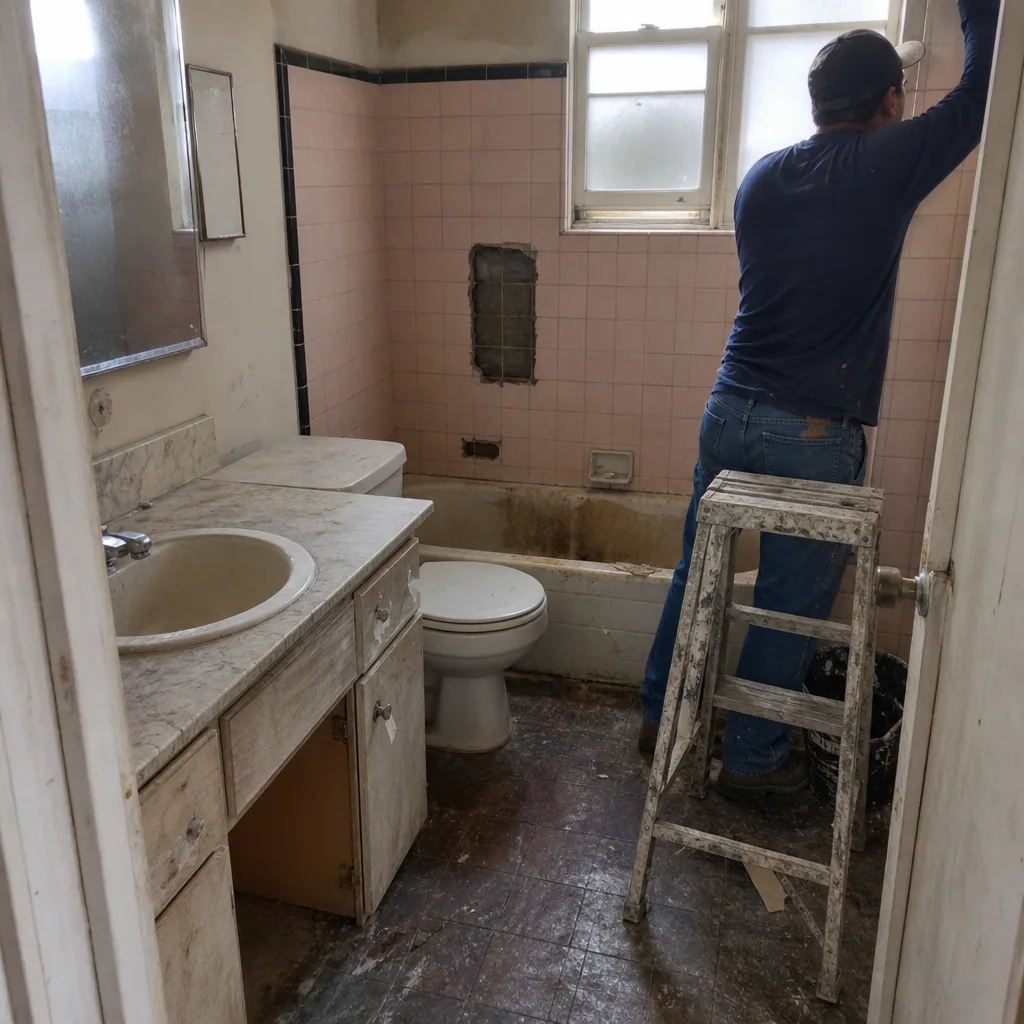 Before
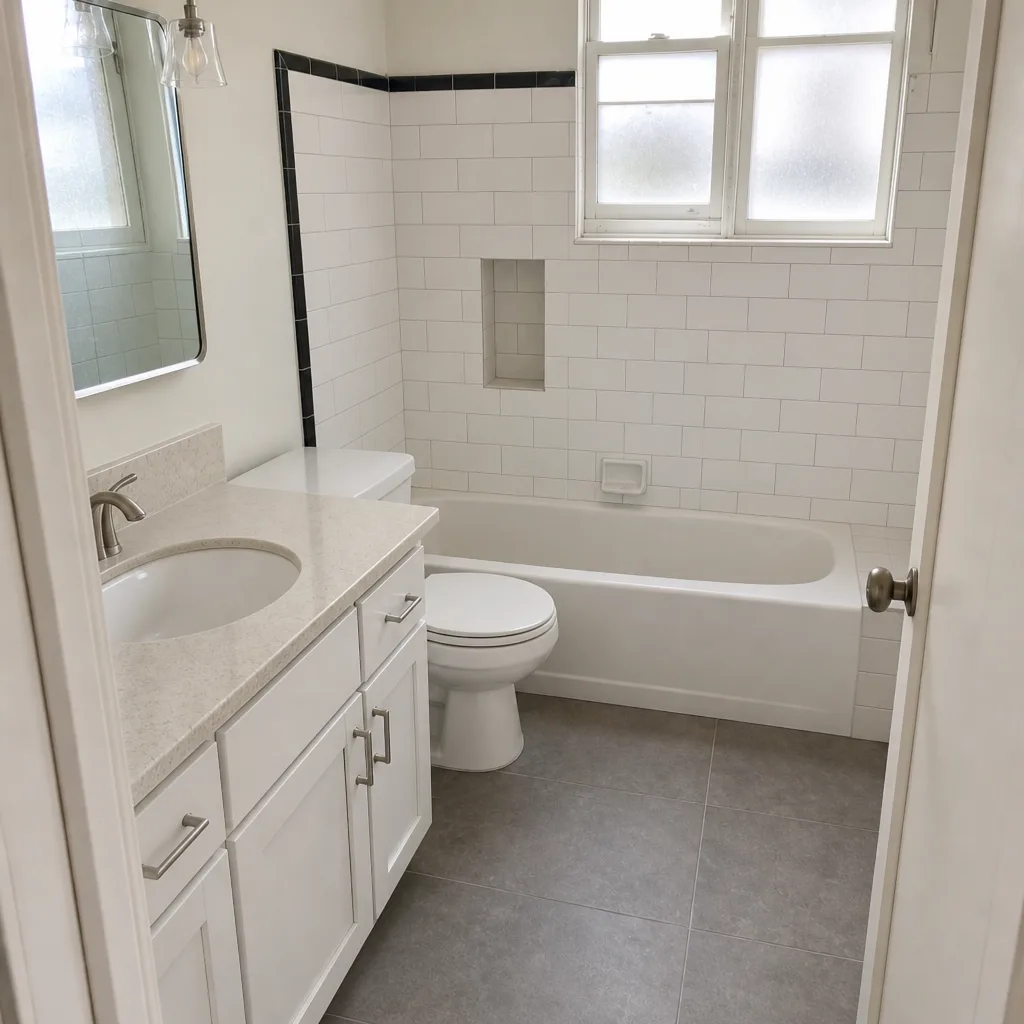 After
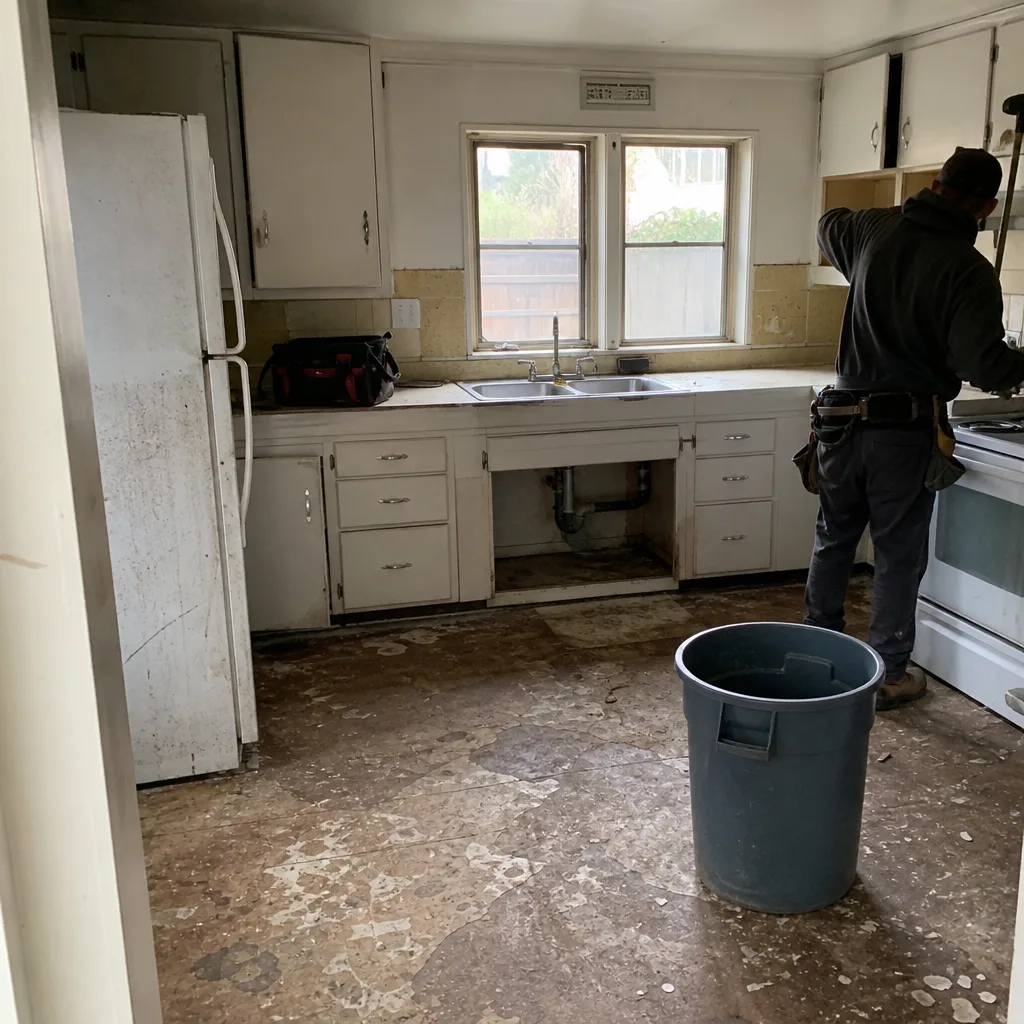 Before
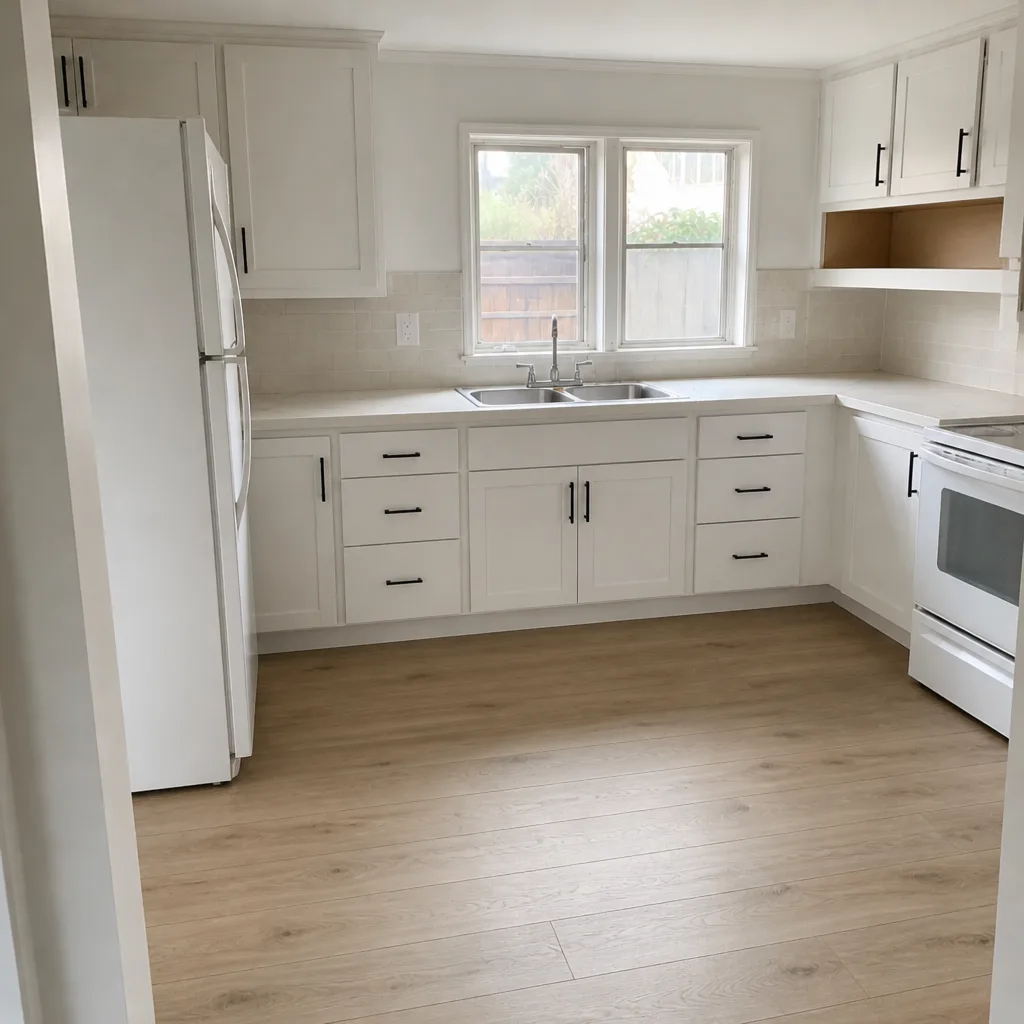 After
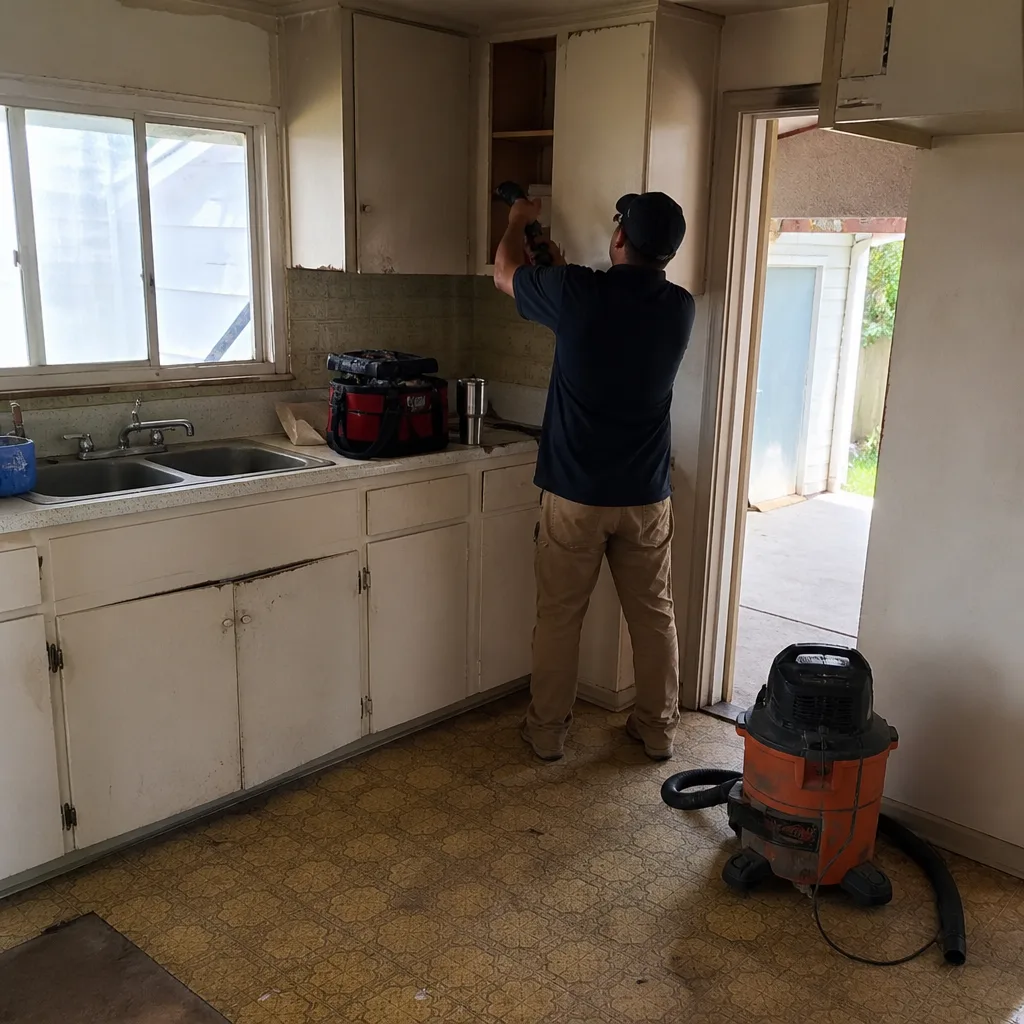 Before
 After
When to Call a Professional
Call a professional when the product needs a warranty-backed installation, when the spec has to match a licensed installer’s system, or when you’re choosing across categories and want the full product line rather than a retail subset. It’s also the right moment to call when you’re weighing a custom addition against a prefab unit and need someone to match the build method to your timeline, or when a warranty is on offer and you can’t tell what voids it.
Construction Richmond offers free estimates in Richmond. We answer questions about brand tiers, warranty terms, and which category deserves your premium budget. Call (877) 367-8617. We answer 24/7. Fast dispatch from 7am to 7pm, Sunday through Friday.
Frequently Asked Questions
No. National ratings blend results from dry, cold, and hot climates that don’t match Richmond’s sustained coastal moisture and strong UV, so the top-ranked brand may not be the best fit for your house. Use the ranking as a starting point, then filter for moisture resistance, UV stability, and warranty coverage that fits your site. Call (877) 367-8617 to walk through your specific project and get a free estimate.
Look at the exclusions section first, not the length. Some warranties void coverage for moisture intrusion, inadequate ventilation, or installation outside the manufacturer’s specified system, which matters for humid-climate homes. Ask who must install the product, whether the warranty transfers, and how registration works. If you want a second look, call (877) 367-8617 for a free estimate.
Yes, often. Many manufacturers sell a retail line and a contractor line under the same name, and the contractor version may have a thicker core, better hardware, and a longer warranty. Ask which line is being quoted so you’re comparing the same product. Call (877) 367-8617 to get an itemized, written estimate on the contractor line for your project.
Spend up on long-life, high-cost-to-redo items like roofing, windows, cabinets, countertops, and plumbing fixtures, and mid-tier is often enough for paint, standard drywall, and basic trim. That allocation gives you the best real-world result for the budget. Call (877) 367-8617 to get a category-by-category recommendation for your home, with free estimates.
They give you access to full product lines, proper warranty registration, and a contractor who can go back to the manufacturer on your behalf if a product underperforms. They also reduce mid-project substitutions and change orders. Call (877) 367-8617 for a free estimate and we’ll walk you through the brand options for your scope.
Most cities require a permit for roofing, window replacement, and structural changes, and the product spec usually has to match the approved plans. Ask your local building department what applies to your project. When we quote the work, we confirm the permit path. Call (877) 367-8617 for a free estimate and we’ll walk through the permit side with you.
The Bottom Line
The right construction brand in Richmond is the one that fits your climate, your house, and your budget, not the one that wins a national popularity contest. Filter every product for moisture resistance, UV stability, and warranty coverage that actually pays out in a humid coastal climate. Match contractor-grade products to long-life, high-cost items and save the premium spending for where it matters. And work with a contractor whose brand relationships give you the full product line, proper warranty registration, and someone accountable if something fails. Do all that and the brand decision becomes a fit decision, which is the only decision that holds up over time.
Call (877) 367-8617 for a free estimate. We answer 24/7. Fast dispatch from 7am to 7pm, Sunday through Friday, closed Saturday.
Written by the team at Construction Richmond.