
Last updated November 17, 2026
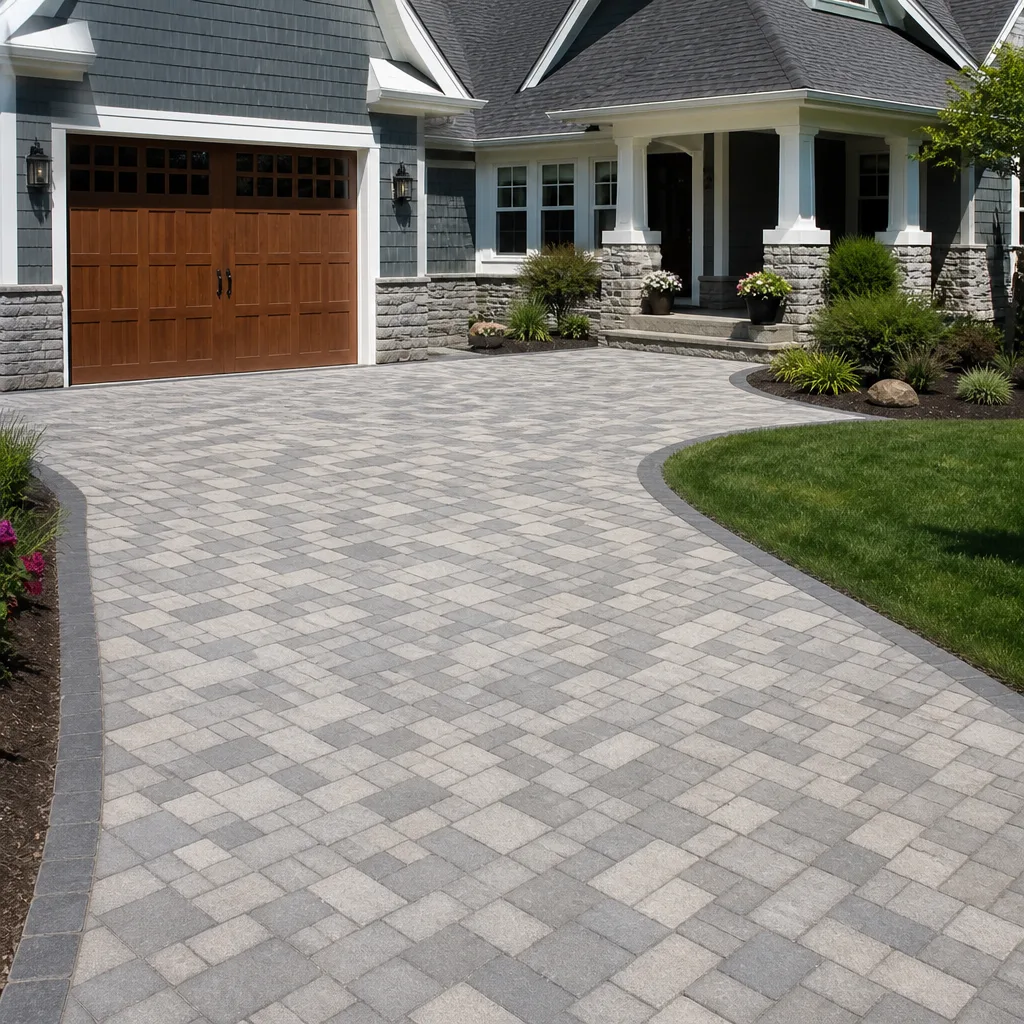 Driveway & pavers
 Kitchen remodeling
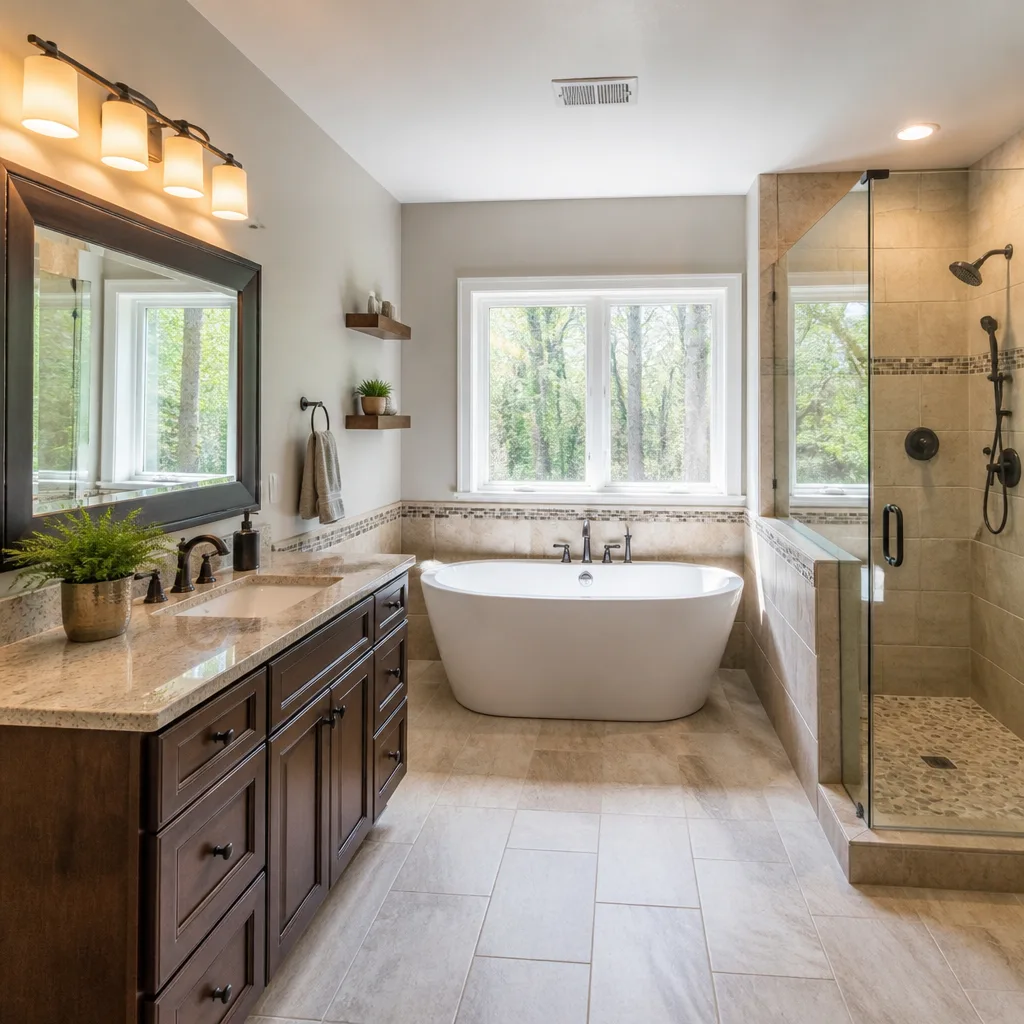 Bathroom remodeling
 Home additions & ADU
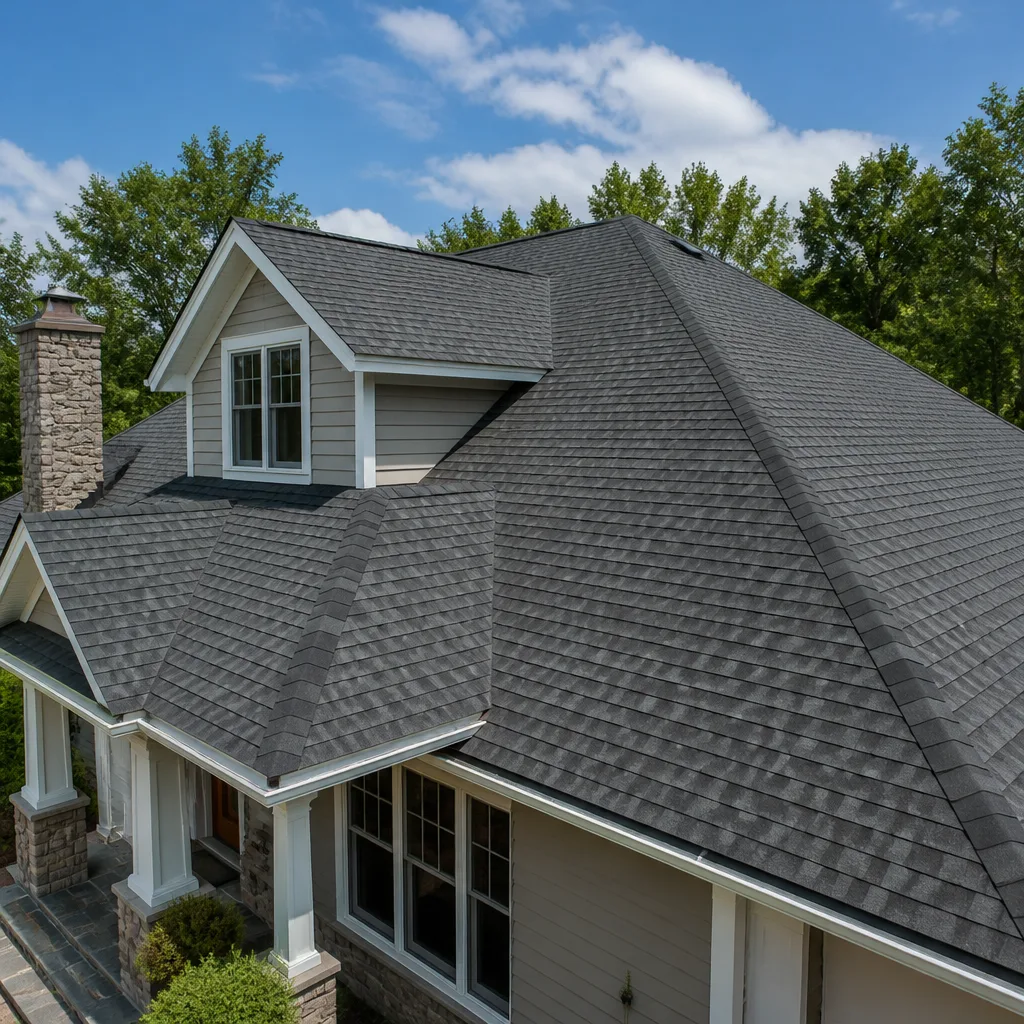 Roofing
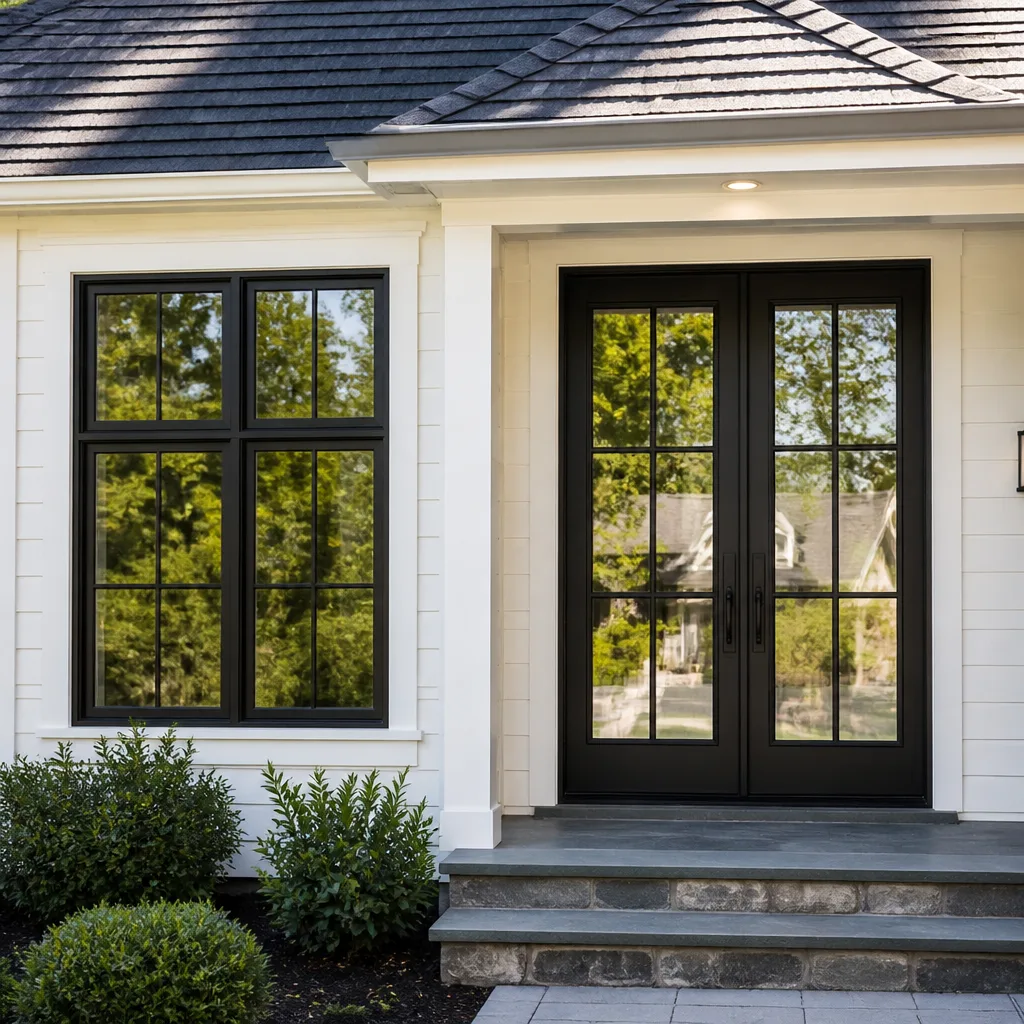 Windows & doors
 Fence
Free written scope consultation - allowances, timeline, and change-order rules on paper before a single trade is scheduled
The Complete Driveway & Pavers Guide for Richmond Homeowners
Most driveway advice you’ll find online was written for a climate that isn’t yours and a soil profile that doesn’t exist here. In Richmond, the ground under your driveway is the whole story. Expansive clay moves with the seasons, and a paver system that’s “good enough” for a national audience will show its failures in your Richmond driveway by year three: rocking pavers, sand washing out of the joints, ruts where the car parks. This guide walks through what actually holds up on Richmond soil, from how deep the base needs to go, to which pavers suit a seismically active, fog-cooled corner of the East Bay, to the permits and sequencing that keep the job from going sideways. If you want a driveway that reads the same in year ten as it did on install day, start here.
Quick Answer
A durable driveway in Richmond starts with a deep, well-compacted aggregate base sized for expansive clay soil, not a thin sand bed over native dirt. Paver choice matters less than base preparation and drainage, and a permit is typically required for a new or widened driveway connection. Get a written, line-item estimate that specifies base depth, compaction, edge restraint, and joint sand, because that’s where most driveway problems begin.
Styles & brands we work with
- Kitchen remodeling
- Bathroom remodeling
- Home additions & ADU
- Roofing
- Windows & doors
- Driveway & pavers
- Fence
Table of Contents
- Why Richmond’s Clay Soil Changes Everything
- How Deep Does the Base Really Need to Go?
- Concrete vs. Clay Brick vs. Porcelain Pavers
- Fog, Moisture, and Choosing the Right Sealer
- Permits, Setbacks, and Richmond Rules
- Sequencing Driveway Work With Other Exterior Projects
- Curb Cuts, Grading, and Drainage That Works
- What Drives the Cost of a Paver Driveway?
Why Richmond’s Clay Soil Changes Everything
Richmond sits on the kind of expansive clay that swells when it’s wet and shrinks when it dries. That movement doesn’t stay neatly underground. It pushes up against anything rigid sitting on top of it, which is why a driveway installed over a shallow base develops cracks, heaves, and sunken sections far sooner than the same driveway on stable, sandy ground. Homeowners who move here from other parts of the country often expect the same install to behave the same way. It doesn’t.
The reason is simple physics. Clay holds water. When that water leaves in the dry months, the soil contracts and the surface above it settles unevenly. When the rains return, it expands again. A paver driveway built with a flexible, interlocking system and a properly compacted granular base can absorb some of that movement. A rigid slab cannot, and that’s why concrete driveways in Richmond are prone to cracking along the seams where the soil moves most.
What this means for your project:
- Base depth is not negotiable. The aggregate layer has to be deep enough and compacted in lifts, not dumped and smoothed.
- Drainage has to be designed, not assumed. Water needs somewhere to go that isn’t straight down into the clay.
- Edge restraint does real work. Without it, the paver field spreads and the joints open.
- Geotextile fabric helps. A separation layer keeps fine clay particles from migrating up into your clean aggregate base.
In our experience working with Richmond properties, the difference between a driveway that lasts and one that fails early almost always comes down to what’s under the pavers, not the pavers themselves. You can buy the best paver on the market and install it badly, and you’ll have a bad driveway.
How Deep Does the Base Really Need to Go?
On stable, well-draining soil, a base of four to six inches of compacted aggregate is often quoted. On Richmond’s expansive clay, that depth is usually too thin to absorb seasonal movement. A properly designed base here is deeper, compacted in lifts of a few inches at a time, and often reinforced with a geotextile separation layer between the native soil and the clean crushed stone.
The installation method matters as much as the depth. A base that’s dumped in one pass and run over with a plate compactor looks fine on the surface and behaves poorly underground. Here’s how a durable base is actually built, step by step:
- Excavate to the right depth. The finished paver surface needs to sit flush with existing hardscape and thresholds, so excavation depth is calculated from the finished height, not the other way around.
- Grade for drainage. The subgrade is shaped so water moves away from the house and toward the street or a drainage feature, typically a slope of about two percent.
- Lay down a separation fabric. This keeps clay fines from pumping up into the base over time.
- Place aggregate in lifts. Each lift is compacted before the next goes down. Skipping this step is the single most common shortcut.
- Check compaction and grade. A proper installer verifies both before any bedding sand or pavers go down.
- Set edge restraints. These lock the paver field in place and are what keep joints from opening over time.
- Lay bedding sand and pavers. Bedding sand is screeded to a consistent, thin depth, never used to level out a bad base.
- Compact and fill joints. The finished surface is compacted and joint sand is worked in, then topped off after settling.
- Seal after curing. Sealer goes on only after the pavers and joint sand have had time to settle and dry.
If a quote you receive doesn’t specify base depth, compaction method, or edge restraint, that’s not a finished estimate. It’s a guess. For a full breakdown of what a proper system looks like, see our page on driveway & pavers.
Concrete vs. Clay Brick vs. Porcelain Pavers
Richmond doesn’t have to worry about hard freezes, which opens up material options that wouldn’t survive in colder parts of the country. But the combination of seismic activity and expansive soil narrows the field in a different way. Here’s how the three main choices compare on actual Richmond conditions.
Concrete Pavers
Concrete pavers are the workhorse of the category. They’re interlocking, flexible under movement, and come in a wide range of shapes and colors. On Richmond’s clay, the flexibility is a real advantage over a poured slab. Good concrete pavers from brands like Belgard, Tremron, or Cambridge Pavers hold color well and resist abrasion. They do absorb some moisture, so sealer choice matters in our foggy climate.
Clay Brick Pavers
Clay brick is the most dimensional and traditional option, and it holds color permanently because the color goes all the way through. In a seismically active area, brick’s rigidity means it depends more heavily on a well-built base and proper edge restraint to perform. Installed correctly, clay brick pavers are among the most durable driveway options available.
Porcelain Pavers
Porcelain pavers have gained a real foothold in modern landscape design. They resist staining, hold their finish, and handle moisture well, which suits Richmond’s fog. The tradeoff is cost and installation sensitivity: porcelain is thinner and more brittle, so it needs a meticulous base and careful handling. It’s not a budget choice, but on the right project it delivers a finish nothing else matches.
- Flexible systems (concrete, clay brick set in sand): better at absorbing soil movement in seismically active ground.
- Porcelain: excellent finish and stain resistance, but requires the most exacting base work.
- Poured concrete slabs: rigid and prone to cracking across Richmond’s clay seams; the least forgiving of the three.
Whichever material you choose, the brand bench matters. Companies that carry a deep lineup of paver brands like Belgard, Unilock, Techo-Bloc, Tremron, and Cambridge Pavers give you real choices in color, format, and performance tier, rather than one spec you have to accept.
Fog, Moisture, and Choosing the Right Sealer
Richmond’s marine-influenced climate means cool, damp mornings and a long fog season that keeps surfaces wet longer than inland East Bay neighborhoods. That moisture is the single biggest factor in how a paver driveway ages here. It affects joint sand, sealer adhesion, and how long a freshly installed driveway needs to cure before you can drive on it.
Why sealer choice is climate-specific
Sealer does two jobs: it locks in the joint sand and it slows moisture absorption into the paver surface. In a wet, foggy climate, the wrong sealer traps moisture underneath or fails to cure properly, which leads to hazing or peeling. The right sealer is breathable, allows moisture to escape, and is applied only when the pavers are thoroughly dry. That last point is easy to get wrong here, because the pavers may look dry on the surface while holding moisture down in the joints.
Joint sand stability
Joint sand is what locks the pavers together. In a foggy climate, sand washes out more slowly than in heavy rain, but it still settles. A good installer tops joints off after the first settling period and again at the end of the first wet season. Moving to a polymeric joint sand, which hardens slightly once activated, can reduce washout further. On Richmond clay, that stability matters because a settled joint exposes the base to moisture.
Sealer application timing
- Let the pavers and joint sand settle and dry completely before sealing.
- Apply sealer on a day when the forecast is dry and temperatures are moderate.
- Avoid sealing in the morning when fog is heavy or the surface is wet with dew.
- Reapply or touch up on the schedule the sealer maker specifies for a wet climate.
For homeowners thinking about the whole exterior of the home together, sealer longevity and material choice should be part of a larger plan that also accounts for siding and trim. James Hardie siding, for instance, is engineered for moisture exposure in a way that pairs well with the same sensible approach you’d apply to the driveway.
Permits, Setbacks, and Richmond Rules
Permit requirements vary by jurisdiction and change over time, so the only reliable answer is the one your local building department gives you. In general, a new driveway, a widened driveway, or a new curb cut where your driveway meets the street typically requires a permit and, in some cases, a separate encroachment approval from the city’s public works or transportation department. Resurfacing or re-laying pavers within an existing footprint sometimes doesn’t, but “sometimes” is not a safe assumption to build a project on.
Here’s what to confirm before any paver work begins on a Richmond property:
- Whether a permit is required for a new driveway, a widened driveway, or a change to the curb cut.
- What setbacks apply between the driveway and property lines, and whether the driveway can sit right up to the property edge.
- Maximum allowable width and whether the driveway can flare at the street or needs to remain a consistent width.
- Impervious surface limits. Some cities limit how much of a lot can be covered by hardscape, which can affect both driveway size and choice of permeable pavers.
- Drainage requirements. How runoff must be directed, and whether it can discharge to the street or must be handled on-site.
Ask the building department directly, in writing if you can, and get the answer before anyone starts digging. A written, line-item estimate from a contractor who pulls the permit and stands behind the inspection is worth more than a slightly lower bid from someone who skips the paperwork. The same principle applies across every exterior trade, from a fence installation at the property line to a new roofline.
Sequencing Driveway Work With Other Exterior Projects
A driveway rarely gets replaced in isolation. Homeowners in Richmond often tackle the driveway at the same time as fencing, siding, roofing, or an addition, and the order of operations matters more than most people expect. Do the sequencing wrong and you’ll pay to rework finished surfaces. Do it right and each phase sets the next one up correctly.
Here’s a sequencing order that generally works:
- Plan the full scope first. Decide what’s changing at the property line, at the roofline, and around the driveway before breaking ground on any of it.
- Handle major grading and drainage first. Any change to the property’s slope, downspouts, or drainage swales affects the driveway base.
- Complete structural and roof work before the driveway goes in. Roofing and siding work produces debris and staging that can damage fresh pavers.
- Install fencing and hardscape edges next. Fencing at the property line fixes where the driveway can end and shapes the front yard around it.
- Finish with the driveway and sealing. Pavers, curb cuts, and sealer come last so they stay clean.
- Then move to landscaping. Beds, plantings, and lawn repair come after hardscape is done.
One contractor coordinating all of this removes the classic headache of three trades blaming each other when the finished driveway doesn’t meet the new fence line. When the driveway connects to a new addition, or to prefab options for a backyard home additions & ADU, the sequencing gets more complex, not less. Getting a single written scope for the whole property is the cleanest path.
Curb Cuts, Grading, and Drainage That Works
The curb cut is where your driveway meets the street, and it’s the most overlooked part of a driveway project. It’s also where Richmond’s clay and marine air combine to make trouble. A poorly built curb cut funnels water against the base, erodes the edge, and can cause the street-side pavers to settle. Getting it right requires an accurate cut to the city’s spec, a proper apron, and drainage that moves water away rather than trapping it.
What a properly built driveway edge and drainage system includes:
- An accurate curb cut matched to the city’s spec, with the apron sloped so water drains to the street rather than back toward the pavers.
- Correct cross-slope across the width of the driveway so water doesn’t pool in the middle.
- Downspout and roof runoff routed away from the driveway surface and the base underneath it.
- A channel drain or trench drain where the driveway sits below the surrounding grade and water has nowhere else to go.
- Permeable paver options where impervious surface limits or drainage make them worthwhile.
This is where Construction Richmond earns its place on a project this coordination-heavy. One team handling the grading, the pavers, the fence line, and the exterior trim means the drainage from the roof doesn’t get designed in isolation from the driveway it lands on.
What Drives the Cost of a Paver Driveway?
Every driveway is priced per job, and the written estimate sets the final number. Since every property in Richmond is different, we won’t put price ranges on this page that would be misleading on your specific site. What we can do is explain exactly what goes into a paver driveway estimate, so you can compare bids on equal terms.
Here’s what actually drives cost up or down on a paver driveway:
- Square footage. The obvious driver, and usually the largest line item.
- Base excavation depth and haul-away. Richmond’s clay means deeper excavation and disposal of the removed soil, which adds cost.
- Compaction and separation fabric. Proper base preparation is labor-heavy but essential, and it’s where a cheap bid usually cuts corners.
- Paver material and format. Basic concrete pavers sit at the lower end; clay brick and porcelain pavers sit higher.
- Edge restraint and joint sand. Polymeric joint sand and metal edge restraints cost more than basic sand and plastic edging, and they last longer.
- Drainage additions. Channel drains, permeable pavers, or regrading to move water away from the house carry their own cost.
- Existing hardscape removal. Removing and disposing of an old concrete slab adds to the project.
- Curb cut and permit fees. Where the driveway meets the street, expect permit and approval costs on top of construction.
- Sealing. Sealer isn’t just cosmetic in a foggy climate; it’s part of the finished system, so it should be in the estimate.
When comparing bids, ask each contractor to break out these line items. A quote that’s just a single number for the whole driveway tells you almost nothing about what you’re actually getting. Every estimate we provide is written line-item style, so you can see exactly what’s included and what isn’t. If a contractor’s number comes in far below everyone else’s, ask what they’re leaving out of the base. That’s usually where the answer is.
Common Mistakes to Avoid
- Accepting a shallow base. A thin base over Richmond’s clay looks fine at first and starts moving within a couple of seasons. Insist on a compaction method and separation layer in the scope.
- Skipping the permit. A new or widened driveway usually needs a permit and a curb cut approval. Doing it without one can mean redoing the work later.
- Sealing pavers while they’re wet. In Richmond’s fog, this is an easy mistake. Sealing a damp surface traps moisture and causes hazing that doesn’t come out.
- Ignoring drainage. Water that pools against the house or undermines the base will find its way back to the surface. Route it away from day one.
- Cutting corners on edge restraint. Without it, the paver field spreads and joints open at the edges, just like the rest of the driveway.
- Sequencing the driveway before the fencing and roofing. Debris and staging damage fresh pavers. Finish the disruptive trades first.
- Choosing a paver by looks alone. Format and finish matter, but base compatibility and edge stability do more for longevity in Richmond than any color choice.
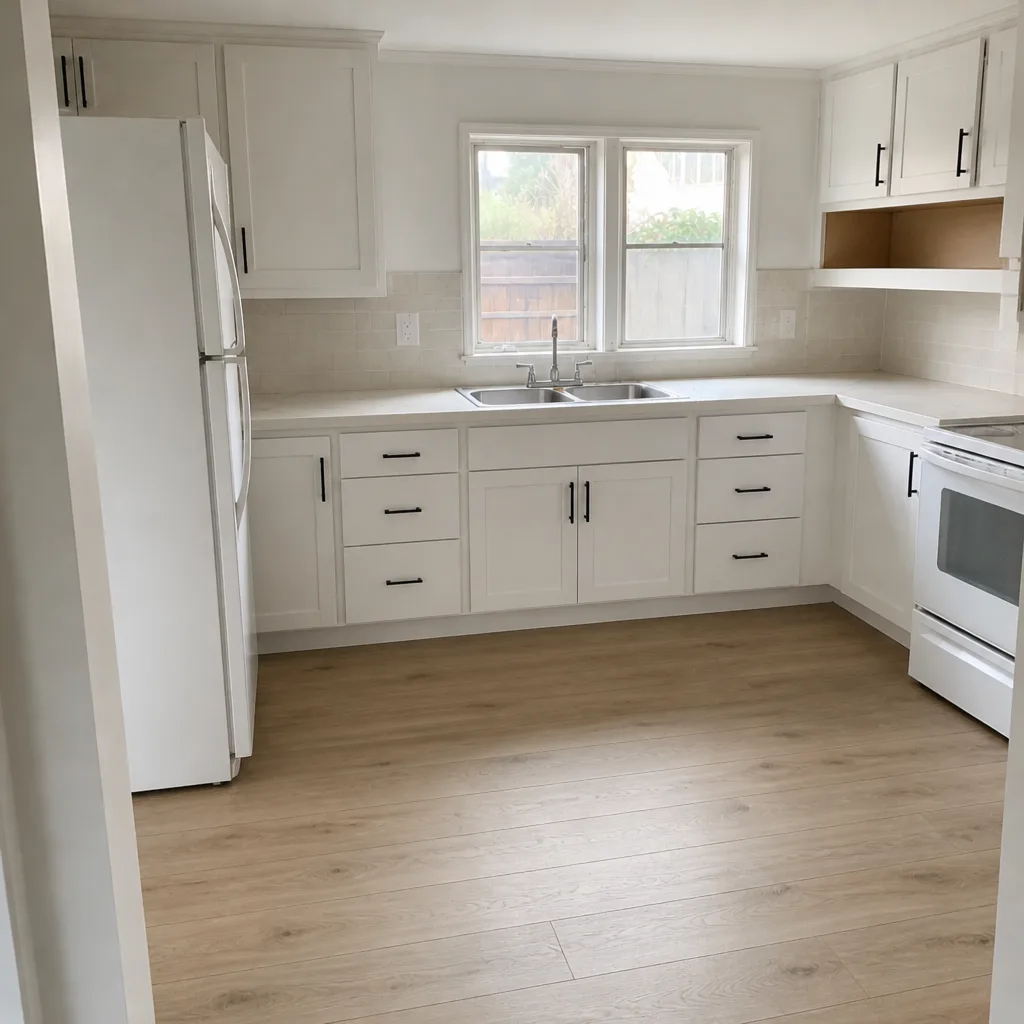
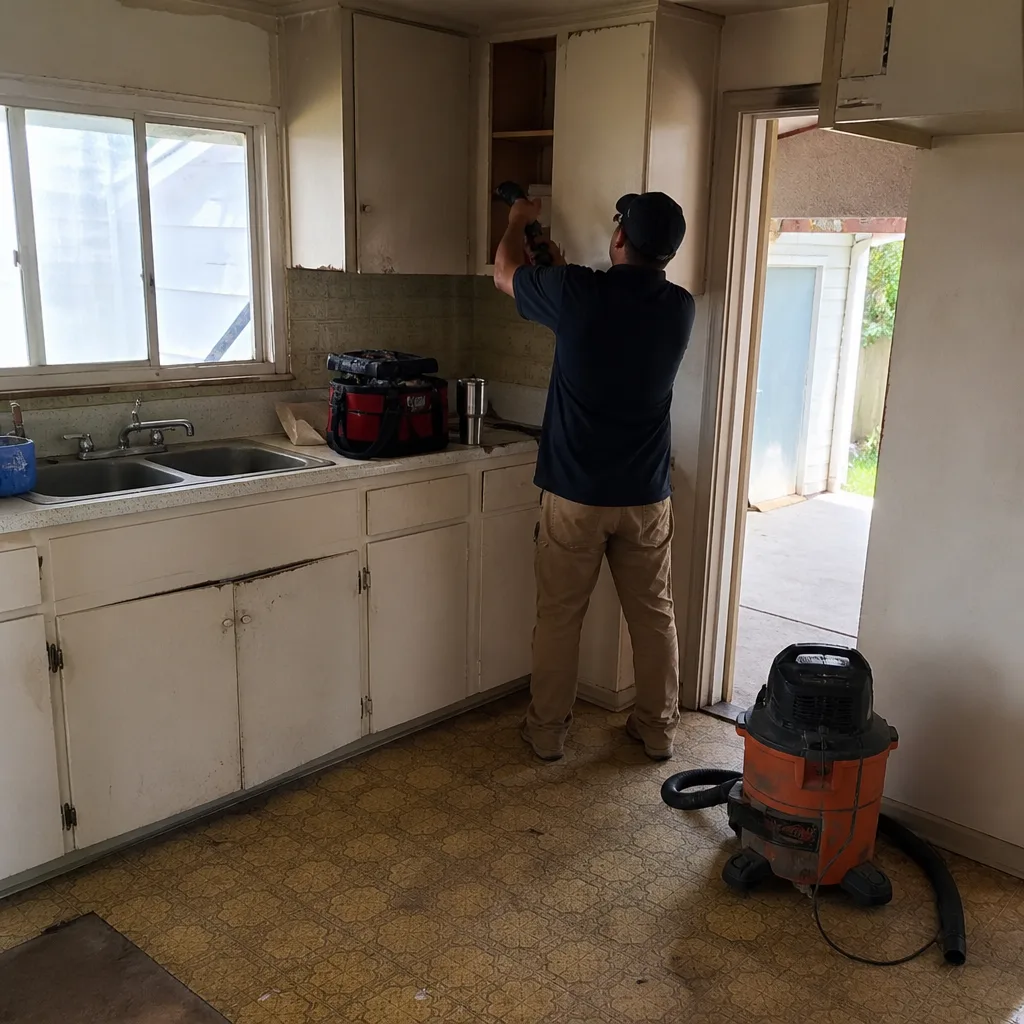
See the difference
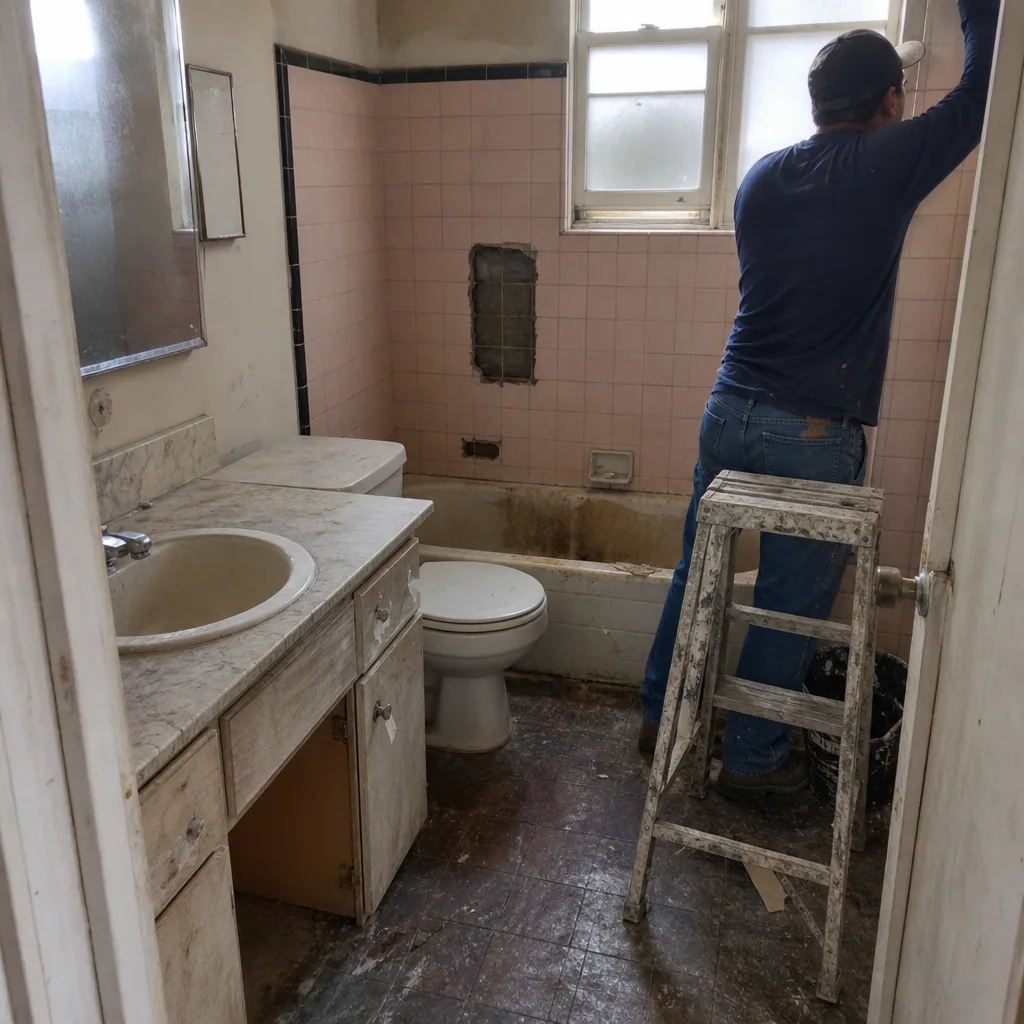 Before
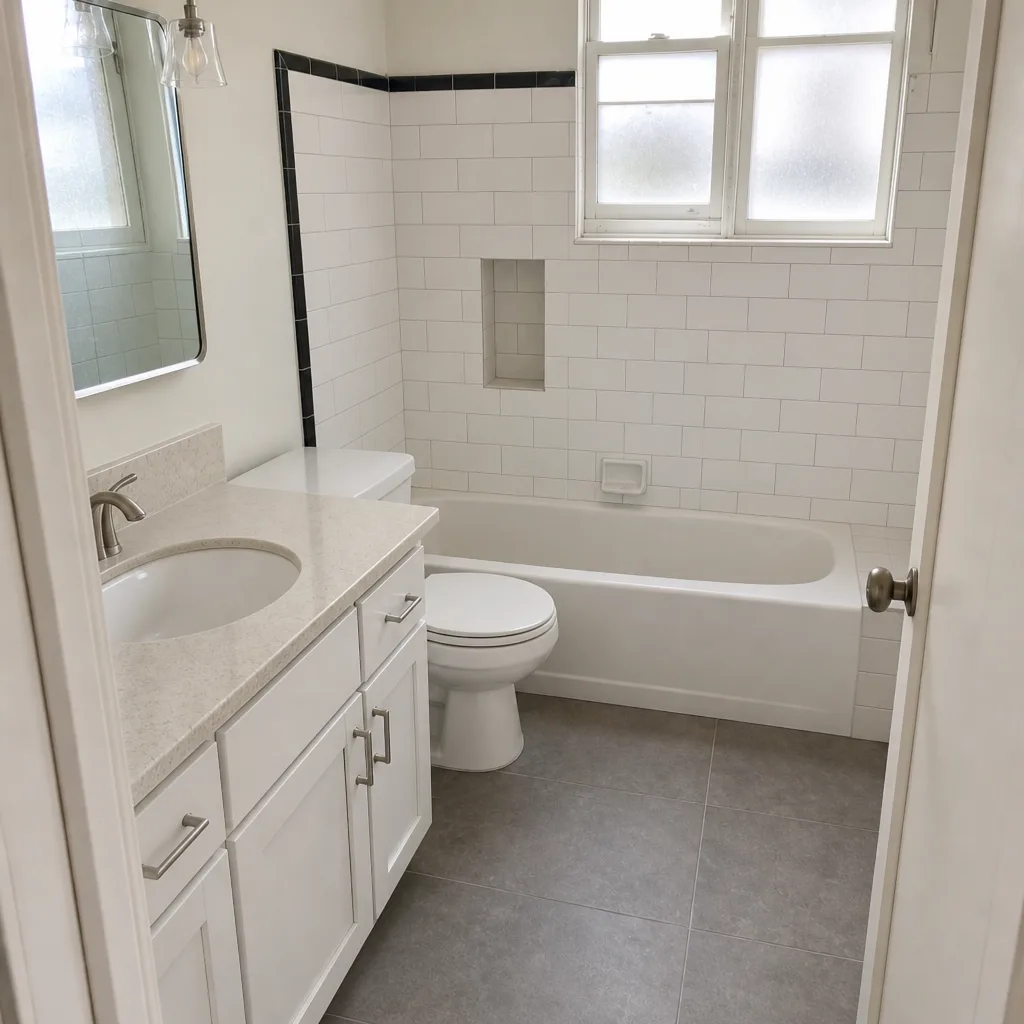 After
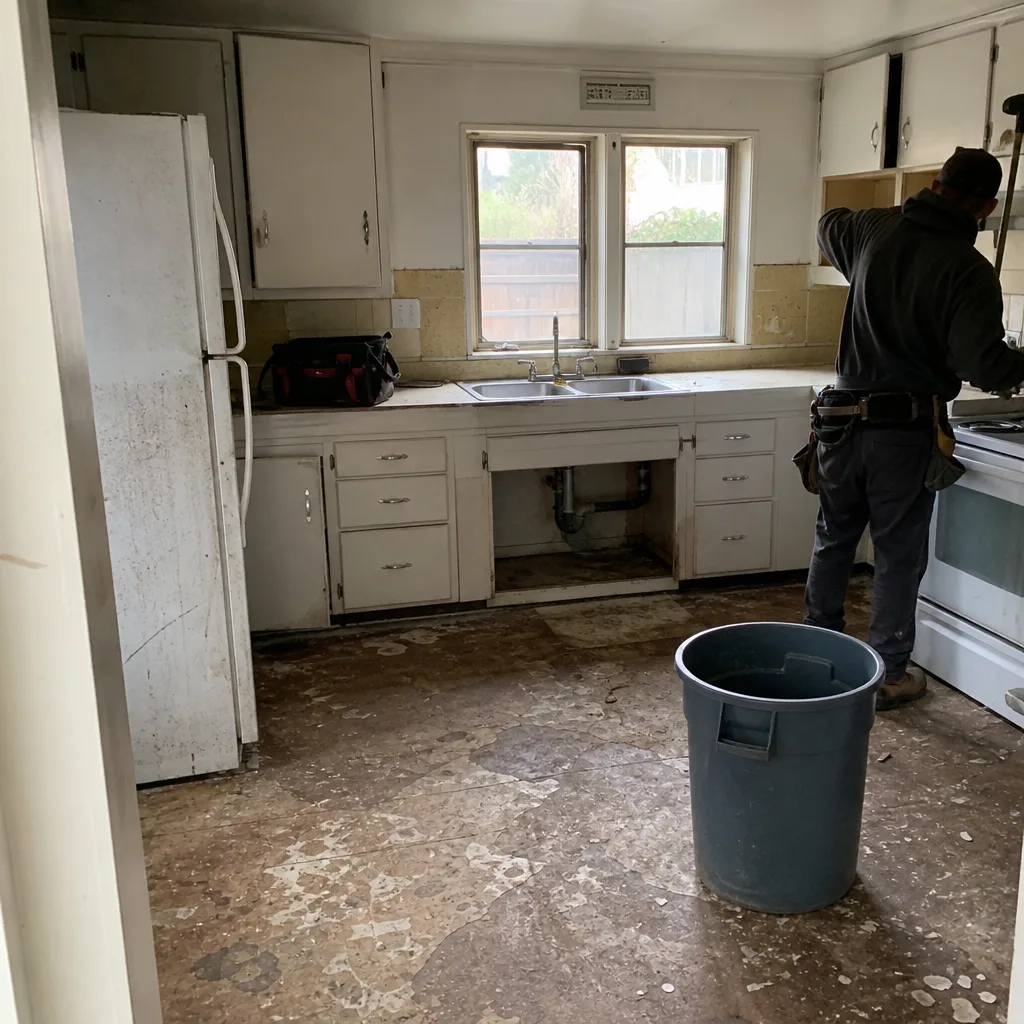 Before
 After
 Before
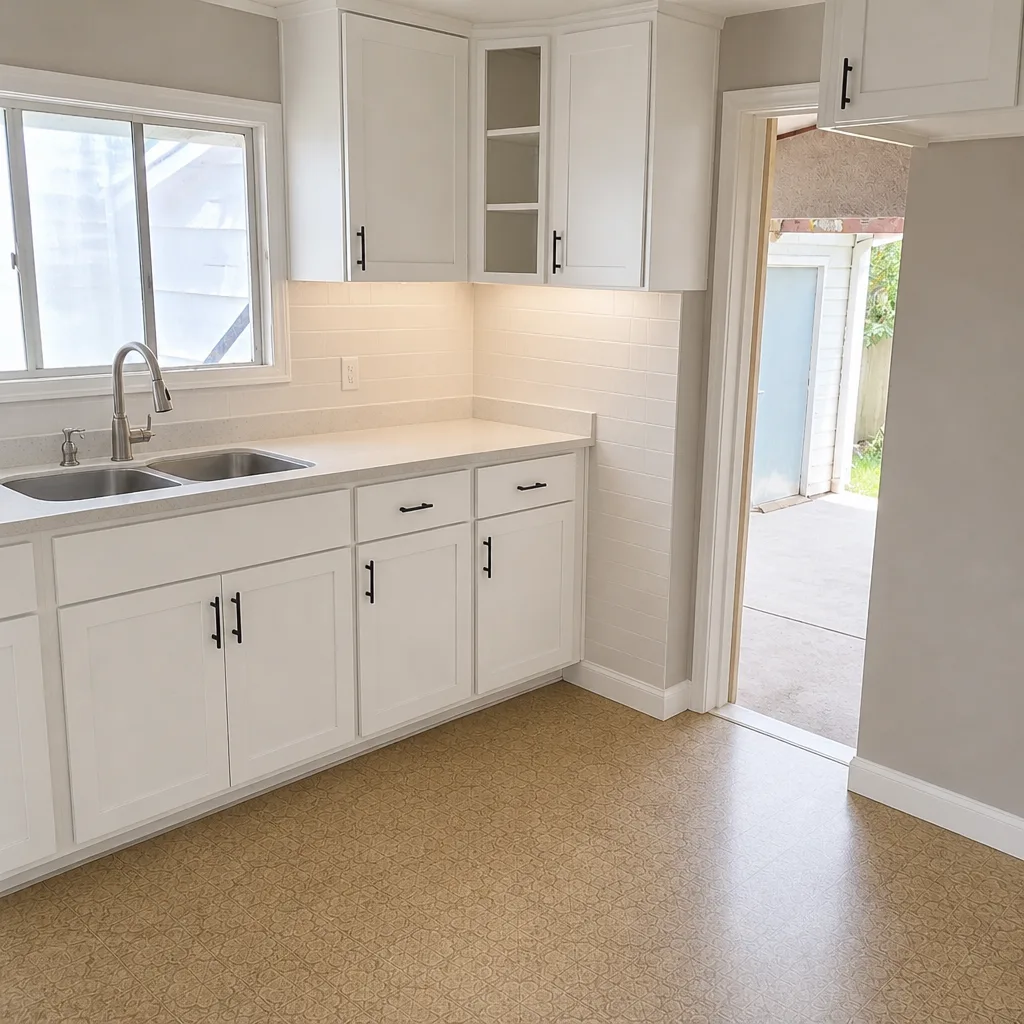 After
When to Call a Professional
Some driveway fixes are DIY-friendly, like sweeping sand into a settled joint or replacing a single cracked paver. The bigger calls aren’t. Call a professional when the base is the problem (heaving, sinking, ruts that recur after each dry season), when the driveway meets the street at a curb cut that needs a permit, when drainage is pushing water against the house, or when the driveway is part of a larger exterior project you want sequenced correctly. Our technicians have up to 11 years of experience with paver systems built specifically for soil conditions like Richmond’s. Construction Richmond offers free estimates in Richmond, and we can walk the property with you before anything is quoted. Call (877) 367-8617 to schedule yours.
Frequently Asked Questions
A properly built base in Richmond is deeper than a standard national spec because of the expansive clay soil, typically installed in compacted lifts of a few inches at a time with a geotextile separation layer. The exact depth depends on your property’s native soil and drainage, which is why a site assessment matters more than a one-size-fits-all number. Call (877) 367-8617 for an exact quote. Estimates are free.
A new driveway, a widened driveway, or a change to the curb cut where the driveway meets the street usually requires a permit and, in many cases, an encroachment approval from the city. Resurfacing within an existing footprint sometimes doesn’t, but you should confirm with the building department before any work begins. Call (877) 367-8617 and we’ll walk through the permit question as part of your free estimate.
Concrete, clay brick, and porcelain all perform well in Richmond when installed on a properly prepared base, since the mild climate avoids hard freezes that stress most pavers. Clay brick and quality concrete pavers offer the best combination of flexibility and durability in seismically active ground, while porcelain delivers the cleanest modern finish at a higher cost. Call (877) 367-8617 to talk through which material fits your project.
Sealer needs reapplication more often in a foggy climate than in a dry one, because damp conditions break down the sealer film faster and joint sand is exposed to moisture for longer periods. The right interval depends on the sealer and the traffic the driveway sees, so it’s worth having a contractor check it each year. Call (877) 367-8617 for a free assessment.
A properly scoped driveway shouldn’t come with mid-project surprises if the estimate was written as a line-item breakdown of base prep, compaction, pavers, edge restraint, drainage, and permits. Fixed pricing with no change orders is how we work, which is why we document each phase in the written estimate before any work begins. Call (877) 367-8617 for a free, written line-item quote.
Most residential driveway projects run several days to a couple of weeks, depending on square footage, base excavation, drainage additions, and whether an existing hardscape has to be removed. Sealing adds another step after the pavers and joint sand have settled and dried. We answer 24/7 and dispatch from 7am to 7pm, Sunday through Friday, so you can call when it’s convenient for you and we’ll get you scheduled.
The Bottom Line
Richmond’s expansive clay, seismic activity, and marine fog aren’t a reason to skip a paver driveway. They’re a reason to build one the right way. The base has to be deep enough and properly compacted, the drainage has to be designed rather than assumed, the material has to fit the climate and the ground, and the permits have to be pulled and pass inspection. Get those four things right and you’ll have a driveway that holds up on Richmond ground for years. Skip any one of them and you’ll be redoing the work sooner than you think. One contractor coordinating the whole exterior scope, from the driveway to the roofline, keeps all four in step.
Call (877) 367-8617 for a free estimate. We answer 24/7. Fast dispatch from 7am to 7pm, Sunday through Friday. Every quote is written line-item style, fixed pricing with no change orders, permits pulled and inspections passed, and you get real material choices from brands that back their work. Whether you’re planning a driveway replacement on its own or a full-property upgrade, our team can walk the property with you and map out the sequencing before anything is quoted.
Written by the team at Construction Richmond.