
Last updated November 17, 2026
 Driveway & pavers
 Kitchen remodeling
 Bathroom remodeling
 Home additions & ADU
 Roofing
 Windows & doors
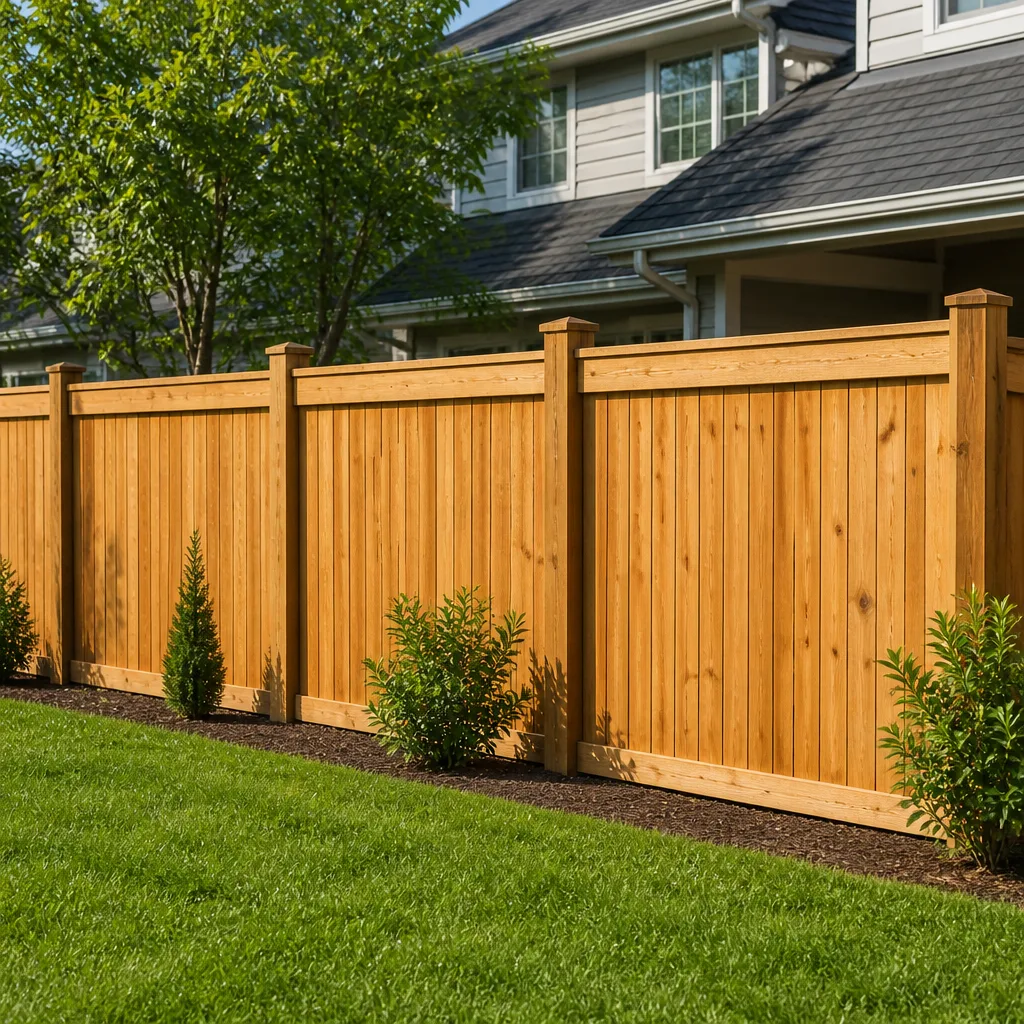 Fence
Free written scope consultation - allowances, timeline, and change-order rules on paper before a single trade is scheduled
Driveway & Pavers Maintenance Checklist for Richmond Homeowners
Most paver maintenance advice you’ll find online was written for places with hard winters. It warns about freeze-thaw cycles cracking stones and heaving bases. Richmond doesn’t work that way. Our winters are mild, but they’re wet, and the real damage here comes from sustained rain soaking into joints, clay soil moving underneath, and a mineral film called efflorescence that fools homeowners into buying sealer they don’t need. This checklist is built around what actually degrades a driveway in Richmond, month by month, so you can stop guessing and start fixing the right things. We’ll cover inspection timing, joint sand, sealing, drainage, and the warning signs that mean your base, not your surface, is the problem.
Quick Answer
In Richmond, paver driveways fail most often from water, not cold. The core maintenance routine is: inspect joints and edges before the wet season in October, keep joint sand topped up so water sheds off the surface instead of into the base, clean efflorescence as it appears rather than sealing over it, and check drainage pathways after every heavy rain stretch. A well-maintained paver driveway in Richmond should be inspected twice a year and re-sanded roughly every two to three years, with full base repairs only when you see true settling or rocking stones.
Styles & brands we work with
- Kitchen remodeling
- Bathroom remodeling
- Home additions & ADU
- Roofing
- Windows & doors
- Driveway & pavers
- Fence
Table of Contents
- Why Richmond Driveways Fail Differently
- The Wet Season Checklist: November Through March
- The Dry Season Checklist: May Through October
- Efflorescence vs. Base Moisture: How to Tell Them Apart
- Joint Sand Inspection on Richmond’s Clay Soil
- Which Sealers Hold Up in Richmond
- When Re-Sanding Becomes a Full Base Repair
- Matching Maintenance to Your Driveway Material
Why Richmond Driveways Fail Differently
Richmond sits in a climate that’s mild but genuinely wet from late fall through early spring. That combination changes the failure sequence for pavers. In a cold climate, water gets into joints, freezes, expands, and pops stones loose over one or two winters. In Richmond, the water never freezes, so it just keeps soaking. It works its way through the joint sand, into the bedding layer, and down toward the compacted base. Nothing dramatic happens for a season or two, and then you notice a low spot, a stone that rocks when you step on it, or a white chalky haze spreading across the surface.
The other half of the story is the soil. Much of Richmond sits on expansive clay, which swells when it’s wet and shrinks when it dries. That movement is slow and uneven, and it’s the reason a driveway can look perfectly flat in August and show a shallow dip by February. The base under a properly built driveway is designed to buffer that movement, but only if water isn’t reaching it in volume. Maintenance in Richmond is largely about controlling where water goes.
What that means in practice:
- Joint sand is your first line of defense, and it’s the thing most homeowners neglect.
- Surface staining and white haze are usually cosmetic, but occasionally they’re a symptom of water trapped below.
- Drainage at the driveway edges and at the garage apron matters more than the pavers themselves.
- Settling tends to appear in the same predictable spots from yard to yard: near downspouts, at the driveway-to-street transition, and along the low side of a slope.
If you’re starting from scratch rather than maintaining an existing surface, our driveway & pavers page covers how a base should be built for this soil and climate in the first place.
The Wet Season Checklist: November Through March
Richmond’s wet season is when damage accumulates silently. You won’t see much happening. What you will see, if you look, is water pooling in the same places after each storm. Treat November through March as an observation period and a small-repair window, not a season for big projects like sealing or re-sanding. The surface is too wet for those jobs to cure properly.
Here’s the routine we’d suggest for a Richmond driveway during the wet months:
- Walk the driveway after the first heavy rain of the season. Note where water stands for more than an hour. That’s your priority list.
- Check your downspouts. If a roof downspout empties onto the driveway or right beside it, redirect it. That single fix prevents more base damage than any sealer on the market.
- Look at the driveway-to-street transition. Water backing up from the street during storms is common in older Richmond neighborhoods, and it’s the fastest way to undermine the edge of a driveway.
- Sweep, don’t power-wash. A high-pressure washer in the wet season drives water into joints and strips out sand. A stiff broom is enough.
- Note any new rocking stones. Don’t try to fix them in wet weather. Just mark the location so you can address it in spring.
- Watch the edges. Loose edge restraint or sand washing out along the perimeter tells you the water is escaping sideways instead of draining properly.
One more thing: if you’re planning any adjacent work, like a fence or a retaining wall, the wet season is a good time to schedule it rather than a bad one. A fence installation that handles site drainage properly can actually improve how water moves across your lot, keeping runoff away from the driveway apron.
The Dry Season Checklist: May Through October
The dry season is when maintenance actually gets done. Joints dry out, sealers can cure, and re-sanding sticks. This is also when you can see settling clearly, because the ground has had a few months to dry and shrink, and any low spots reveal themselves. May through October is your window for the real work.
Here’s how to sequence it:
- Deep-clean in late spring. Sweep, then use a gentle cleaner if needed. Avoid harsh acid washes unless you’re sure of your surface. Acid can etch certain pavers and concrete products.
- Inspect and top up joint sand in early summer. You want a dry, settled surface. Fill joints to just below the bevel of the paver edges, not above.
- Address efflorescence before you consider sealing. If you seal over efflorescence, you trap it and the reappearing haze will be much harder to remove later.
- Check edges and restraints. Any paver that moves when you press the edge means the restraint has failed. That’s a repair, not a maintenance task.
- Evaluate drainage before the first fall rains. Clean gutters, check grade, and clear any swales or French drains around the driveway.
- Seal in late summer or early fall if your driveway needs it. Not every driveway does. We’ll come back to this below.
One Richmond-specific note: our dry season still gets occasional fog and coastal moisture in the mornings. Sealers need a full dry window to cure. If you’re planning to seal in September or October, watch the forecast carefully and give yourself a few days of margin rather than trying to squeeze it in between foggy mornings.
Efflorescence vs. Base Moisture: How to Tell Them Apart
Efflorescence is a white, powdery mineral deposit that appears on the surface of pavers and concrete. It happens when water moves through the material, dissolves natural salts, and deposits them on the surface as the water evaporates. In Richmond, it’s most common in spring, after months of wet weather. The key thing to understand is that efflorescence is a symptom, not a disease. Sometimes it’s a harmless one-time occurrence as a new driveway dries out. Sometimes it’s a sign that water is moving through your base on a regular basis.
Here’s how to tell the two apart:
- Efflorescence alone: the white haze wipes away with a dry brush, the pavers underneath look solid, there’s no rocking or settling, and it doesn’t return within a few weeks of cleaning.
- Efflorescence with base moisture: the haze returns repeatedly, the same stones are affected rather than a random spread, and there’s an accompanying low spot, a soft joint, or a rocking paver nearby. The efflorescence is following a water path from underneath.
The mistake we see most often is homeowners applying a sealer to stop the haze. That’s backwards. Sealing a driveway with active moisture underneath traps the water and makes the problem worse. Clean efflorescence first. Wait a few weeks. If it stays gone, you’re fine. If it comes back, address the water source, not the surface.
The industry has a term for pavers affected by ongoing moisture problems – efflorescence-prone product – and if you’re choosing new pavers you can ask about it. Brands available through our work, including Belgard, Unilock, Techo-Bloc, Tremron, and Cambridge Pavers, each publish guidance on how their products behave in wet climates. That’s one reason we carry multiple lines rather than one; some pavers tolerate wet conditions better than others, and the right spec matters more in Richmond than it does in a dry climate.
Joint Sand Inspection on Richmond’s Clay Soil
Joint sand is the fine sand that sits between the pavers and holds them locked together as a single surface. When it’s intact, water drains off the surface and into the joints at a controlled rate, where the base layer can handle it. When it washes out, water goes straight down into the base in volumes it can’t absorb fast enough. That’s when settling begins.
Richmond’s clay soil makes this worse in a specific way. Clay doesn’t drain the way sandy or loamy soil does. It holds water for long periods after rain, and it moves as it dries. So a paver driveway on a clay yard that loses joint sand tends to settle in uneven, predictable patterns rather than uniformly. The low corner. The section next to the downspout. The strip where the yard slopes toward the street.
Here’s a practical inspection routine you can run yourself each spring:
- Walk the surface with your eyes on the joints, not the pavers. Joints should be uniformly filled. A groove deeper than about a quarter inch below the paver surface is a sign sand has washed out.
- Poke a few joints with a screwdriver handle. If the sand gives way easily, top it up.
- Look for bare spots after heavy rain. New sand washout after a storm reveals where the water is concentrating, which is often an edge or lower corner.
- Mark the spots where joints are consistently losing sand faster than elsewhere. Those are the areas to watch for base issues down the road.
Re-sanding typically happens every two to three years in Richmond, more often on exposed driveways or those with a low corner where water concentrates. The best tool for the job is a joint sand that’s been formulated for the paver type – polymeric sand is stronger but requires more careful installation, while regular mason’s sand is more forgiving. Whichever you pick, it has to go in dry, on a dry surface, and be swept into joints before it sets.
Which Sealers Hold Up in Richmond
Sealers are sold aggressively, and most driveways don’t need one. If your pavers are intact, joints are filled, and your driveway drains properly, a sealer is optional. It changes appearance, extends color vibrancy, and adds a small amount of surface protection, but it does not stop settling, it does not save a failing base, and it does not replace joint sand. If you’re considering sealing in Richmond, the real question is which product type suits our UV load and damp conditions.
The two main categories are film-forming and penetrating:
- Penetrating sealers soak into the paver and resist water without leaving a visible film. They’re the safer choice in Richmond because they don’t trap moisture the way a film can, and they weather more gracefully.
- Film-forming sealers sit on the surface and give a wet or glossy look. They can yellow, blister, or peel when applied over moisture, and in Richmond’s damp spring weather, cure windows are narrow. If you want the look, they’re fine on well-drained, fully dry driveways, but they’re less forgiving here than in a drier climate.
What to avoid: cheap acrylic sealers that aren’t labeled for exterior pavers, and any product applied over visible efflorescence or on joints that haven’t been topped up. We’ve also seen problems with film sealers applied to pavers on clay soil in Richmond that ended up peeling because the base was still moving underneath. The sealer was fine; the underlying base wasn’t.
The realistic answer most Richmond homeowners land on is a light penetrating sealer every few years, not a film, and only on driveways that drain well and don’t have active moisture issues. If you’re not sure which side of that line your driveway is on, get an inspection before you buy anything.
When Re-Sanding Becomes a Full Base Repair
There’s a real line between maintenance and repair. Re-sanding and joint top-ups are maintenance. Anything involving the base under the pavers is repair, and it needs to be evaluated by someone who has seen enough driveways to know what they’re looking at. Here’s how to tell where your driveway sits.
Signs that you’re still in maintenance territory:
- Joints are thinning but pavers are stable.
- Surface has efflorescence that goes away when cleaned.
- Minor color changes across seasons, with no low spots or movement.
Signs that you’re into base repair:
- Pavers rock when you step on them or press with your hand.
- A noticeable dip that holds water for hours after rain, not just minutes.
- Joints continuing to wash out in the same location after multiple re-sanding attempts.
- Visible cracking along the surface, especially if it follows a pattern across multiple pavers.
- Edges pulling away from the restraint, or the restraint itself loose.
When a base repair becomes necessary, the work usually involves lifting pavers in the affected area, removing and re-compacting the base, re-laying, and re-sanding the joints. That’s a skilled job, and it’s the kind of work where the right base prep matters more than the pavers on top. Our technicians have up to 11 years of experience on exterior hardscape work, and the difference between a repair that lasts and one that fails within a season almost always comes down to base handling, not material choice.
Matching Maintenance to Your Driveway Material
Not every driveway in Richmond is the same, and the maintenance routine should match what you actually have. Here’s a quick breakdown of the most common surface types and what to watch for.
- Concrete paver driveways: the standard checklist applies – joint sand, efflorescence, drainage. Most maintenance is a matter of keeping joints full and water moving.
- Clay and stone pavers: joint management matters more, because these surfaces can shift slightly with wet-dry cycles. Re-sanding is often more frequent than with concrete pavers.
- Poured concrete driveways: fewer joints to manage, but cracking and surface sealing become the main concerns. Efflorescence can still appear, and drainage is just as important.
- Gravel and aggregate driveways: the whole job is edge restraint and top-up. Water damage is less catastrophic but slow erosion is common.
If your driveway needs more than maintenance – if it’s actually due for replacement or a significant upgrade – that’s a different conversation. Plenty of Richmond homeowners pair a driveway project with other exterior work at the same time, which is where a full-scope contractor helps. Roofing, windows, and driveway work all touch the same drainage issues, and coordinating them is easier than treating each as an isolated trade. Our Construction Richmond page is the starting point for that bigger scope, and we’ve seen plenty of home additions & ADU projects where driveway drainage had to be re-planned as part of the overall site work, especially when a prefab unit from a manufacturer like Mighty Buildings or Boxabl is added to the property. A driveway maintenance plan today can save you a coordination headache tomorrow.
Common Mistakes to Avoid
- Sealing over efflorescence. The sealer traps the mineral salts under a film and the problem becomes much harder and more expensive to correct. Clean and diagnose first, seal only after the surface has been dry and efflorescence-free for a few weeks.
- Power-washing instead of sweeping. A pressure washer – especially at high settings – strips joint sand out of a driveway in minutes. A stiff broom, a hose, and a proper cleaner do the job with far less damage in Richmond’s wet climate.
- Ignoring the downspout. A single downspout emptying onto a driveway can dump hundreds of gallons of water onto the surface during a heavy Richmond storm. Redirecting it is one of the highest-return fixes you can make.
- Top-up sand in the rain. Joint sand needs to go into a dry joint. Trying to fill joints during or right after rain is wasted effort, and the sand will not settle the way it should.
- Assuming settling is always cosmetic. A small dip can be the first visible sign of base failure. If water pools in the same spot for hours after rain and the dip has grown over the last two wet seasons, don’t wait – it’s worth an inspection.
- Buying sealers based on shelf labels. Marketing claims about “lifetime” protection don’t account for Richmond’s climate. Ask what type of sealer it is, how it cures, and whether it’s recommended for the specific paver type you have.
- Skipping the annual walk-through. Ten minutes once in spring and once in fall catches more problems than any single product purchase. Driveways don’t decay overnight; they decay slowly and then present all at once.
See the difference
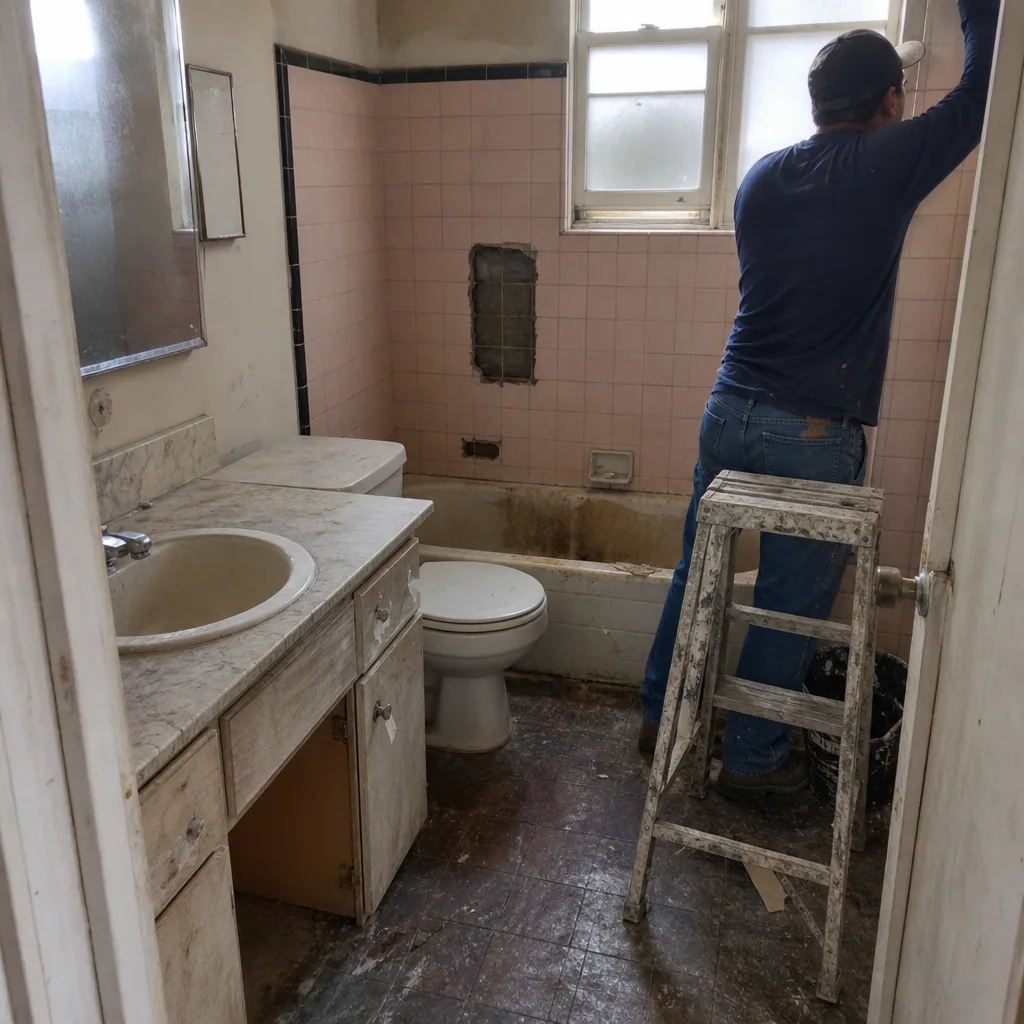 Before
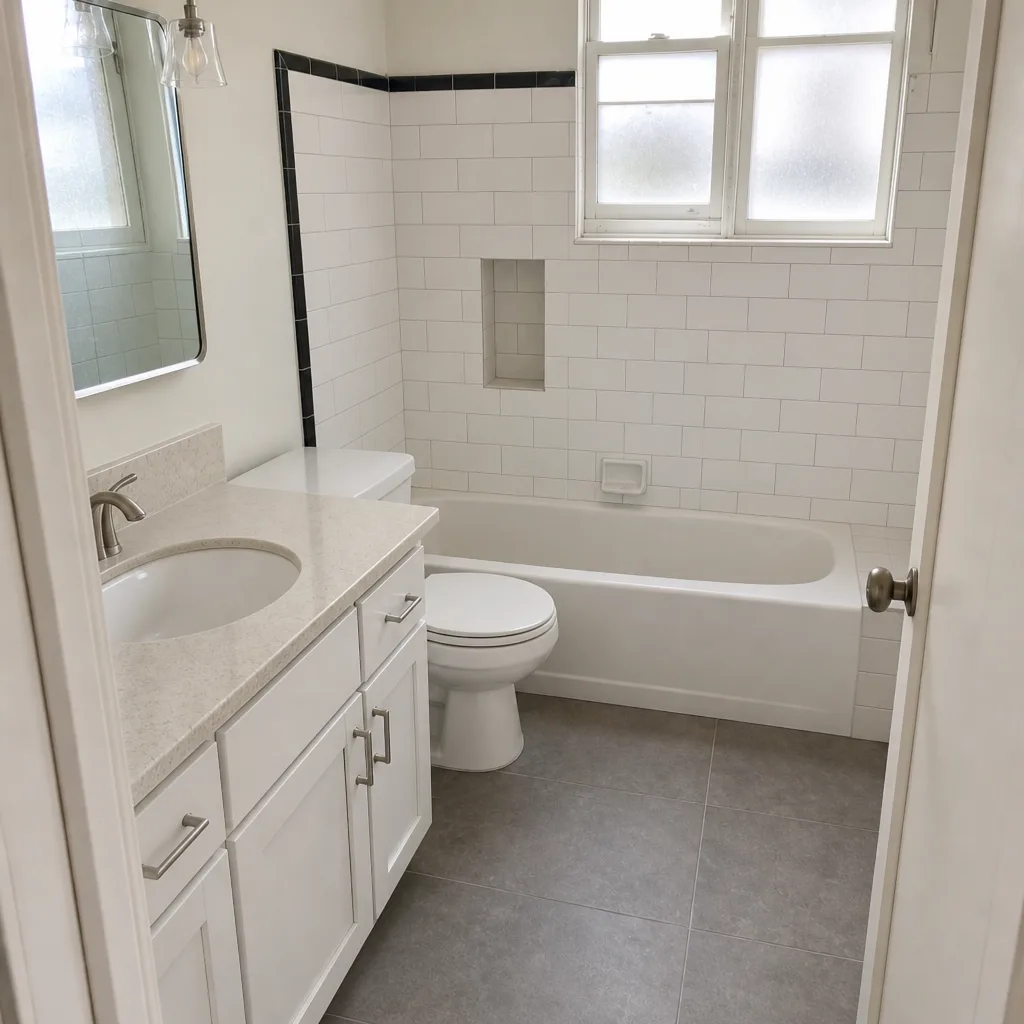 After
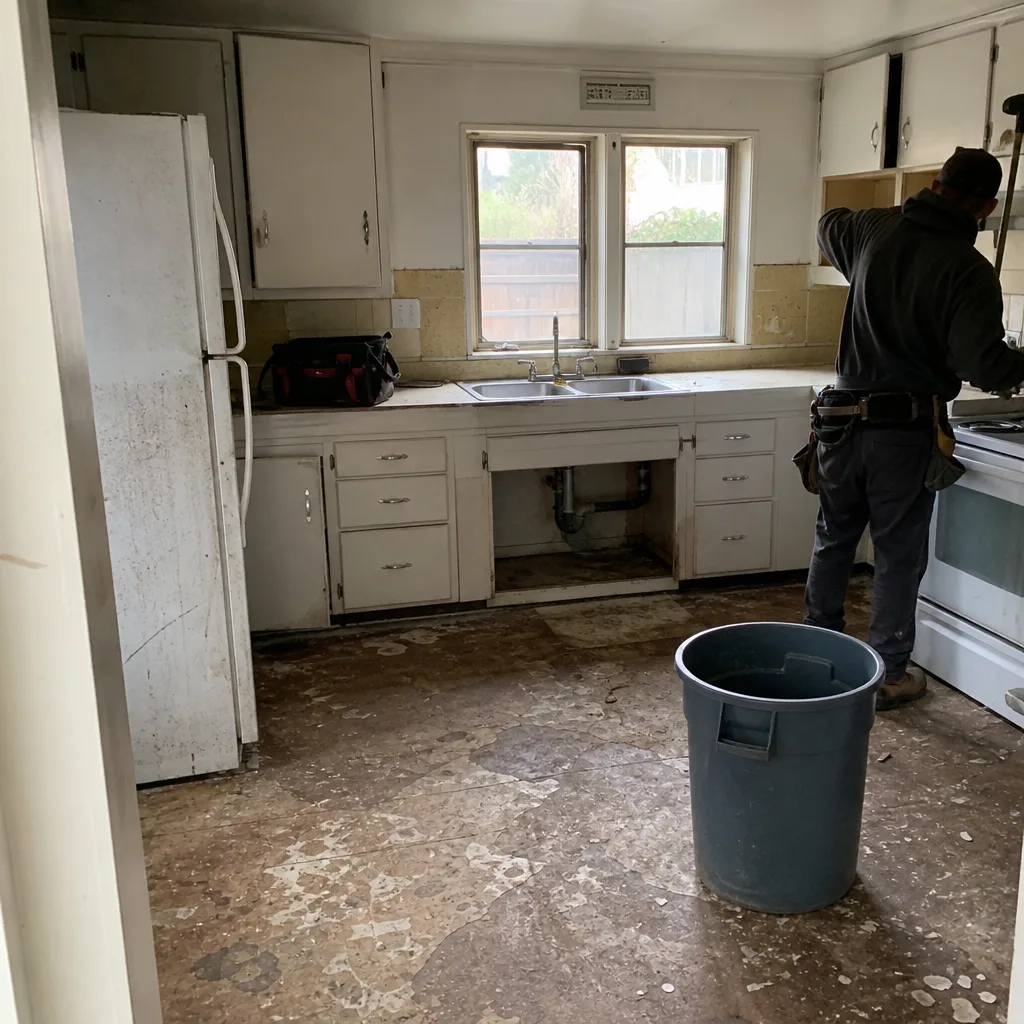 Before
 After
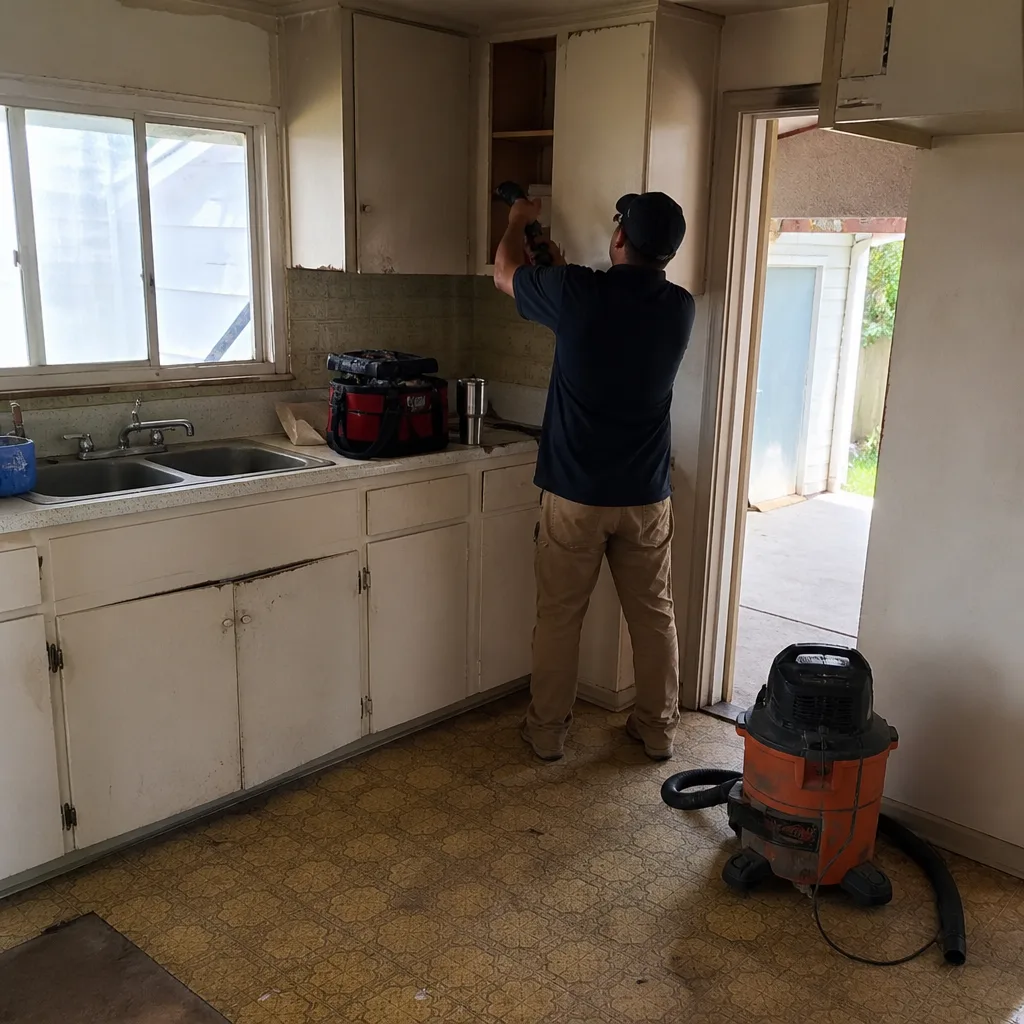 Before
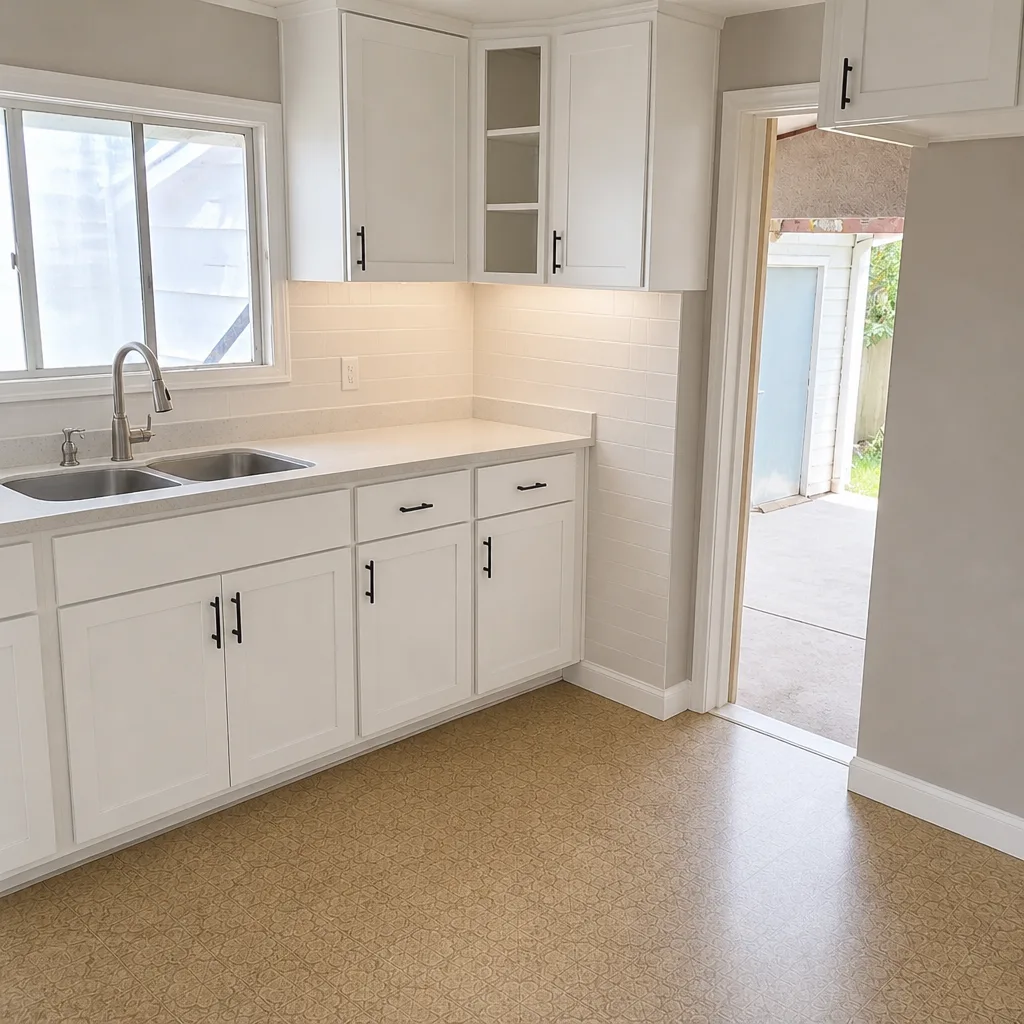 After
When to Call a Professional
Most paver maintenance is within reach of a homeowner with a broom, a hose, and a bit of patience. The cases where it’s worth calling a professional are the ones where misdiagnosis is costly. If you see pavers rocking or a dip that holds water, that’s a base question and the answer usually isn’t in a product on a shelf. If efflorescence keeps returning after cleaning, the water source needs to be traced from underneath, and that requires someone who knows what they’re looking at. If a driveway has developed cracks in a pattern across multiple pavers, or if the edge restraint has come loose, those are repair scenarios rather than maintenance. If you’re planning a larger exterior project – a full driveway replacement, additional hardscape, or anything that touches drainage across the property – it’s worth having the whole picture reviewed at once.
For all of those, it helps to have someone with you who has managed driveways on Richmond’s clay soil before. Our technicians have up to 11 years of experience and can walk through the whole property, not just the driveway, so any adjacent drainage, fencing, or site work gets factored in. Construction Richmond offers free estimates in Richmond, and the written estimate sets the final price. Call (877) 367-8617 to schedule yours. We answer 24/7. Fast dispatch from 7am to 7pm, Sunday through Friday.
Frequently Asked Questions
Most paver driveways in Richmond need re-sanding roughly every two to three years. Driveways with a low corner where water concentrates, or driveways directly exposed to runoff from a downspout, often need it more often. If joints look deep or sand washes out visibly after storms, re-sand regardless of timeline.
Not by itself. Efflorescence is a cosmetic mineral deposit that often appears after wet weather and cleans off with a dry brush. It becomes a serious concern only when it returns repeatedly in the same location, or when it shows up alongside settling, rocking pavers, or persistent water pooling. In that case, the efflorescence is a symptom of water moving through the base and a professional inspection is worthwhile.
Not reliably. Sealers need a dry surface and a dry cure window, and Richmond’s winter months don’t usually give you one. Attempting to seal in the wet season can trap moisture, cause the sealer to peel or haze, and make efflorescence worse. Late summer or early fall is the practical window, once the driveway has had a chance to dry out fully.
If the pavers are stable and clean and joints just need a top-up, you’re in re-sanding territory. If a paver rocks underfoot, if a dip has been growing over multiple wet seasons, if water pools in the same spot for hours after rain, or if joints keep washing out after multiple re-sandings, the base is involved and it’s time for a professional evaluation. Those are the signs we look for first on a Richmond driveway, because clay-soil settling follows predictable patterns.
The dry season – May through October – is the practical window for most maintenance work, because joints, sand, and sealers all need dry conditions to perform correctly. Late spring is the best time to do the full inspection and re-sand, and late summer or early fall is the best window for sealing. Wet-season work should be limited to observation, sweeping, and drainage fixes.
Not from freezing, because winters here rarely reach the temperatures that damage pavers in colder climates. The bigger concern in Richmond is wet-season water: sustained rain that works its way through joints, saturates the base, and moves the clay soil underneath. If your driveway is failing, it’s almost certainly moisture-driven rather than cold-driven, which changes what the fix looks like. Call (877) 367-8617 for an inspection if you’re unsure.
The Bottom Line
Driveway maintenance in Richmond comes down to water management, not cold protection. Inspect before the wet season, keep joint sand topped up, clean efflorescence before you consider sealing, and watch for the specific patterns – rocking pavers, persistent low spots, joints washing out repeatedly – that mean your base needs attention. Run the wet-season walk-through in November and the dry-season work in May, and most driveways will stay sound for years. Most of the smaller fixes are within reach for a homeowner. The base-related ones are worth a professional eye. Construction Richmond offers free estimates in Richmond, and our technicians have up to 11 years of experience on exterior hardscape work across the property, from the driveway to the roofline. Call (877) 367-8617 to schedule yours. We answer 24/7. Fast dispatch from 7am to 7pm, Sunday through Friday.
Written by the team at Construction Richmond.