
Last updated November 17, 2026
 Home additions & ADU
 Kitchen remodeling
 Bathroom remodeling
 Roofing
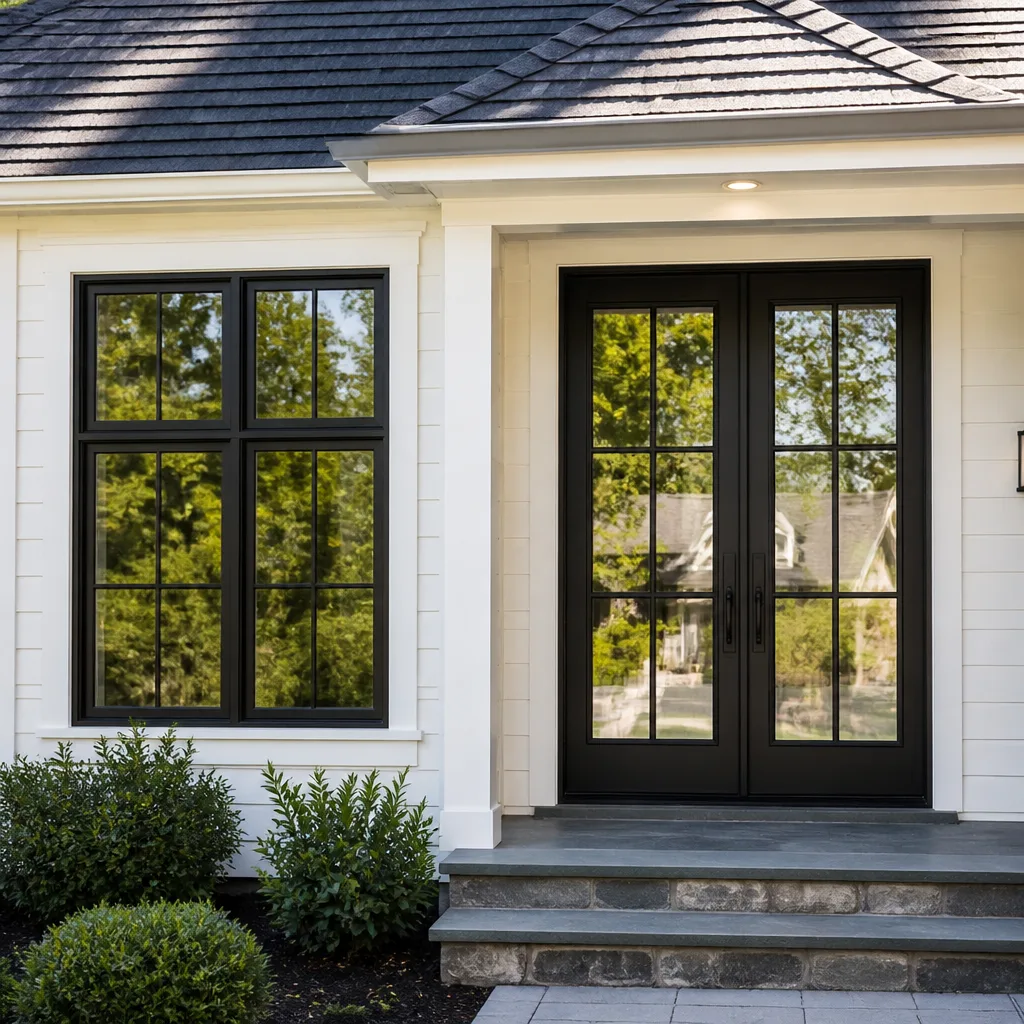 Windows & doors
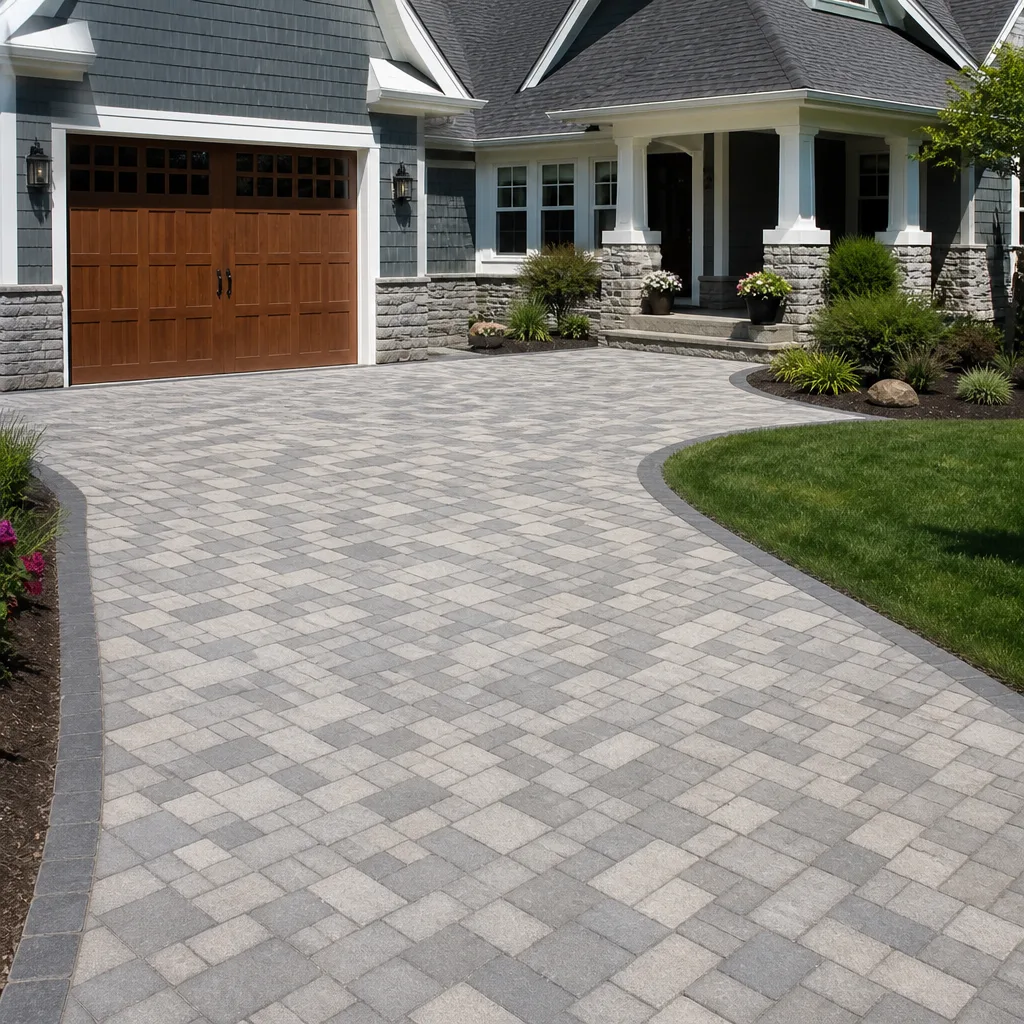 Driveway & pavers
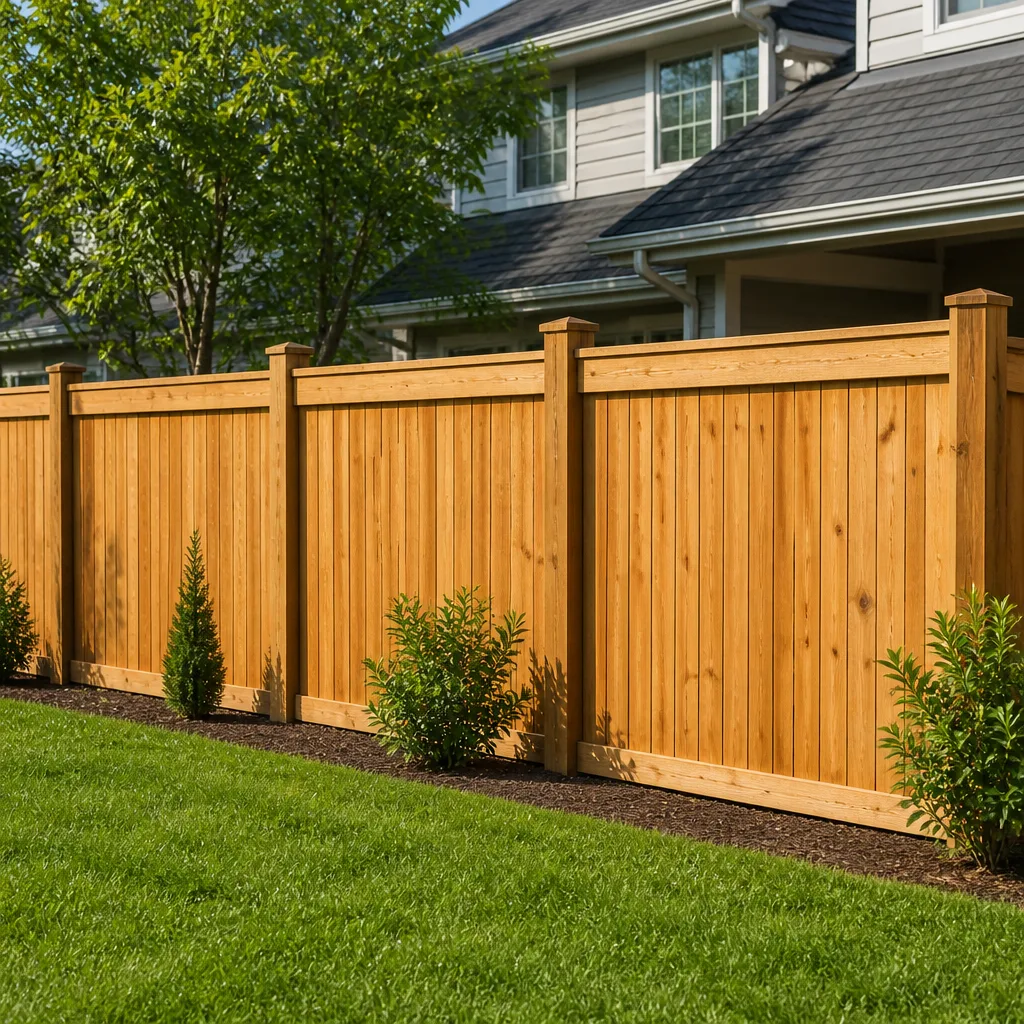 Fence
Free written scope consultation - allowances, timeline, and change-order rules on paper before a single trade is scheduled
Seasonal Construction Care for Richmond: Year-Round Homeowner’s Guide
Most Richmond homeowners believe mild weather is an advantage for their homes. In practice, it’s the reason so much damage here goes unnoticed until it’s expensive. Without a hard freeze to force attention, moisture intrudes slowly, caulk fails quietly, and drainage problems move water into places you never look. That’s especially true in Richmond’s older housing stock. This guide walks you through the five micro-seasons the Bay Area actually has, gives you a task calendar tied to them, and explains which inspections to schedule every year whether you see a problem or not.
Quick Answer
Seasonal construction care in Richmond works on a five-season calendar, not four. The dry window from June through September is when exterior painting, deck sealing, and concrete crack repair actually cure properly. The wet months are for moisture management, gutter cleaning, and drainage checks. Two inspections each year catch the quiet problems our mild climate never forces you to notice.
Styles & brands we work with
- Kitchen remodeling
- Bathroom remodeling
- Home additions & ADU
- Roofing
- Windows & doors
- Driveway & pavers
- Fence
Table of Contents
- Richmond’s Five Micro-Seasons Explained
- Your Year-Round Task Calendar
- Fall Prep: Gutters, Roof Penetrations & Drainage
- The Dry-Season Window (June – September)
- How the Summer Marine Layer Affects Curing
- The Three Inspections Every Richmond Home Needs
- Common Mistakes to Avoid
- When to Call a Professional
- Frequently Asked Questions
Richmond’s Five Micro-Seasons Explained
Every generic maintenance guide splits the year into spring, summer, fall, and winter. That structure was designed for climates with a defined freeze and a defined thaw. Richmond doesn’t have either. What it has is five distinct weather windows that each open and close at slightly different times depending on where in the city you live. The hills above Richmond get more sun and warmer afternoons than the flats near the shoreline, and that half-hour to an hour of difference matters when you’re scheduling anything that depends on dry weather.
Here’s how the year actually breaks down:
- Late winter wet season (January – March): Rain is consistent and the ground stays saturated. This is inspection season, not repair season. You’re looking for water where it shouldn’t be.
- Spring shift (April – May): Rain becomes intermittent. Warm afternoons start to dry things out. Small repairs are possible but the weather is unpredictable enough that exterior work can get pushed back multiple times.
- The dry window (June – September): This is when the marine layer sits low in the mornings and the afternoons are clear. It’s the only reliable stretch for exterior paints, sealers, and concrete work.
- Fall transition (October – November): Days get shorter, dew stays on surfaces longer, and the first sustained rain is usually a few weeks out. This is your last window for exterior prep before the wet season.
- The dark pause (December): Short daylight and frequent rain. Plan interior projects and budget conversations.
Why does this matter for construction care? Because every contractor and material has an ideal window, and in Richmond that window is narrower than most homeowners assume. Exterior paint needs 24 to 48 hours of accurate cure before it becomes rain-resistant. If you paint in May and it rains three days later, you’re repainting. If you paint in July, you’re not. Construction Richmond schedules exterior work around these windows because the material behavior dictates the timeline, not the calendar page.
Your Year-Round Task Calendar
Here’s a practical calendar that ties the five micro-seasons to actual tasks. This isn’t a list of everything you could ever do. It’s the minimum that keeps Richmond homes ahead of the slow damage this climate creates.
January through March
- Walk the perimeter of your house during or immediately after rain. Look for standing water along the foundation, staining on siding, or water pooling under downspouts.
- Check interior ceilings and walls on the ground floor, especially in corners and near chimneys. A yellowish stain means a roof detail is leaking.
- Inspect attic sheathing for moisture staining or soft spots. This is the highest-value inspection you can do in the wet season.
- Test all exterior lighting, GFCI outlets, and outdoor faucets. These are small but they fail quietly.
April through May
- Clean gutters and downspouts before the last rains. If water backs up, it finds the path of least resistance, which is usually into your fascia.
- Walk your roof from the ground with binoculars. Look for missing shingles, lifted flashing around vents, or gravel in gutters.
- Check caulk around windows and doors. Press on it. If it feels soft or pulls away, it needs to be replaced before summer.
- Test the drainage around your driveway and patio. Does water run toward the house or away?
June through September
- Exterior painting, caulking, and sealing. This is your only dependable window.
- Deck or fence sealing. If your fence was installed recently, the wood may need a season to dry before sealing; check with your contractor.
- Concrete crack repair on driveways and patios. Sealer needs dry, warm conditions.
- Roof inspection and repairs. You want to catch and fix problems while the roof is dry, not when it’s failing.
October through November
- Clear gutters again. The leaf drop is complete by the end of November in most Richmond neighborhoods.
- Check downspouts for proper flow direction. They should discharge at least several feet from the foundation.
- Inspect the roof and chimney flashing. This is your last chance before the wet season begins.
- Look at window and door seals. If you’re replacing windows, schedule the install for the dry window rather than waiting until rain is imminent.
December
- Review interior projects: bathroom remodel, kitchen remodel, home additions. Winter is a great time to plan, price, and schedule these for spring.
- Take photos of any exterior issues you noticed this year. Compare against next year’s photos to see what’s progressing.
Fall Prep: Gutters, Roof Penetrations and Drainage
Fall in Richmond is short. You have roughly six weeks between the end of the dry season and the first sustained rain, and if you don’t use that window, the wet season does what it does: finds every weak point in your exterior envelope. Fall prep isn’t about getting ready for cold. It’s about getting ready for water, and the three areas that matter most are gutters, roof penetrations, and flatwork drainage.
1. Gutter systems
Gutters on Richmond homes fill with leaves, shingle grit, and debris throughout the dry months. When the first real rain hits, gutters that haven’t been cleared overflow at the seams, run down fascia boards, and deposit water directly against the foundation. Check them in October and again in late November after leaf drop is complete. If you have large trees nearby, check more often.
While you’re up there, check downspout discharge. Water should flow a few feet away from the house, not sit against it. If you’re seeing soil erosion where the downspout lands, the discharge needs to be redirected. A short buried line or splash block handles most cases, and it prevents a small problem from becoming a foundation problem.
2. Roof penetrations
The roof surface itself usually fails predictably. Penetrations are where the surprises happen. Vents, chimneys, skylights, and satellite mounts all create a joint where water can find its way under the surface. Every fall, look at the flashing around each one. Check that it’s still tight, sealed, and free of cracks or lifting edges.
If your roof is nearing replacement, fall is also the time to think about material choices. Roofing material options span GAF, CertainTeed, Owens Corning, IKO, Atlas, Tamko, and Boral, and each comes with different warranties and product tiers. Choosing the right tier depends on the roof pitch, the exposure, and how long you plan to stay. We help homeowners think through those choices instead of defaulting to whatever is on the truck. If you’re also planning a Construction Richmond project that touches the roofline, coordinating the two jobs saves both time and repairs.
3. Flatwork drainage
Driveways, patios, and walkways need to shed water away from the house. In Richmond, the flat, landscaped lots and mature trees often complicate that. Fall is the time to check on it. Look for cracks that hold water, low spots near the house, and paved surfaces that slope back toward the structure. If you’re seeing standing water long after rain, drainage is not doing its job. Fixing it means excavating and re-grading, which is significant work, but catching it early is far cheaper than repairing the foundation or siding it damages.
If your flatwork is beyond repair, fall is a good time to plan a replacement. driveway & pavers can be installed in the dry window, and a properly sloped driveway is a drainage solution, not just an aesthetic upgrade.
The Dry-Season Window (June – September)
Here’s the important thing about Richmond’s summer: from June through September, you get the long sequence of dry, warm days that exterior work depends on, and almost every homeowner underestimates how critical that is. During these four months, you have a reliable window for:
- Exterior painting and priming
- Deck and fence staining or sealing
- Concrete crack sealing and paver re-sanding
- Roof work including replacement
- Window and door installation
Why exterior painting waits for June
Exterior paint on siding, trim, and doors cures through a chemical process that needs consistent warmth and no rain contact. In Richmond’s spring and fall, the forecast is unreliable enough that a painting contractor can’t guarantee the cure window. Painting in June, July, or August means the paint has 30 to 60 days of dependable weather to fully cure before the rain returns. Painting in October means the paint cures through cool, damp conditions and often fails within a year or two. It’s not that paint can’t be applied in October. It’s that it can’t be trusted to last.
Deck and fence sealing
Wood needs to be dry before it’s sealed. Sealing damp wood traps moisture and accelerates rot. The dry window lets the wood dry out completely between cleaning and sealing. If you’re installing a new fence, this is the ideal season for the install and the seal. If you need a new fence, fence installation done in the dry months gets you the longest life from the materials.
Concrete and pavers
Concrete curing and paver base stabilization both depend on dry conditions. Small cracks in a driveway or patio should be filled and sealed in the dry window; that’s when the filler cures correctly and stays flexible. Larger issues, like a driveway that has heaved or is entirely failing, need more than a patch. Schedule an assessment and get the timeline started.
One word of caution: whenever an exterior job involves a roof, steep height, or electrical work, the safest approach is always to use a trained professional. Even simple repairs at height can go badly wrong, and the money you save attempting it yourself is rarely worth the risk.
How the Summer Marine Layer Affects Curing Times
If you’ve lived in Richmond for any length of time, you know the pattern. Summer mornings are foggy and cool. By noon or one o’clock the fog burns off, and the afternoon is warm and clear. It’s a pleasant rhythm, and it’s also a construction schedule problem.
Almost every exterior finish has a temperature range where it cures correctly. Too cool and it doesn’t set. Too hot and it flashes off too fast, which creates bubbles and uneven finish. Richmond’s marine layer pushes the usable window on any given summer day back several hours. On a foggy morning, you may not be able to start exterior paint until 10 or 11. Which means a job that would finish in one day in the Central Valley takes two in Richmond, unless the crew plans for it.
What that means for you as a homeowner:
- Scheduling: Ask your contractor how they plan around the marine layer. Good contractors know their local weather and schedule accordingly.
- Timeline expectations: Exterior painting in Richmond may take longer than the same project elsewhere. That’s not a delay, it’s correct sequencing.
- Finish quality: A contractor who tries to push through the fog will leave you with surfaces that look fine initially and peel within a couple of years.
- Material choices: Some exterior materials handle cool mornings better than others. James Hardie siding, for example, is managed differently than wood or stucco. The right material can expand your working window.
In our experience, the marine layer is the single biggest factor in whether a Richmond exterior finish lasts a decade or five years. It’s worth asking about directly. If your contractor doesn’t have an answer for you about how they deal with the fog, that’s an answer in itself. The best exterior work in Richmond is scheduled around the weather, not against it.
For bigger projects like additions or ADUs, the marine layer matters too, because the construction timeline has to accommodate site work, framing, and finish phases that each depend on dry conditions. home additions & ADU projects that get planned in winter are usually built in the dry window, which is why they run smoother than projects that start in October. And prefab options from makers like Dvele, Mighty Buildings, and Boxabl can compress the timeline further, because the bulk of the work happens in a factory and the on-site phase is shorter. Cover and other prefab manufacturers use similar logic. Matching the build method to the season is often the fastest way to cut months off a project.
The Three Inspections Every Richmond Home Needs
Some maintenance should happen every year, regardless of what you see. These three inspections are the ones that catch the expensive problems before they become expensive. Schedule them and you’ll be far ahead of the average homeowner.
1. Roof and attic inspection (once per year, ideally in fall)
A roofer walks the roof and checks the surface, flashing, and penetrations. An interior look at the attic sheathing catches moisture that never shows up inside the living space. The sequence matters: exterior and interior together, so you’re comparing what’s visible from outside against what’s happening underneath. Missing shingles, dark streaks, lifted flashing, or soft sheathing are the things you’re looking for. Hail is uncommon in Richmond, so most roof damage here comes from age, wind, and deferred repairs, not from impact. That means a solid annual inspection is more useful than a post-storm check.
2. Drainage and exterior envelope inspection (once per year, in late fall or early winter)
This is the big one for Richmond specifically, because water damage here is slow and invisible. A good inspection covers gutters, downspouts, foundation drainage, grading around the house, roof-to-wall transitions, caulk and seals on every exterior opening, and any flatwork that slopes toward the structure. Bring a notebook. Photograph anything concerning. The point isn’t to fix everything you see; it’s to establish a baseline and track changes.
3. Window and door performance inspection (once per year, in spring)
Windows and doors are the biggest source of energy loss in most homes and the most common source of water intrusion in Richmond’s wet months. Check that they open and close smoothly, that the weatherstripping is intact, that the frames are sound, and that no water stains appeared over the wet season. If you’re noticing drafts, condensation inside the glass, or difficulty opening and closing, the window may need replacement. Impact-resistant window lines like PGT and CGI are worth looking at if you want to upgrade rather than simply replace. A proper window and door inspection every spring makes the replacement decision a choice, not an emergency.
Common Mistakes to Avoid
- Treating mild weather as maintenance-free weather. Richmond’s climate doesn’t force you to notice problems the way a hard freeze does. The lack of pressure is exactly why small issues compound here faster than in colder climates. Schedule the work even when nothing seems wrong.
- Painting or sealing in spring or fall. The weather in April, May, October, and November is unpredictable enough that exterior finishes often fail within a year. Wait for the dry window. It’s not a delay; it’s the difference between a deck that lasts five years and one that lasts fifteen.
- Skipping the attic inspection. Attic sheathing stains and soft spots are the clearest indicator of roof failure, and they’re invisible from the living space. Once a leak is visible on your ceiling, you’re already several thousand dollars into repairs.
- Cleaning gutters once a year at the wrong time. Richmond’s leaf drop runs into late November. Cleaning in September just means cleaning again in December. Time the second cleaning after the trees are bare.
- Assuming the marine layer doesn’t matter. Contractors who don’t adjust their schedule for the morning fog produce finishes that fail early. The finish looks fine for a year, then it peels. Ask about it.
- Ignoring drainage because the driveway “looks fine.” Standing water isn’t always visible. Water that sits under a slab or against a foundation can cause damage for years before it shows. If the ground doesn’t shed water quickly after a storm, get it looked at.
- Waiting to replace failing windows because they still open. A window that opens but lets water and cold air in is failing. The longer you wait, the more energy you waste and the more likely you are to have moisture damage around the frames.
When to Call a Professional
Some tasks on this list you can handle yourself: cleaning gutters, checking caulk, walking the perimeter after rain. Other tasks should be handled by someone with the right tools, insurance, and experience. Consider calling a professional when any of the following is true:
- Your roof is more than 15 years old and you haven’t had it inspected in the last two years.
- You’re seeing water stains on a ceiling, wall, or attic sheathing anywhere in the house.
- Your driveway or patio is holding water, or you’ve noticed slippage or heaving.
- Window frames are soft, damaged, or showing signs of moisture.
- Your fencing has damage from wind or is starting to lean or fail.
- You’re planning a project that involves multiple trades or phases.
Many homeowners here take on one trade at a time and end up coordinating three contractors with three different schedules. If you’re planning anything that touches more than one part of the house, a single contractor who handles the whole job saves you real time and often real money. Construction Richmond offers free estimates in Richmond – call (877) 367-8617. We answer 24/7. Fast dispatch from 7am to 7pm, Sunday through Friday.
Frequently Asked Questions
The dry window from June through September is the best time. That’s when paint has the consistent warmth and dry weather it needs to cure properly. Painting in spring or fall often results in premature failure. Call (877) 367-8617 for an exact quote – estimates are free.
At least twice a year: once in late spring or early summer, and once in late November after leaf drop is finished. Homes with large trees nearby may need more frequent cleaning. If gutters overflow during the first rain, they weren’t cleaned thoroughly enough. Call (877) 367-8617 to discuss gutter and drainage issues.
The summer marine layer keeps mornings cool and foggy, which delays exterior finish curing. Paint, sealers, and concrete need a minimum temperature to cure correctly, and fog pushes that window back several hours. Contractors who plan around the marine layer produce better results than those who ignore it.
Yes. Even though hail is uncommon here, wind, age, and slow moisture intrusion cause the majority of roof damage. An annual inspection catches problems while they’re still minor. If your roof is under 10 years old and has no visible issues, an every-other-year inspection may be sufficient. Call (877) 367-8617 to schedule an estimate.
Seal in the dry window from June through September. The wood needs to be dry before sealing, and the sealer needs dry, warm conditions to cure. If you’re sealing in fall, the sealer may not cure fully before the rains begin, which leaves you sealing again next year.
Visible signs include condensation between the panes, difficulty opening or closing, drafts near the frame, and water staining inside the frame. If your windows have any of these, they’re failing. Consider impact-resistant window lines like PGT or CGI if you want to upgrade rather than simply replace. Call (877) 367-8617 – estimates are free.
The Bottom Line
Richmond’s mild climate is not a reason to skip seasonal maintenance. It’s the reason seasonal maintenance matters more. The lack of weather pressure means problems don’t get called out the way they do in colder climates, so they pile up quietly for years. Use the five micro-seasons, stay on the dry window for exterior work, do the three annual inspections every year, and ask your contractor how they plan around the marine layer. Do these four things and you’ll catch most of the expensive problems before they happen.
If you’d like help with any of it, whether it’s a small repair or a full Construction Richmond-handled project from the driveway to the roofline, we’re glad to talk. Construction Richmond covers driveway & pavers, fence installation, home additions & ADU, bathroom and kitchen remodeling, windows and doors, and roofing. Seven service lines, more than 50 recognized brands, one contractor, every project phase. We answer 24/7. Fast dispatch from 7am to 7pm, Sunday through Friday. Call (877) 367-8617 to schedule your free estimate.
Written by the team at Construction Richmond.
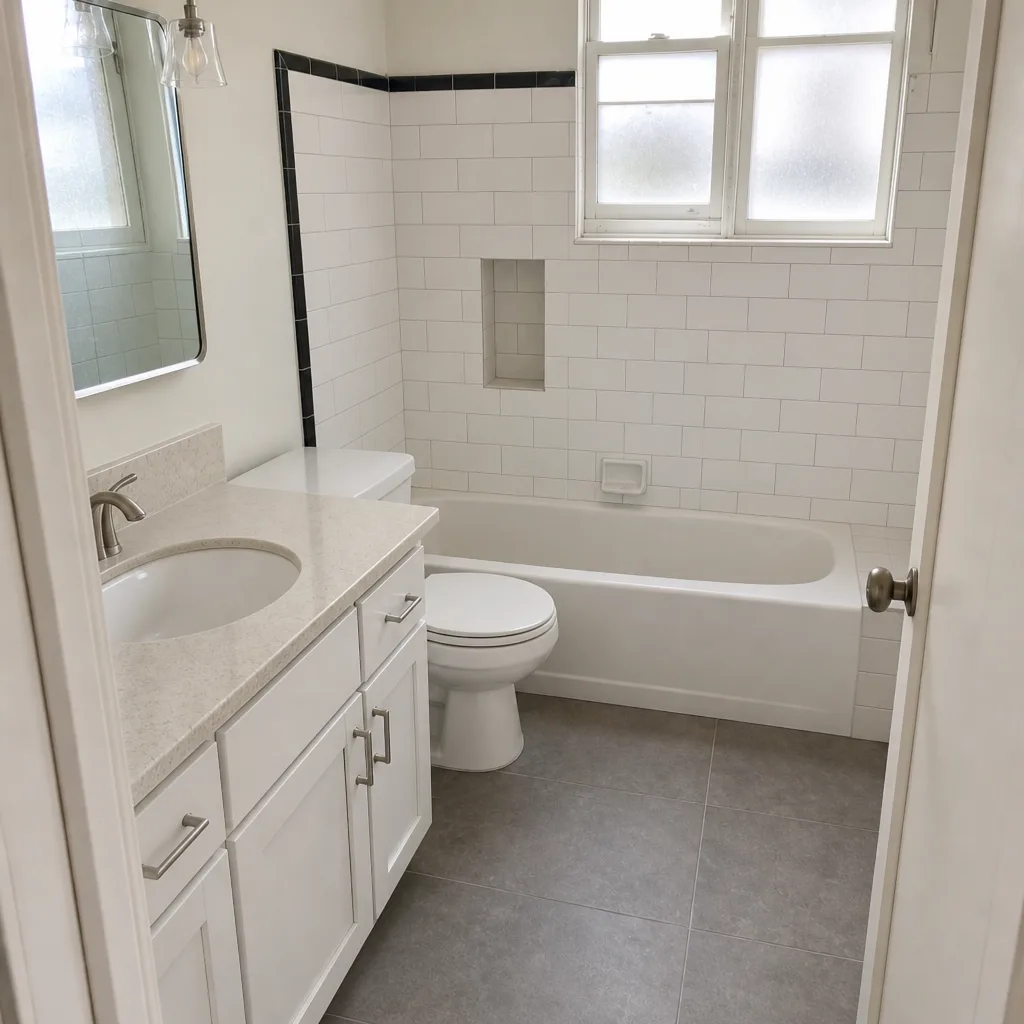
See the difference
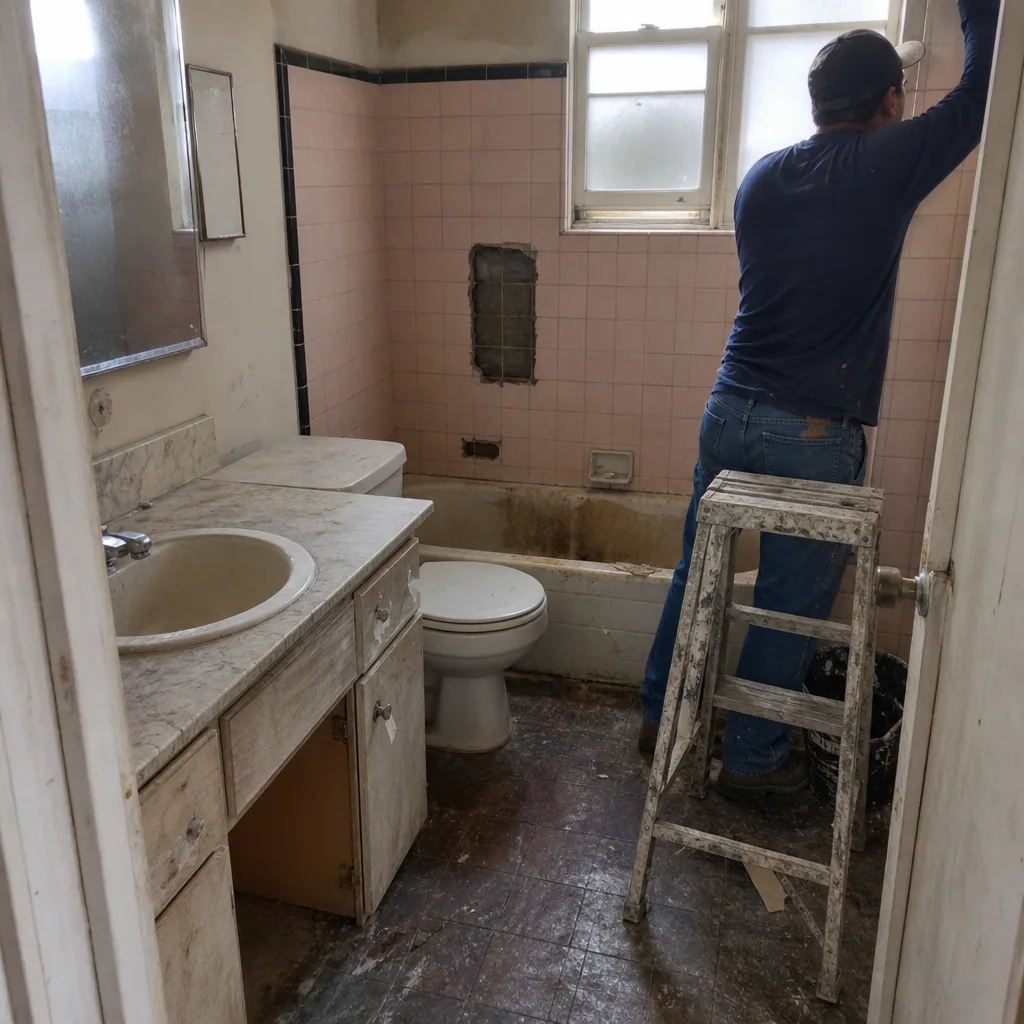 Before
 After
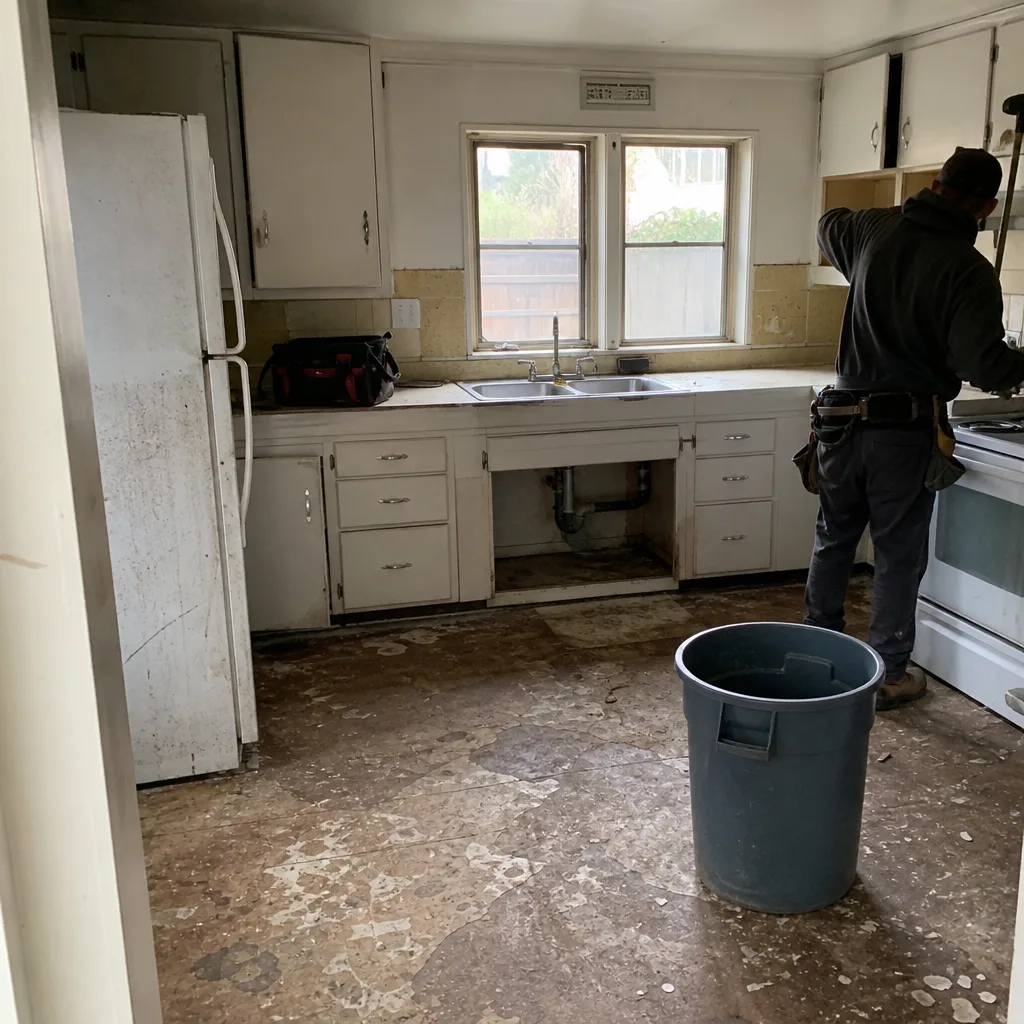 Before
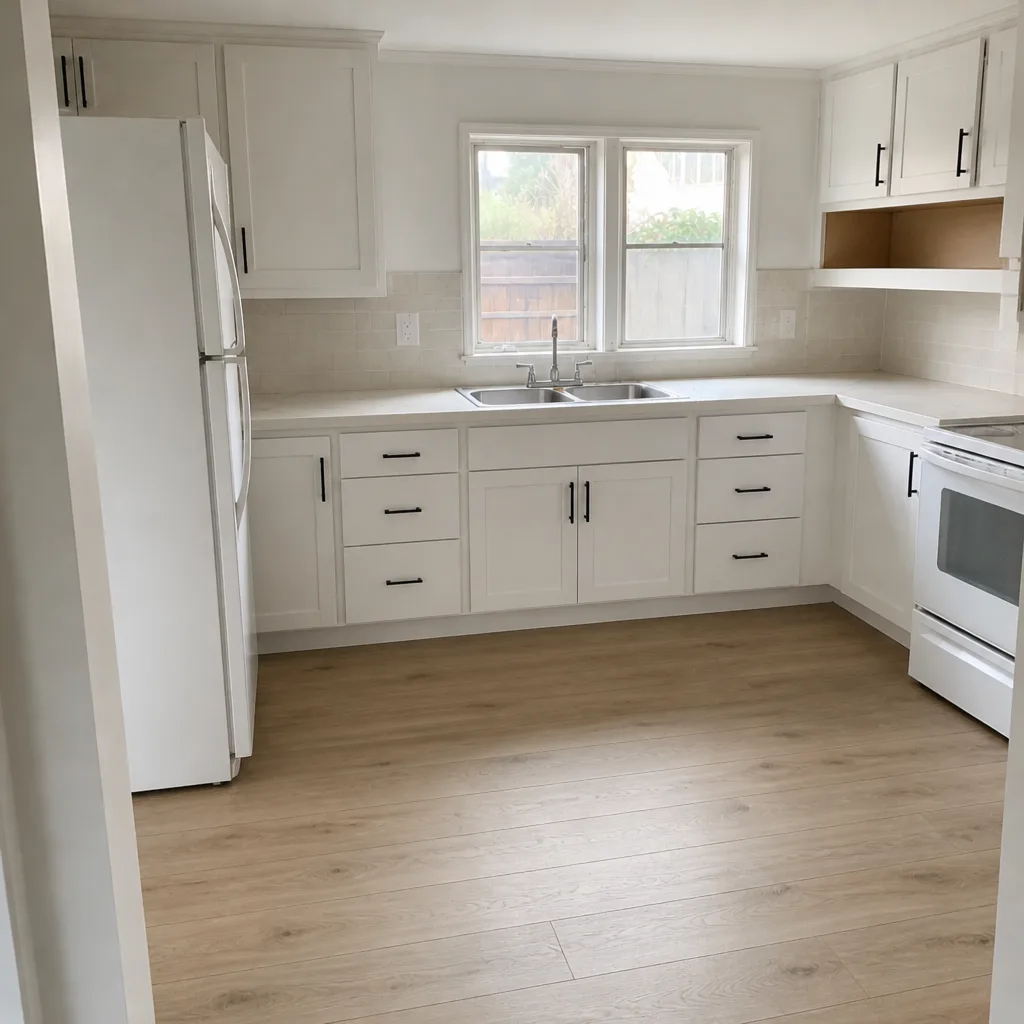 After
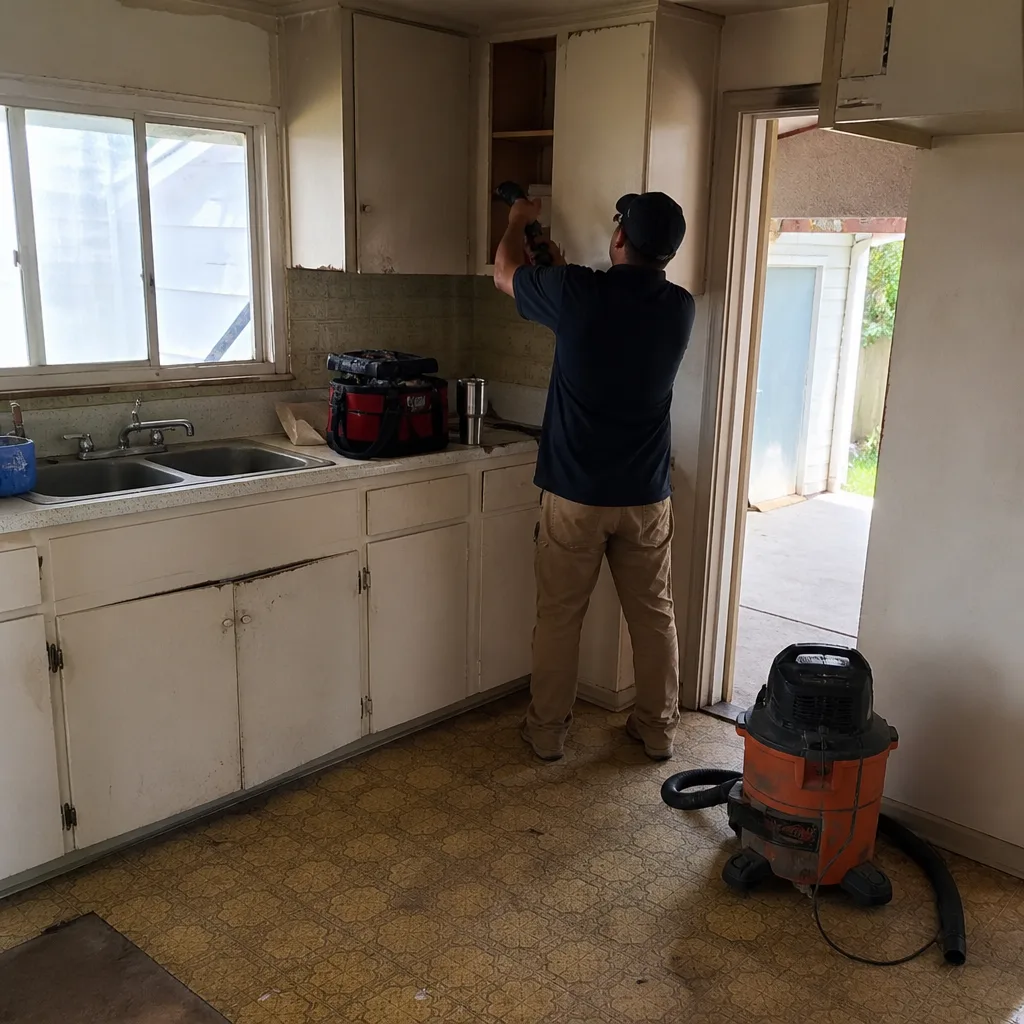 Before
 After